Also known as Red Pimpernel, Poor Man's Weather-Glass, Shepherd's Clock, Red Chickweed
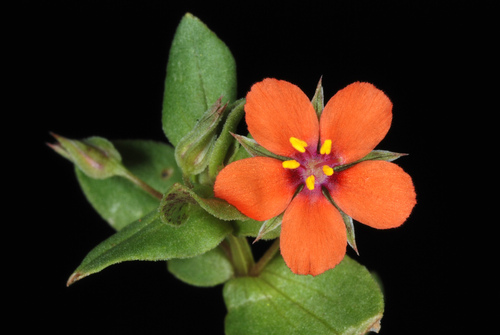
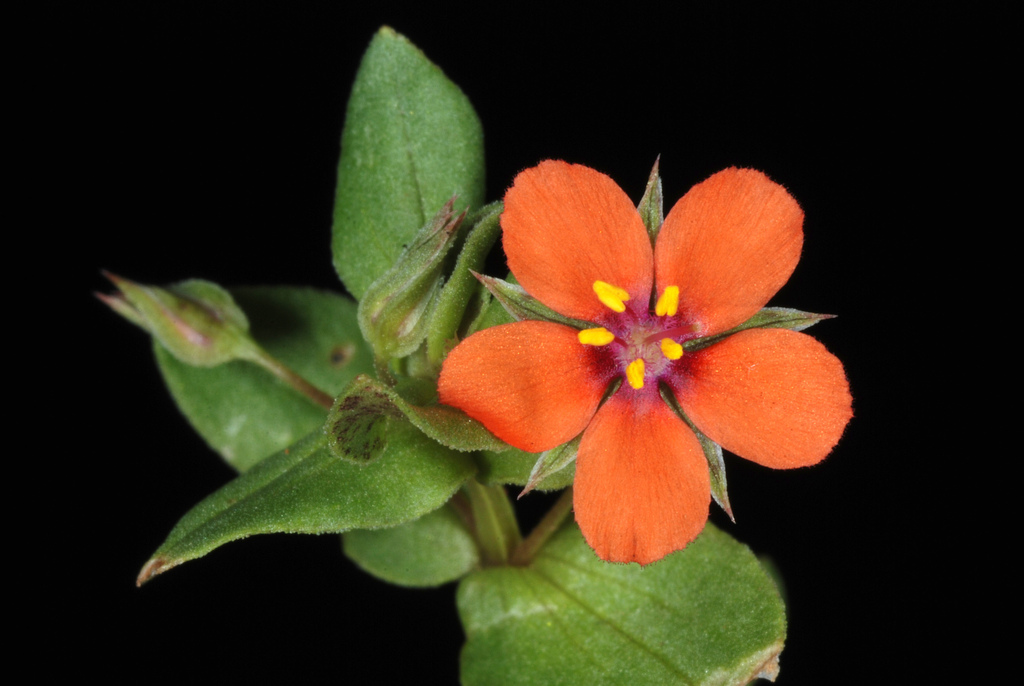
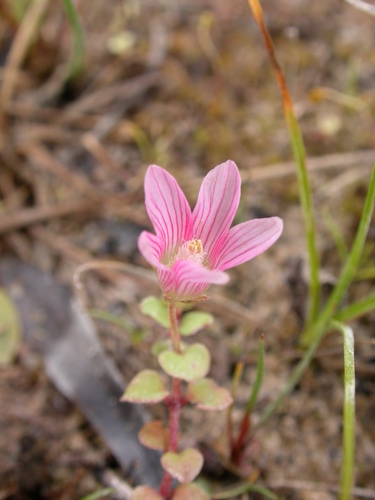
Scarlet pimpernel earns its nickname 'poor man's weather-glass' by opening its star-shaped blooms only in bright sunshine and closing them tightly before rain or overcast skies arrive. Its square, sprawling stems carry opposite oval leaves dotted with tiny dark glands underneath, topped by vivid scarlet, orange-red, or electric-blue flowers. Native to Europe, Western Asia, and North Africa, this resilient annual now carpets disturbed soils, gardens, and roadsides across nearly every continent.
ThreatsFew natural threats; widely controlled as an agricultural weed
HabitatsDisturbed ground, arable fields, gardens, roadsides, and coastal dunes
Life spanAnnual (completes its life cycle within a single growing season)
Classification
OrderEricales
FamilyPrimulaceae
GenusLysimachia
SpeciesLysimachia arvensis
Range & activity
Range data is not available yet.
Safe observation
Interaction riskHigh
Low
Moderate
High
Very high
Why interaction risk is high
Contains toxic saponins that cause stomach upset in people and pets if eaten; observe without ingesting.
Why it is dangerous
All parts of the plant contain triterpenoid saponins, which irritate the digestive tract and cause vomiting, diarrhea, and abdominal pain if eaten by people, pets, or grazing livestock. Large quantities can lead to kidney irritation and neurological symptoms.
How to recognize a risky encounter
Look for a low, sprawling herb with square stems, stalkless opposite oval leaves speckled with dark spots underneath, and five-petaled flowers in scarlet-orange or bright blue.
What to do
Never ingest any part of the plant, keep curious pets and livestock away from dense patches, and wash your hands after weeding it from gardens.
Responsible observation
Timing: Look for open blooms between mid-morning and early afternoon on clear, sunny days.
Identification: Flip a leaf over to check for tiny dark speckles and feel for the square stem.
Safety: Admire the flowers in place and avoid eating the plant, as it contains toxic saponins.