
Plant · GBIF taxon 8170635
Japanese Spirea
Spiraea japonicaAlso known as Japanese Meadowsweet, Japanese Spiraea
Japanese spirea produces dense, flat-topped clusters of rosy-pink flowers that bloom from late spring through midsummer. This hardy deciduous shrub attracts numerous pollinators, including bees and butterflies, while maintaining a compact, mounded form. Highly adaptable and vigorous, it spreads readily by wind-dispersed seeds and root suckers, frequently escaping gardens to establish dense thickets along stream banks and forest edges.
Deciduous ShrubPink FlowersPollinator Host
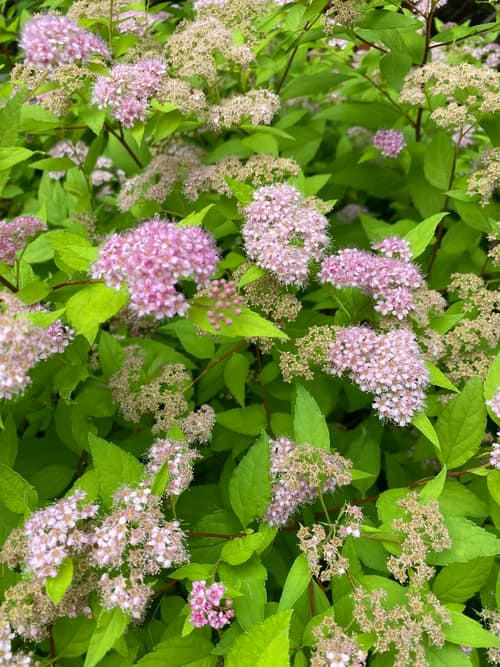
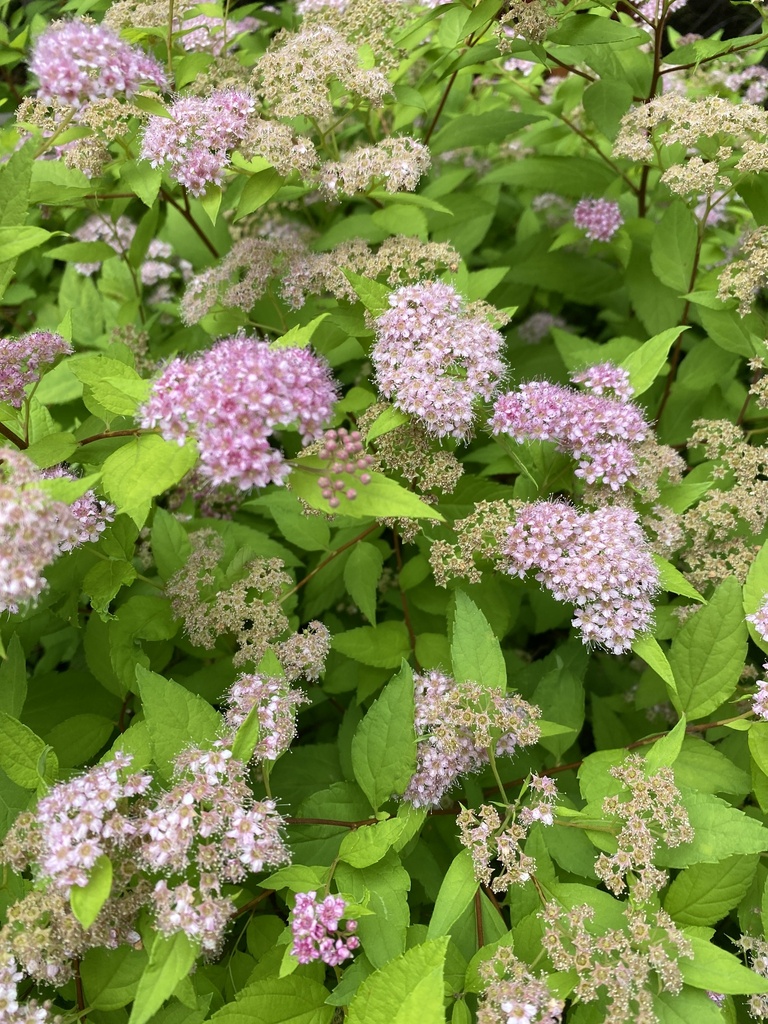
—observations
—countries
—peak records
Not EvaluatedConservation statusIUCN Red List categoriesLCNTVUENCREWEXNot Evaluated — not placed on the risk ladderRed List categories, explained →
Diet & prey
- Sunlight
- Water
- Soil Minerals
Predators
- White-tailed Deer
- Aphids
- Spider Mites
ThreatsDisplacement by invasive species in native habitat; controlled as a weed elsewhere
HabitatsRiparian zones, forest edges, meadows, disturbed grounds, gardens
Life span15–30 years
Size / weightNot available
Classification
- OrderRosales
- FamilyRosaceae
- GenusSpiraea
- SpeciesSpiraea japonica
Range data is not available yet.
Interaction riskLow
- Low
- Moderate
- High
- Very high
- Why interaction risk is low
- Safe to observe at a normal distance.
Responsible observation
- Sunlight Needs: Plant in full sun to partial shade for the richest floral display.
- Pruning Routine: Trim stems back in late winter or early spring before new growth begins.
- Garden Management: Deadhead spent flower heads to prevent seed spread into native habitats.
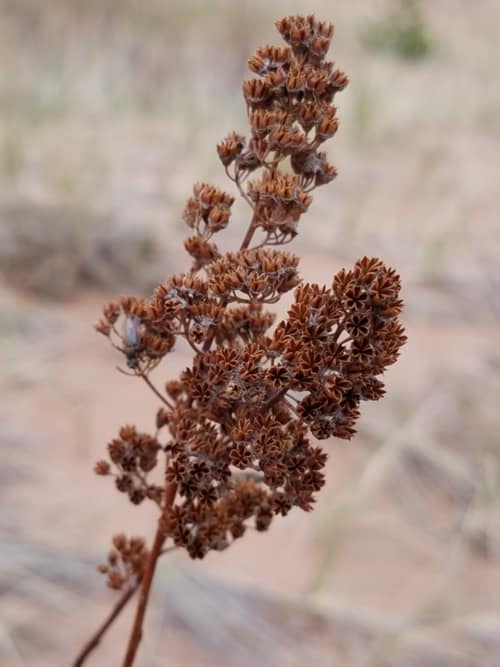
Close Relative (c) Sarah Johnson, some rights reserved (CC BY), uploaded by Sarah Johnson · cc-by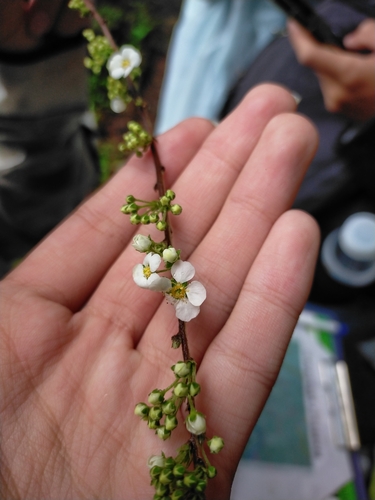
Close Relative (c) Yu-Chang Chen, some rights reserved (CC BY) · cc-by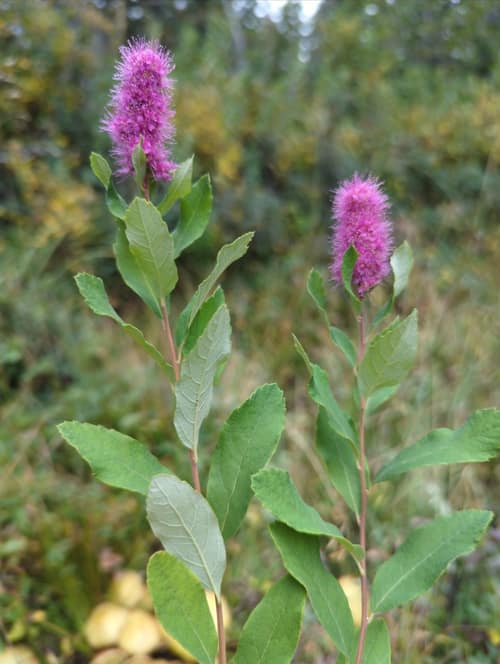
Close Relative (c) Alan Rockefeller, some rights reserved (CC BY), uploaded by Alan Rockefeller · cc-by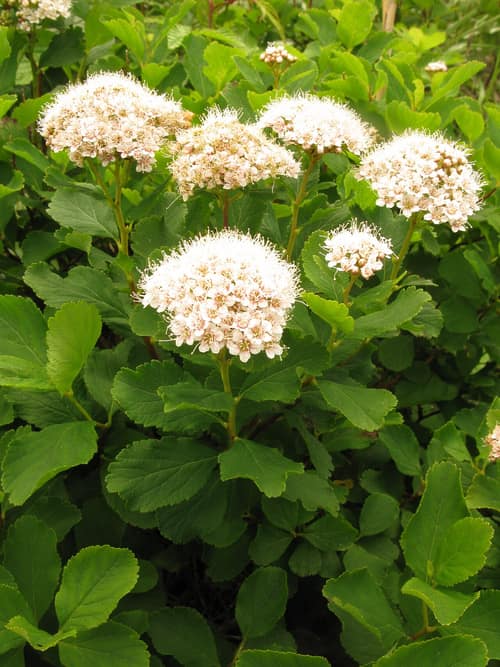
Close Relative Qwert1234 / Public domain · cc0
Help improve the field guideSomething wrong?
Checking your Fauna account…Report a name, category, or profile issue for review.