
Fungus · GBIF taxon 8168755
Wood Ear Fungus
Auricularia heimuerAlso known as Heimuer, Black Wood Ear, Asian Wood Ear, Cloud Ear
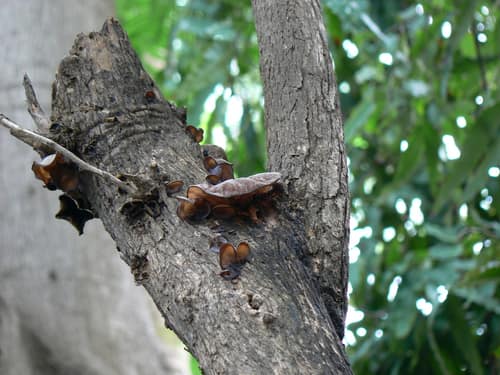
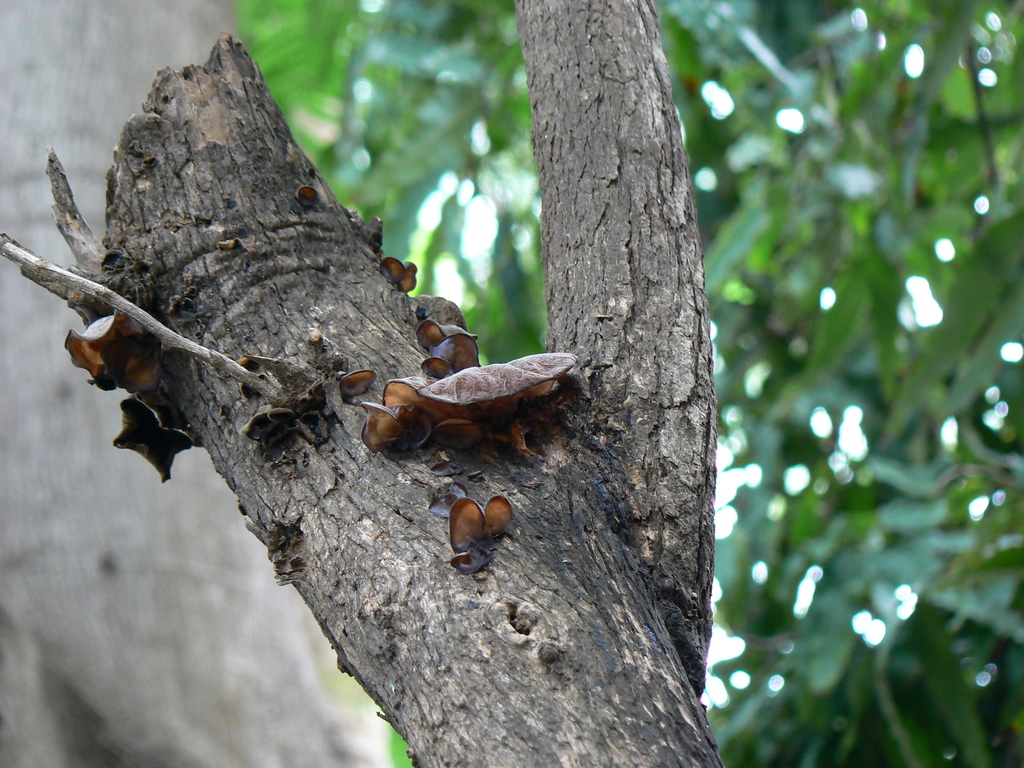
Wood ear fungi form dark brown, cup-like to ear-shaped gelatinous fruit bodies that grow in dense clusters on decaying broadleaf wood. During dry spells, these rubbery fungal structures shrivel into thin, brittle dark discs, only to rehydrate and expand back to their original texture following rain. As essential saprotrophs in East Asian forests, they decompose hardwood fallen branches and trunks, recycling vital nutrients into the woodland soil.
Jelly FungusSaprotrophicForest
—observations
—countries
—peak records
Not EvaluatedConservation statusIUCN Red List categoriesLCNTVUENCREWEXNot Evaluated — not placed on the risk ladderRed List categories, explained →
Diet & prey
- Dead Hardwood
- Lignin
- Cellulose
Predators
- Fungus Beetles
- Slugs
- Rodents
ThreatsDeforestation and extreme prolonged drought
HabitatsTemperate and subtropical broadleaf forests, mixed woodlands
Life spanPerennial mycelium with seasonal fruit bodies lasting several months
Size / weightNot available
Classification
- FamilyAuriculariaceae
- SpeciesAuricularia heimuer
Range data is not available yet.
Interaction riskLow
- Low
- Moderate
- High
- Very high
- Why interaction risk is low
- Many wild mushrooms have toxic look-alikes; never eat wild fungi based on app identification alone.
Responsible observation
- Substrate Inspection: Search for rubbery, ear-shaped clusters growing on dead or fallen broadleaf trees.
- Moisture Observation: Look immediately after rainfall when the fruit bodies fully rehydrate and expand.
- Texture Check: Gently feel the smooth undersides and finely velvety upper surfaces to note key physical traits.
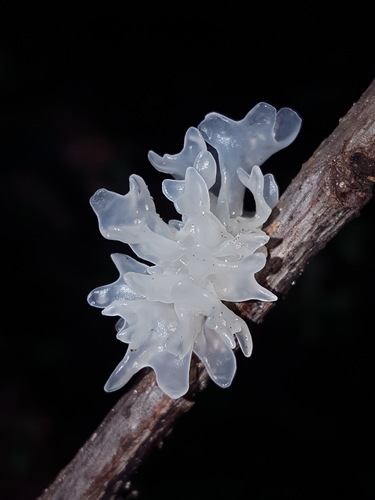
Ecosystem Neighbor (c) Alex Abair, some rights reserved (CC BY), uploaded by Alex Abair · cc-by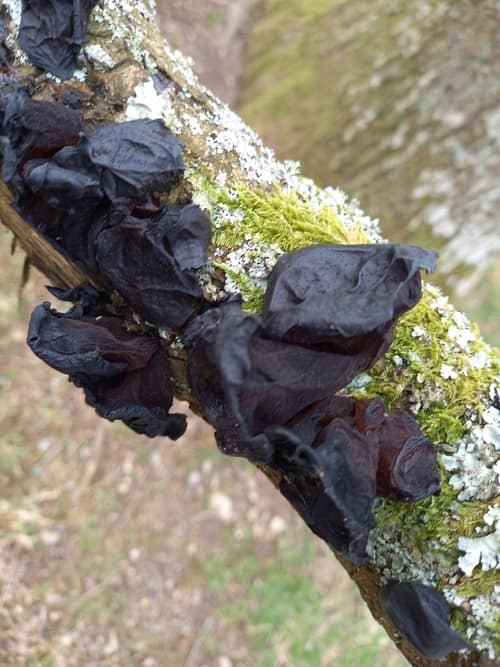
Look-Alike (c) sugarsnap_t, some rights reserved (CC BY), uploaded by sugarsnap_t · cc-by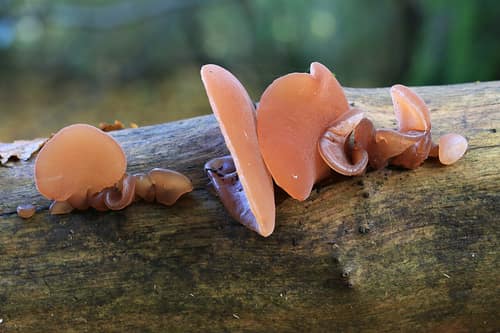
Close Relative Stu's Images / CC BY-SA 4.0 · cc-by-sa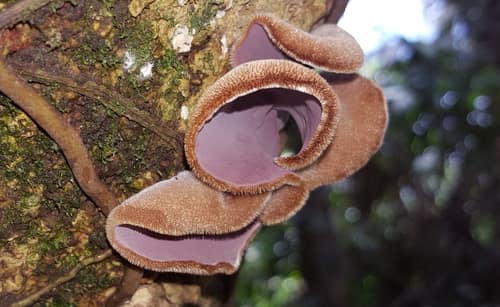
Close Relative (c) alessandradalia, some rights reserved (CC BY-SA), uploaded by alessandradalia · cc-by-sa
Help improve the field guideSomething wrong?
Checking your Fauna account…Report a name, category, or profile issue for review.