
Mammal
Steppe Bison
Bos priscusAlso known as Steppe Wisent
Steppe bison roamed the vast mammoth steppe in massive herds, grazing alongside mammoths and horses throughout the cold Pleistocene epoch. Towering shoulder humps and broad, crescent-shaped horns spanning over a meter gave them an imposing silhouette across open grassland ecosystems. Their vital ecological presence and muscular power made them a primary subject of Paleolithic cave art before changing climates and human hunting drove them to extinction.
PleistoceneMegafauna
—observations
—countries
—peak records
ExtinctConservation statusIUCN Red List categoriesLCNTVUENCREWEXExtinctRed List categories, explained →
Diet & preyGrasses, Sedges, Arctic herbs
Predators
- Cave lion
- Pleistocene wolf
- Early humans
ThreatsLate Quaternary climate warming, vegetation shifts, and human hunting
HabitatsMammoth steppe, cold arid grasslands, and tundra-steppe
Life span15–20 years
Classification
- FamilyBovidae
- SpeciesBos priscus
Range data is not available yet.
Interaction riskLow
- Low
- Moderate
- High
- Very high
- Why interaction risk is low
- Extinct species; completely safe to observe in fossil and museum collections.
Responsible observation
- Museum Viewing: Look for mummified specimens such as Alaska's Blue Babe to see preserved skin and horns.
- Cave Art Context: Examine replicas of Paleolithic cave paintings to appreciate their living posture and horn spread.
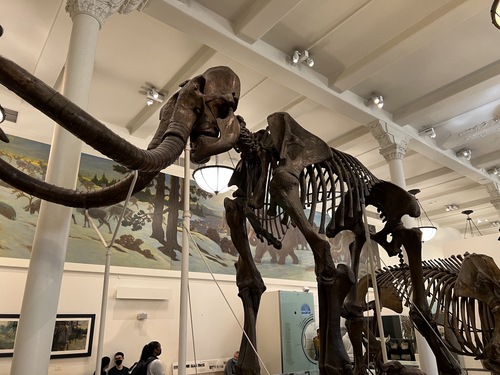
Frequent Companion no rights reserved, uploaded by mionectes · cc0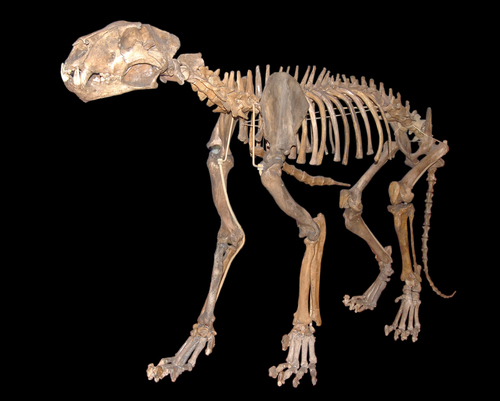
Predator (c) Tommy, some rights reserved (CC BY) · cc-by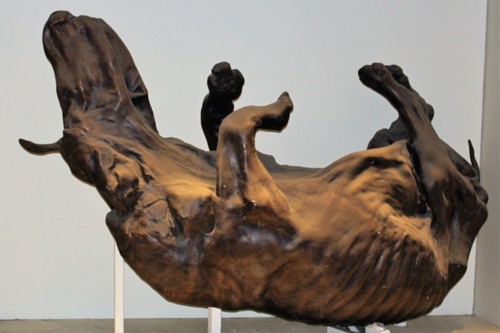
Competitor (c) Emőke Dénes, some rights reserved (CC BY-SA) · cc-by-sa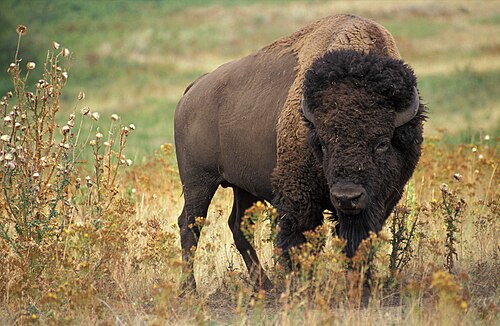
Close Relative Jack Dykinga / Public domain · cc0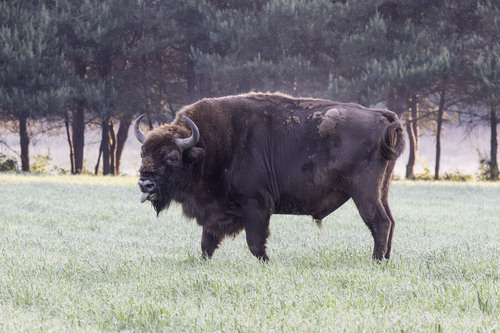
Close Relative (c) Kristof Zyskowski, some rights reserved (CC BY) · cc-by
Help improve the field guideSomething wrong?
Checking your Fauna account…Report a name, category, or profile issue for review.