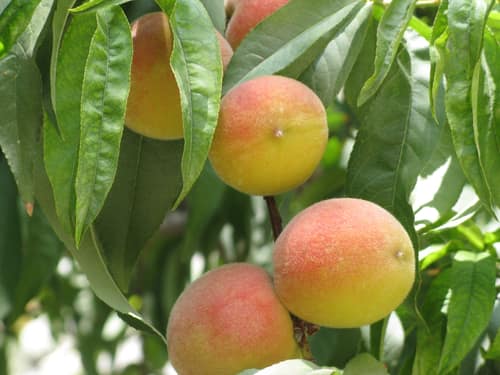
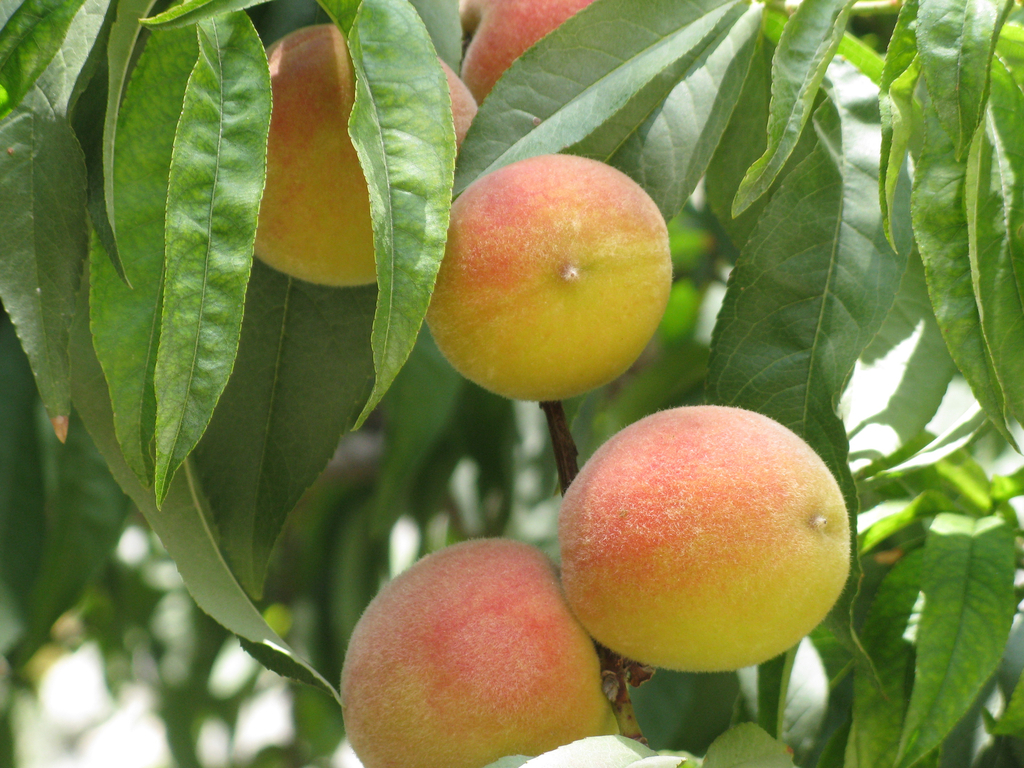
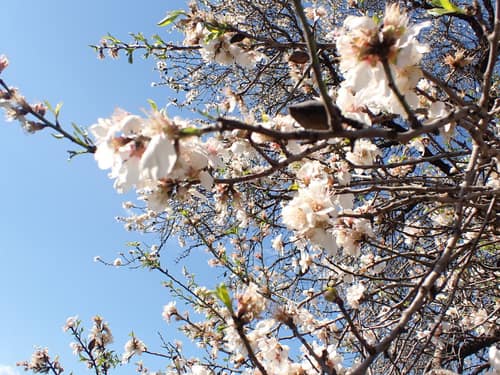
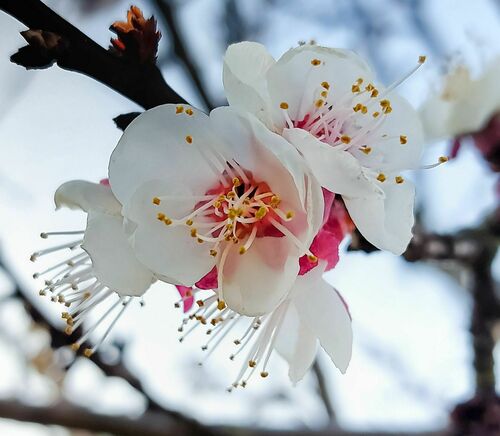
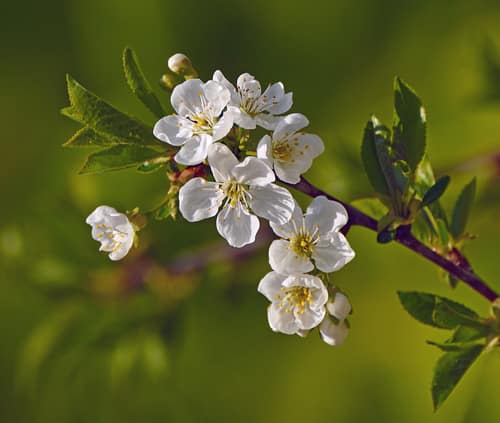
Originating in northwest China thousands of years ago, peach trees produce delicate pink blossoms that emerge directly along bare branches in early spring before the foliage unfolds. The velvety drupes, along with their naturally smooth-skinned genetic variants known as nectarines, rely on animal frugivores and humans for dispersal. In temperate valleys and orchards worldwide, these trees thrive in full sun and well-draining soils, though their early blooms make them vulnerable to late spring freezes.
Not EvaluatedConservation statusIUCN Red List categoriesLCNTVUENCREWEXNot Evaluated — not placed on the risk ladderRed List categories, explained →
Key facts
Diet & prey
Autotrophic (photosynthetic)
Predators
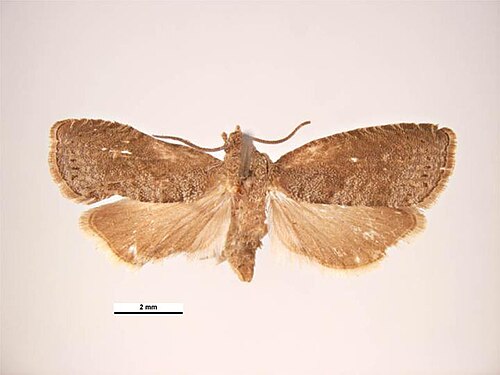
Oriental Fruit Moth
Peach Tree Borer
Japanese Beetle
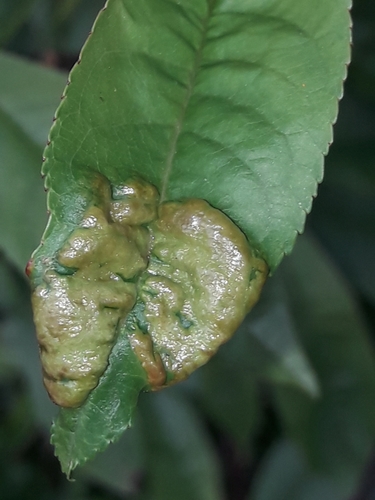
ThreatsPeach leaf curl, bacterial canker, unseasonal late spring frosts
HabitatsTemperate orchards, hillsides, river valleys, open woodlands
Life span12–20 years
Size / weightNot available
Classification
OrderRosales
FamilyRosaceae
GenusPrunus
SpeciesPrunus persica
Range & activity
Range data is not available yet.
Safe observation
Interaction riskHigh
Low
Moderate
High
Very high
Why interaction risk is high
Pits, leaves, and stems contain cyanogenic glycosides toxic to pets; never ingest unverified wild stone fruits.
Why it is dangerous
Seeds within the hard stone, as well as wilted leaves and stems, contain amygdalin, which metabolizes into toxic hydrogen cyanide when crushed and digested.
How to recognize a risky encounter
Recognizable by long lanceolate leaves with finely serrated margins, deeply furrowed woody stones, and pink spring blossoms.
What to do
Do not chew or crack open peach stones, and prevent pets and livestock from grazing on fallen branches or withered foliage.
Responsible observation
Spring Bloom Observation: Look for five-petaled pink flowers clustering along bare branches before leaf expansion.
Pet Safety: Clear fallen fruit pits from lawns to keep dogs from chewing the toxic kernels or choking.
Winter Pruning: Inspect the open vase canopy during dormant winter months to assess branching health.