
Plant · GBIF taxon 8149049
Chinese Wisteria
Wisteria sinensisAlso known as Chinese Wisteria Vine, Purple Vine
Chinese wisteria produces cascading, highly fragrant clusters of violet-purple flowers that bloom simultaneously in mid-spring before its compound leaves fully unfold. Its heavy, muscle-like woody vines twine counterclockwise around any available support, eventually growing strong enough to crush arbors or smother host trees. Outside its native Chinese forest habitat, this vigorous climber spreads rapidly via root runners and water-dispersed seed pods.
FloweringVineFragrant
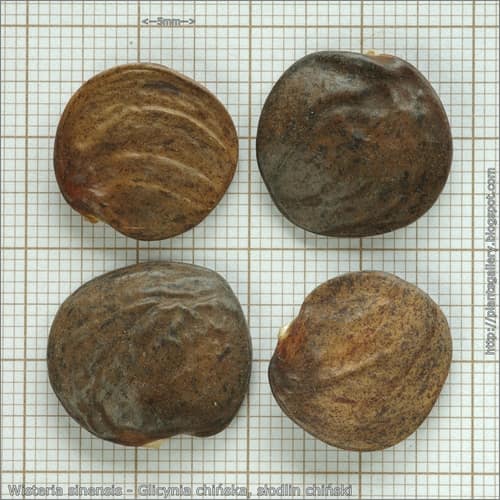
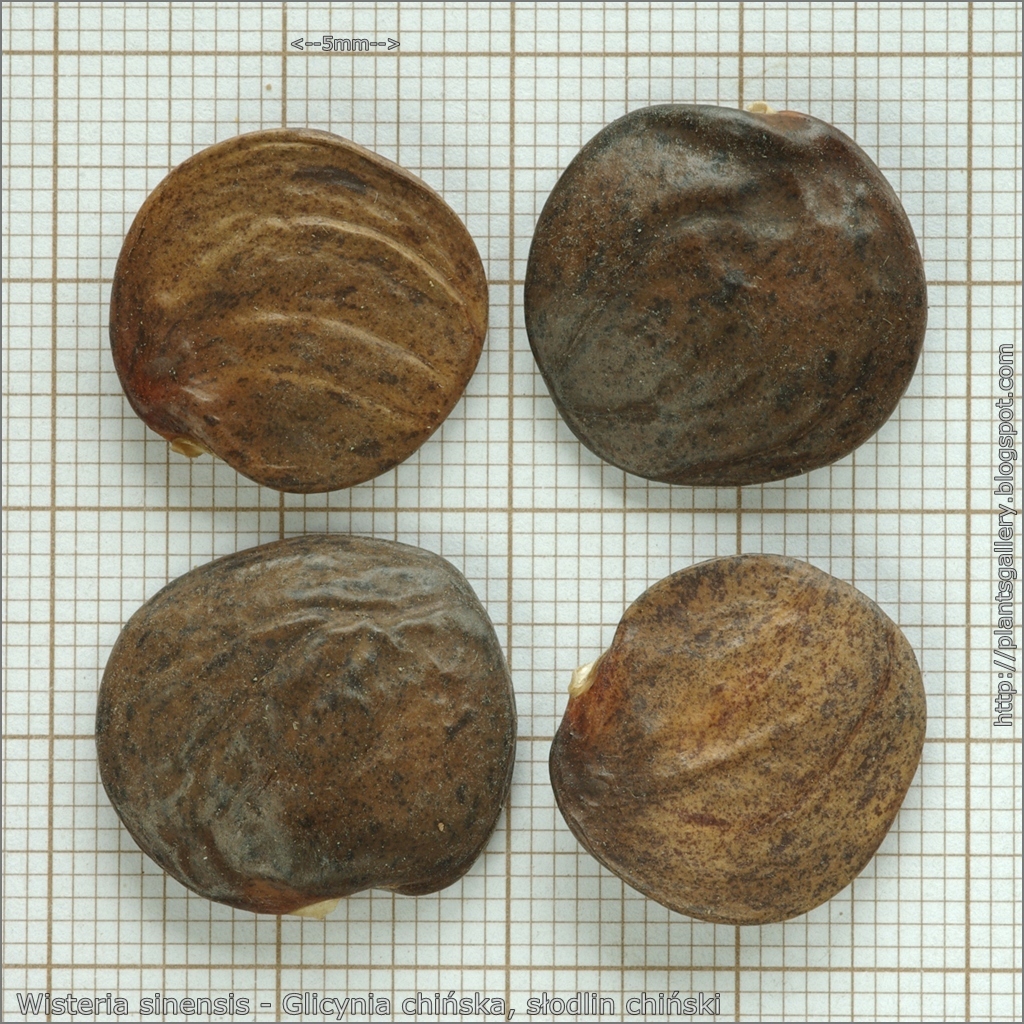
—observations
—countries
—peak records
Not EvaluatedConservation statusIUCN Red List categoriesLCNTVUENCREWEXNot Evaluated — not placed on the risk ladderRed List categories, explained →
Diet & prey
- Autotrophic (Photosynthesis)
Predators
- Aphids
- Caterpillars
- Deer
ThreatsSevere pruning, eradication efforts in invasive ranges
HabitatsTemperate forests, woodland margins, stream banks, gardens
Life span50–100+ years
Size / weightNot available
Classification
- OrderFabales
- FamilyFabaceae
- GenusWisteria
- SpeciesWisteria sinensis
Range data is not available yet.
Interaction riskHigh
- Low
- Moderate
- High
- Very high
- Why interaction risk is high
- All parts, especially seeds and pods, are toxic if ingested; keep away from pets and children.
- Why it is dangerous
- Contains wistarin resin and toxic lectins that trigger severe gastroenteritis, persistent vomiting, and dehydration if consumed.
- How to recognize a risky encounter
- Look for thick woody stems twining counterclockwise, fragrant violet racemes, and velvety green seed pods.
- What to do
- Wear gloves when pruning, and promptly remove and discard seed pods in gardens with pets or children.
Responsible observation
- Pruning: Cut back long shoots in mid-summer and late winter to control vigor and boost flower buds.
- Structural Support: Train only over heavy-duty steel or thick timber arbors capable of supporting massive woody stems.
- Identification: Distinguish from Japanese wisteria by its counterclockwise twining stems and simultaneous blooming pattern.
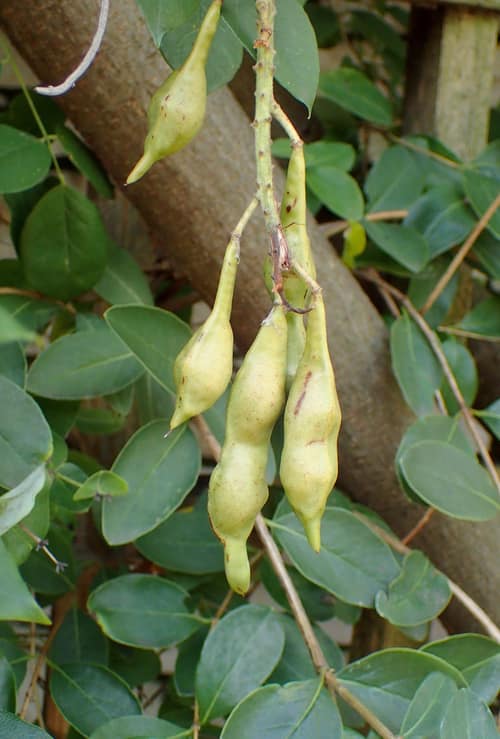
Native Alternative (c) Krzysztof Ziarnek, Kenraiz, some rights reserved (CC BY-SA) · cc-by-sa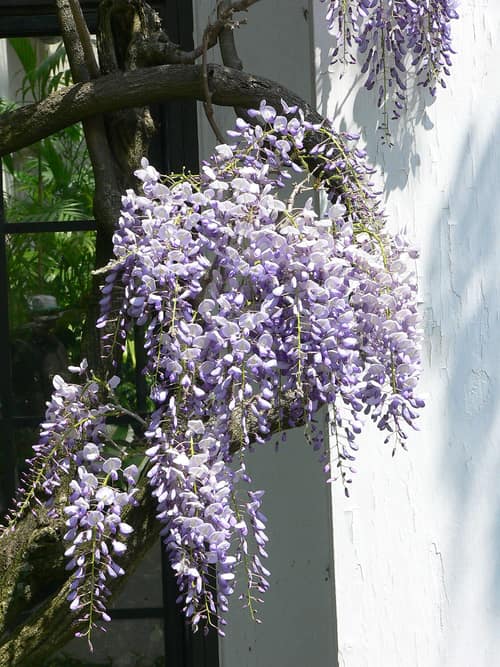
Close Relative Wikimedia Commons / CC BY-SA 3.0 · cc-by-sa
Help improve the field guideSomething wrong?
Checking your Fauna account…Report a name, category, or profile issue for review.