
Arachnid · GBIF taxon 8148841
Tigrosa grandis
Tigrosa grandisAlso known as Grand Wolf Spider
Tigrosa grandis roams the open prairies and grasslands of the central United States, actively stalking insect prey at night rather than spinning capture webs. Females demonstrate remarkable maternal care, towing spherical egg sacs attached to their spinnerets and later ferrying dozens of newly hatched spiderlings on their abdomens. Exceptional night vision, bolstered by light-reflecting eyes that shine vividly under a flashlight beam, makes them formidable ground hunters.
NocturnalGround-dwellingPredatory
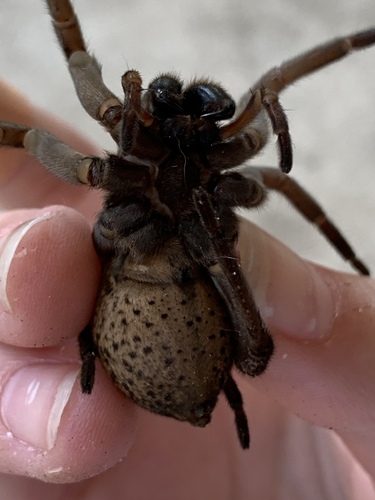
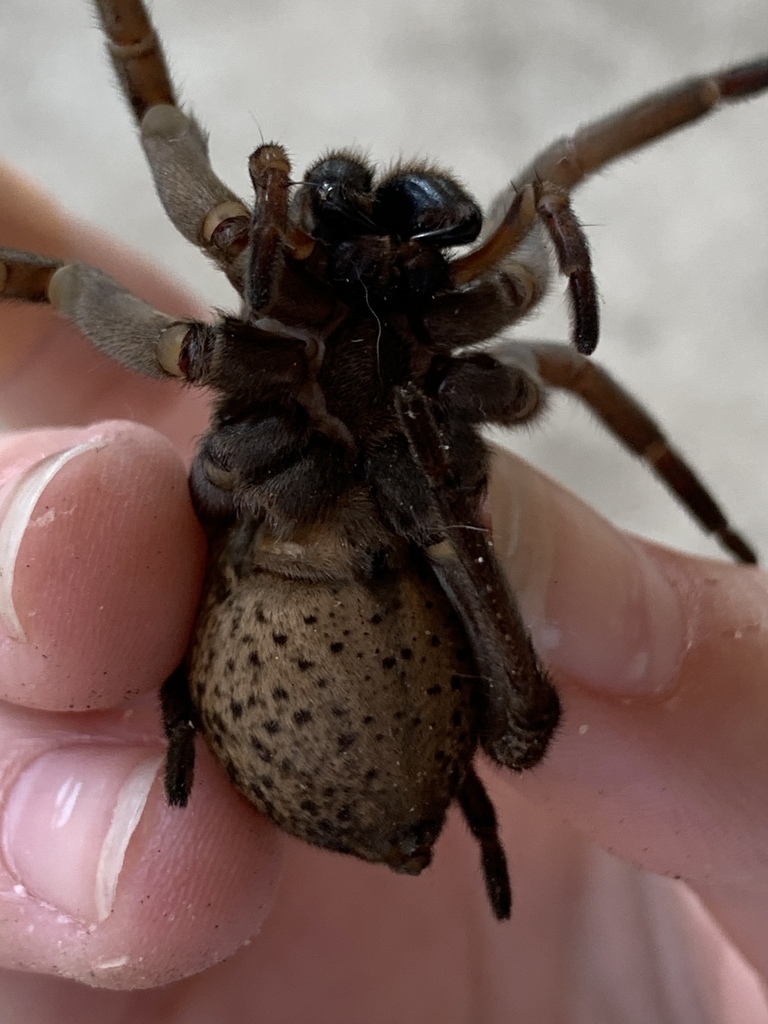 1 / 7
1 / 7—observations
—countries
—peak records
Not EvaluatedConservation statusIUCN Red List categoriesLCNTVUENCREWEXNot Evaluated — not placed on the risk ladderRed List categories, explained →
Diet & prey
- Crickets
- Grasshoppers
- Beetles
Predators
- Spider wasps
- Toads
- Birds
ThreatsWidespread pesticide application and grassland habitat loss
HabitatsPrairies, grasslands, pastures, and open woodlands
Life span1–2 years
Classification
- FamilyLycosidae
- SpeciesTigrosa grandis
Range data is not available yet.
Interaction riskLow
- Low
- Moderate
- High
- Very high
- Why interaction risk is low
- Safe to observe at a normal distance; bites are rare, defensive, and medically trivial.
Responsible observation
- Night Spiders: Walk through prairie grasses with a headlamp held at eye level to spot their distinct greenish eye shine reflecting from the ground.
- Indoor Safe Relocation: If one wanders indoors, invert a clear cup over it and slide a stiff postcard underneath to escort it outside.
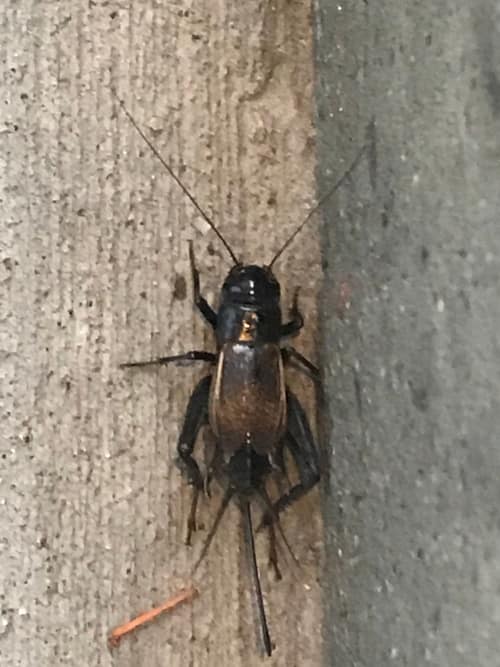
Prey (c) Declan McCabe, some rights reserved (CC BY), uploaded by Declan McCabe · cc-by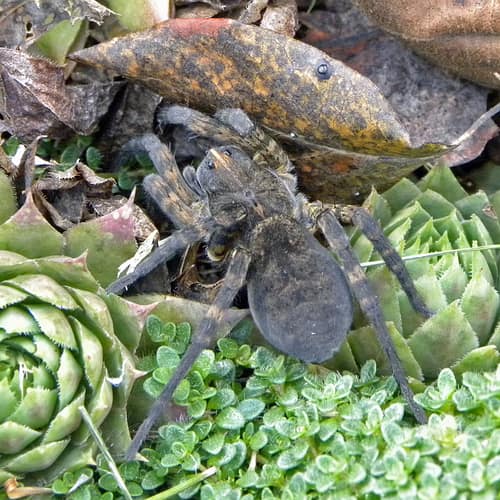
Close Relative (c) M. Whitson, some rights reserved (CC BY) · cc-by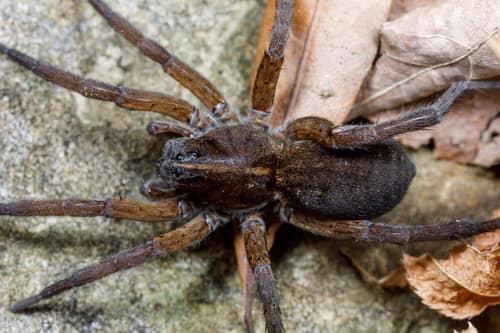
Close Relative (c) Meghan Cassidy, some rights reserved (CC BY-SA), uploaded by Meghan Cassidy · cc-by-sa
Help improve the field guideSomething wrong?
Checking your Fauna account…Report a name, category, or profile issue for review.