
Fungus · GBIF taxon 8146046
Granulated Bolete
Suillus granulatusAlso known as Weeping Bolete, Granulated Slippery Jack
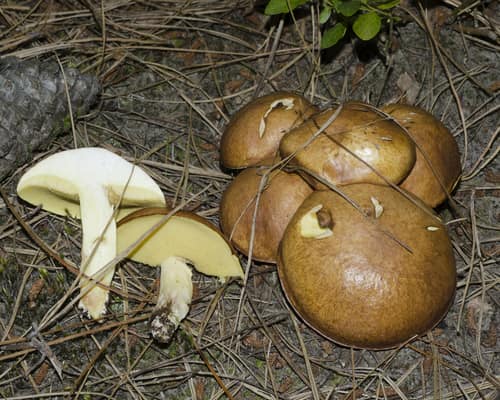
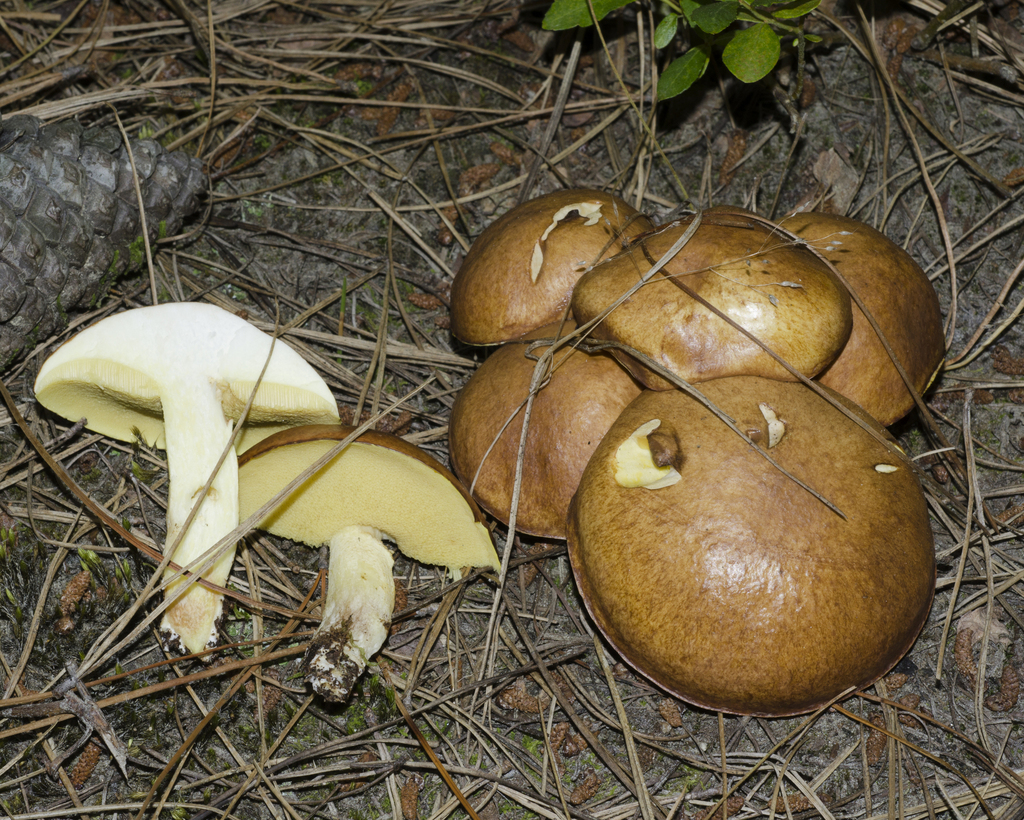
Granulated boletes sprout abundantly in pine forests during late summer and autumn, forming vital underground mycorrhizal partnerships with conifer roots. Young fruiting bodies characteristically exude tiny milky liquid droplets from their bright yellow pore surfaces, giving rise to their alternative name. Unlike its close relatives, this mushroom completely lacks a ring or veil on its pale stem, which is instead dotted with fine yellowish or brownish granules.
FungusPine-AssociatedPored
 1 / 7
1 / 7—observations
—countries
—peak records
Least ConcernConservation statusIUCN Red List categoriesLCNTVUENCREWEXLeast ConcernRed List categories, explained →
Diet & prey
- Mycorrhizal
Predators
- Fungus Gnats
- Slugs
- Squirrels
ThreatsDeforestation, severe drought, soil compaction
HabitatsPine forests, plantations, sandy soils near conifers
Life spanPerennial mycelium; mushrooms persist 3–7 days
Size / weightNot available
Classification
- OrderBoletales
- FamilySuillaceae
- GenusSuillus
- SpeciesSuillus granulatus
Range data is not available yet.
Interaction riskLow
- Low
- Moderate
- High
- Very high
- Why interaction risk is low
- Many edible mushrooms have toxic look-alikes; never eat wild fungi based on app identification alone.
Responsible observation
- Search near pines: Look beneath two-needle pine trees in moist autumn weather.
- Inspect liquid beads: Look for glistening beads of sap on young yellow pore surfaces.
- Examine upper stem: Feel for tiny, sticky granules near the top of the ringless stem.
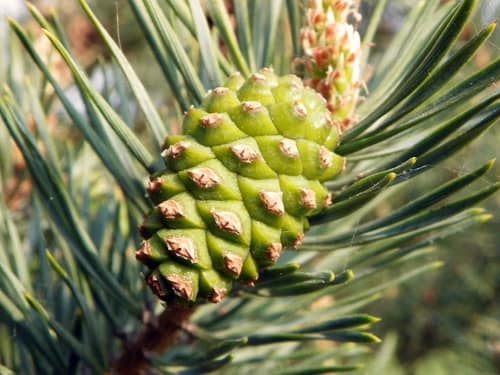
Host Plant (c) anemoneprojectors (no internet at the moment), some rights reserved (CC BY-SA) · cc-by-sa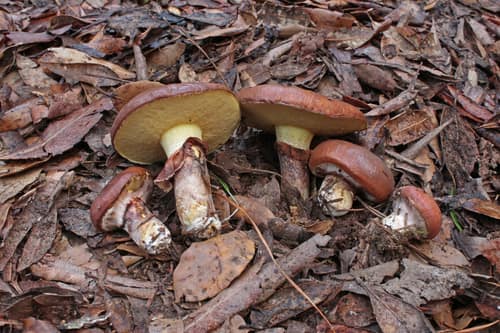
Close Relative (c) Davide Puddu, some rights reserved (CC BY), uploaded by Davide Puddu · cc-by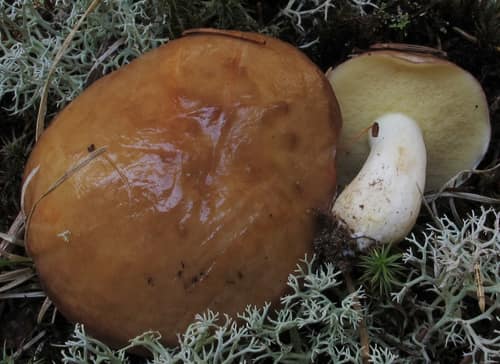
Close Relative (c) mycowalt, some rights reserved (CC BY-SA), uploaded by mycowalt · cc-by-sa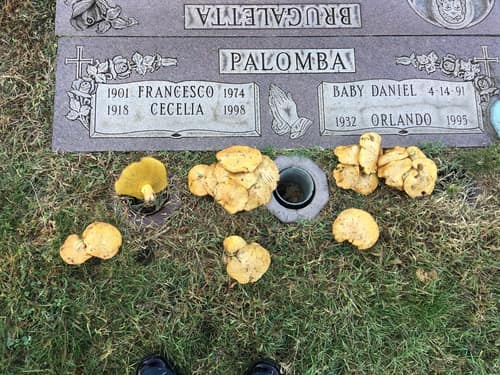
Close Relative no rights reserved · cc0
Keep collecting in Fauna
Found in Collections
Species set Pro
Fungi Forager
Granulated Bolete is found in this collection. Identify it in Fauna to fill this slot and continue your progress.
Unlock to track progress
Help improve the field guideSomething wrong?
Checking your Fauna account…Report a name, category, or profile issue for review.