
Plant
Rocky Mountain Beeplant
Cleomella serrulataAlso known as Beeweed, Stinking-Clover, Navajo Spinach, Guaco
Rocky Mountain beeplant stands out on arid western plains with tall, branching stems crowned by showy clusters of pink to reddish-purple flowers with long, protruding stamens. Its distinctive, pungent foliage deters grazing mammals while drawing in dense swarms of native bees, butterflies, and wasps throughout the summer. As an annual pioneer plant, it rapidly colonizes sandy riverbanks, roadsides, and disturbed soils across central and western North America.
Pollinator MagnetNative WildflowerAnnual
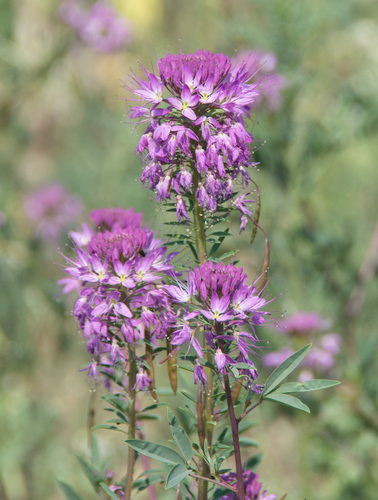
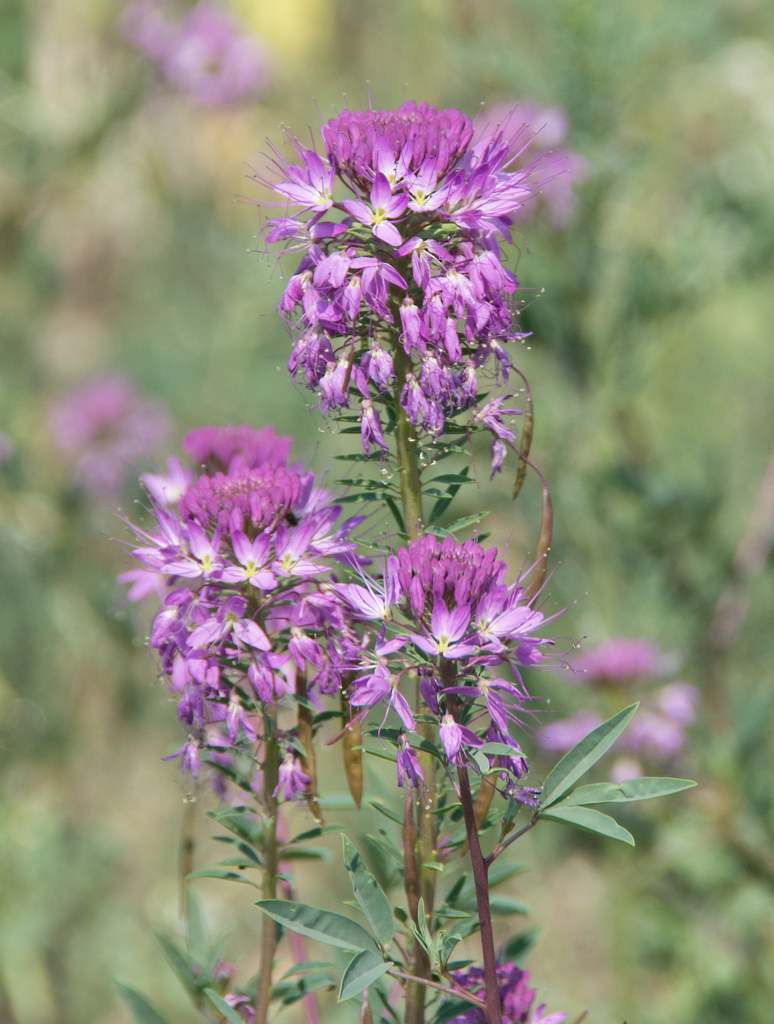
—observations
—countries
—peak records
Least ConcernConservation statusIUCN Red List categoriesLCNTVUENCREWEXLeast ConcernRed List categories, explained →
Diet & preyAutotrophic (Photosynthesis)
Predators
- Flea Beetles
- Checkered White Caterpillars
- Mule Deer
ThreatsHabitat conversion, broad-spectrum herbicide spraying, and invasive weed competition
HabitatsPrairies, roadsides, sandy washes, disturbed soils, and open shrublands
Life span1 year (Annual)
Classification
- FamilyCleomaceae
- SpeciesCleomella serrulata
Range data is not available yet.
Interaction riskLow
- Low
- Moderate
- High
- Very high
- Why interaction risk is low
- Safe to observe at a normal distance.
Responsible observation
- Pollinator Spotting: Look for swarms of native bees and butterflies active around the flower heads on sunny mornings.
- Foliage Odor: Gently brush the leaves to notice the strong, musky scent that gives the plant its alternative name, stinking-clover.
- Seed Pods: Observe the elongated, drooping seed capsules that form on long stalks below the actively blooming flower clusters.
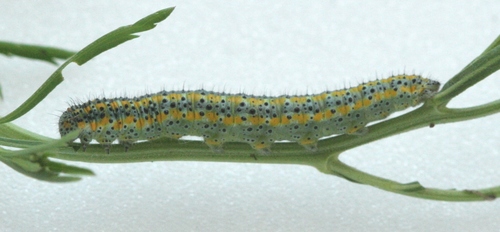
Herbivore Host (c) Megan McCarty, some rights reserved (CC BY) · cc-by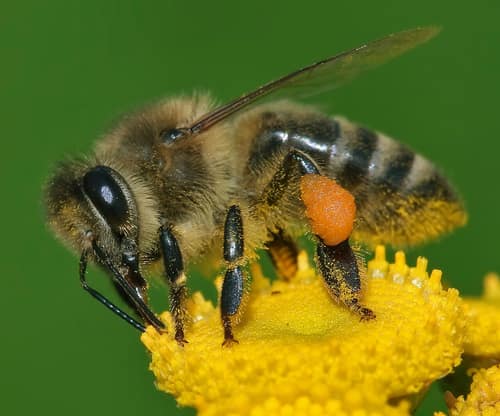
Pollinator Andreas Trepte / CC BY-SA 2.5 · cc-by-sa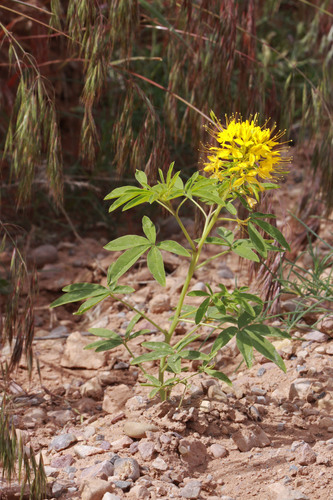
Close Relative (c) Andrey Zharkikh, some rights reserved (CC BY) · cc-by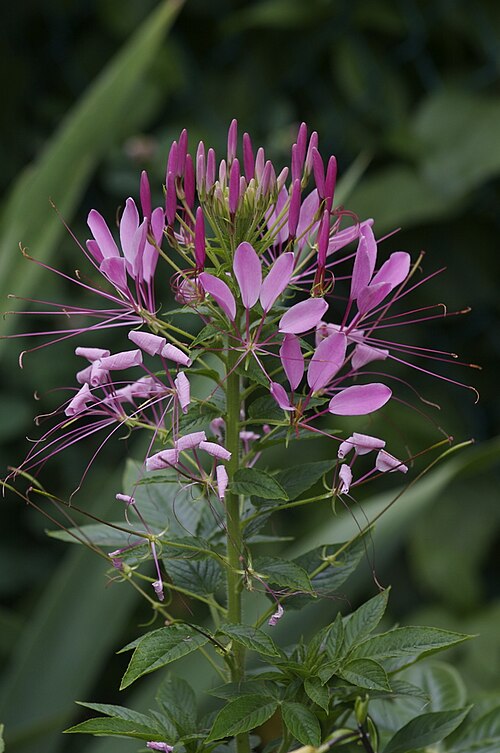
Garden Relative User:Schoinard / CC BY-SA 3.0 · cc-by-sa
Help improve the field guideSomething wrong?
Checking your Fauna account…Report a name, category, or profile issue for review.