
Plant · GBIF taxon 8142314
False Goatsbeard
Astilbe biternataAlso known as Appalachian Astilbe, Native Astilbe
False goatsbeard towers along shady Appalachian mountain streams, producing dramatic feathery plumes of tiny white blossoms in early summer. Its large, compound leaves are divided into coarse, three-lobed leaflets that closely mimic true goatsbeard. As the only species of Astilbe native to eastern North America, it plays a vital ecological role providing nectar to forest pollinators.
NativePerennialWoodland
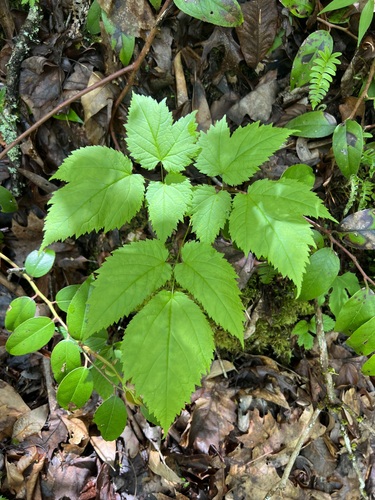
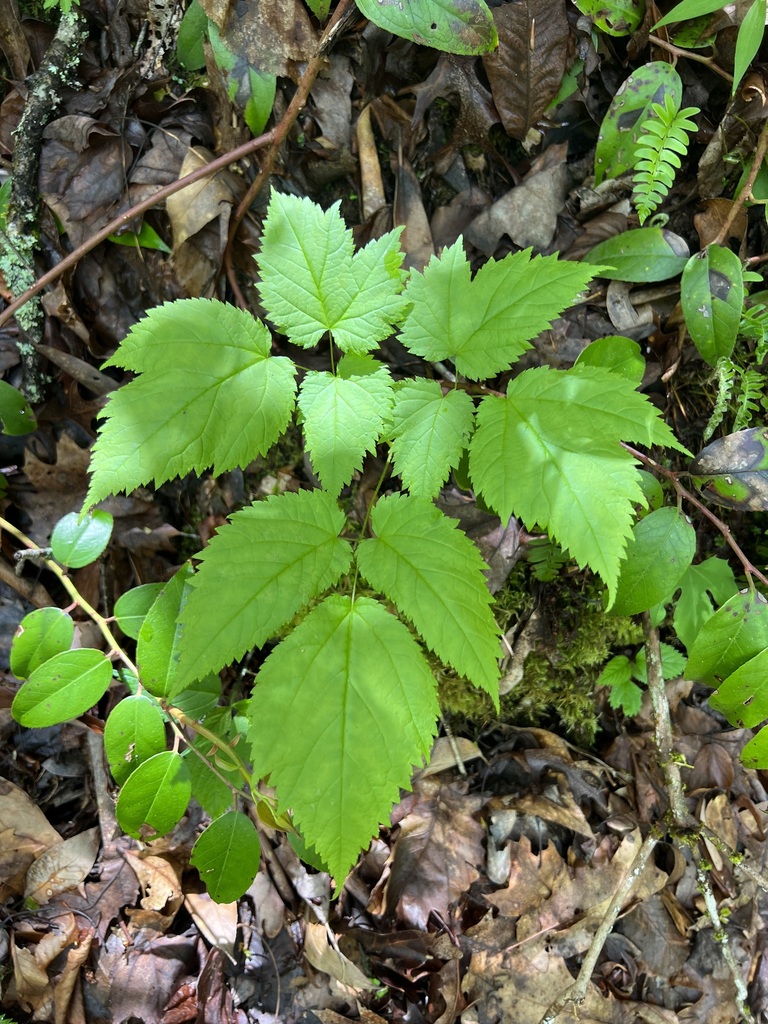 1 / 7
1 / 7—observations
—countries
—peak records
Not EvaluatedConservation statusIUCN Red List categoriesLCNTVUENCREWEXNot Evaluated — not placed on the risk ladderRed List categories, explained →
Diet & prey
- Sunlight
- Water
- Soil Minerals
Predators
- White-tailed Deer
- Slugs
- Snails
ThreatsForest fragmentation, overbrowsing by deer, invasive plant competition
HabitatsRich cove forests, mountain stream banks, damp rocky slopes
Life spanPerennial (10–20+ years)
Size / weightNot available
Classification
- OrderSaxifragales
- FamilySaxifragaceae
- GenusAstilbe
- SpeciesAstilbe biternata
Range data is not available yet.
Interaction riskLow
- Low
- Moderate
- High
- Very high
- Why interaction risk is low
- Safe to observe at a normal distance.
Responsible observation
- Distinguish from Look-alikes: Examine the leaves, as false goatsbeard has a distinct three-lobed terminal leaflet and 10 stamens per flower.
- Seasonal Observation: Visit rich Appalachian coves in June and July to catch the large white plumes at peak bloom.
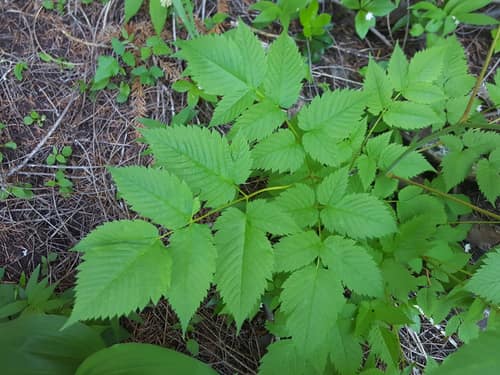
Look-alike (c) Alex Abair, some rights reserved (CC BY), uploaded by Alex Abair · cc-by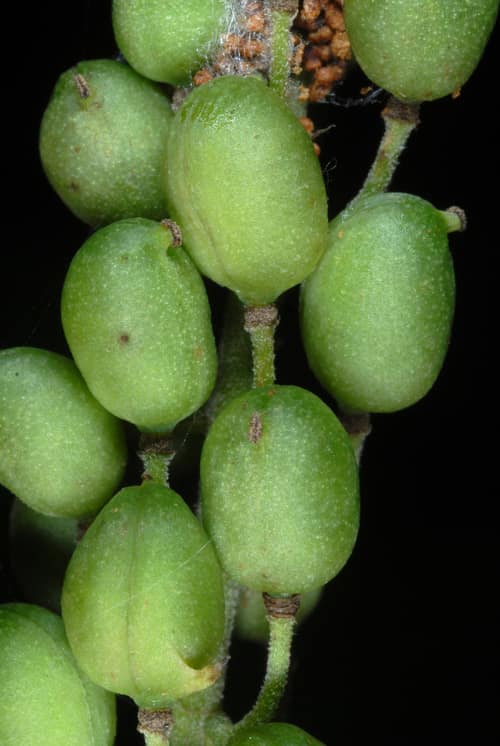
Frequent Companion (c) Douglas Goldman, some rights reserved (CC BY-SA), uploaded by Douglas Goldman · cc-by-sa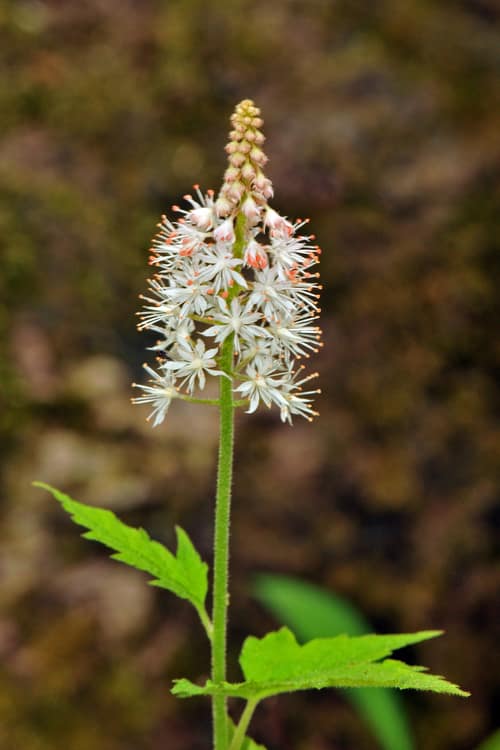
Close Relative (c) Tom Kennedy, some rights reserved (CC BY), uploaded by Tom Kennedy · cc-by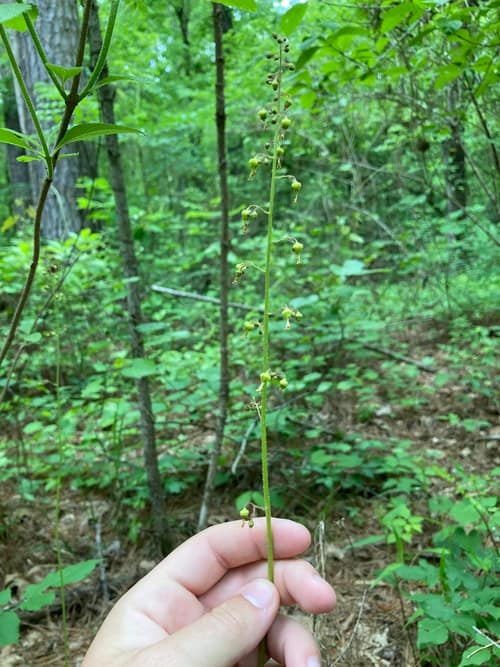
Close Relative (c) John Michael, some rights reserved (CC BY) · cc-by
Help improve the field guideSomething wrong?
Checking your Fauna account…Report a name, category, or profile issue for review.