
Species · GBIF taxon 8140485
European Perch
Perca fluviatilisAlso known as Common Perch, Redfin Perch, Eurasian Perch, English Perch
European perch are striking freshwater hunters recognizable by five to nine dark vertical bars across their greenish-yellow flanks and bright orange-red pelvic and anal fins. Younger fish form tight-knit schools in vegetated margins, while older individuals become solitary predators lurking near submerged roots and drop-offs. Females lay long, gelatinous ribbons containing thousands of eggs across aquatic weeds each spring, securing their offspring against shifting currents.
FreshwaterPredatorySchooling
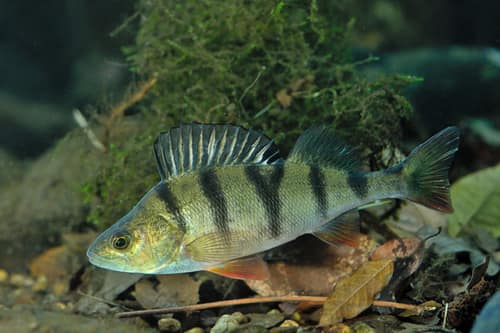
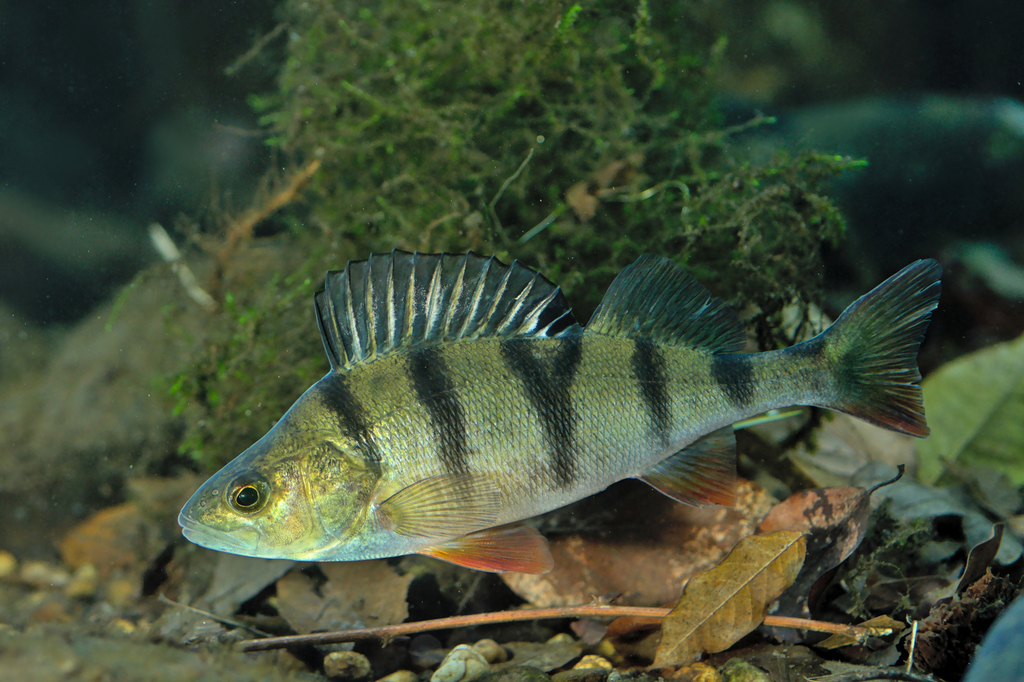
—observations
—countries
—peak records
Least ConcernConservation statusIUCN Red List categoriesLCNTVUENCREWEXLeast ConcernRed List categories, explained →
Diet & prey
- Small Fish
- Aquatic Insect Larvae
- Freshwater Shrimp
Predators
- Northern Pike
- European Otter
- Great Cormorant
ThreatsHabitat degradation, water pollution, localized overfishing
HabitatsLakes, reservoirs, slow-moving rivers, streams, brackish estuaries
Life span10–22 years
Size / weightNot available
Classification
- OrderPerciformes
- FamilyPercidae
- GenusPerca
- SpeciesPerca fluviatilis
Range data is not available yet.
Interaction riskLow
- Low
- Moderate
- High
- Very high
- Why interaction risk is low
- Sharp dorsal spines and gill covers can inflict minor puncture wounds; handle carefully if caught.
Responsible observation
- Patience at dusk: Watch calm shallows around weed beds and submerged timber during twilight when hunting activity peaks.
- Spine safety: Collapse the spiny dorsal fin backward flat against the body before gripping behind the head.
- Underwater viewing: Look for young fish schooling tightly in clear lake margins during midsummer.
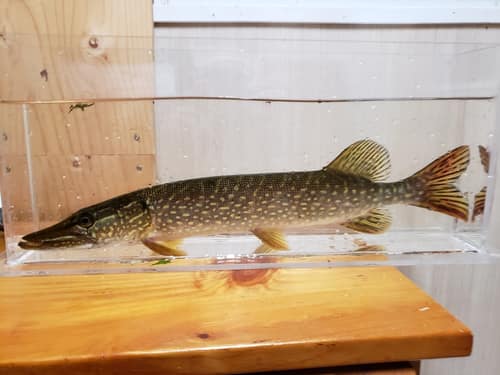
Co-occurring Predator (c) Patrick Jackson, some rights reserved (CC BY), uploaded by Patrick Jackson · cc-by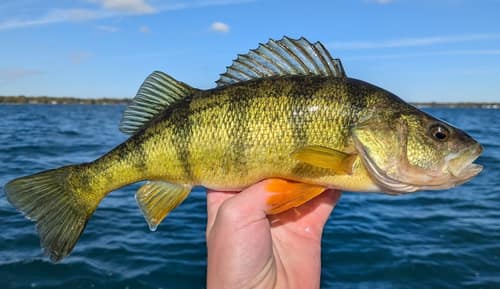
Close Relative (c) Quinn, some rights reserved (CC BY), uploaded by Quinn · cc-by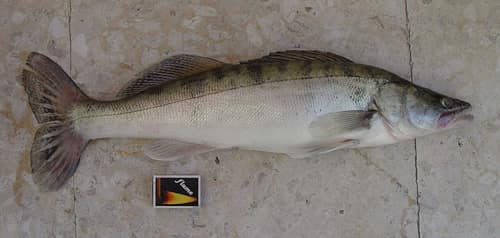
Family Member eLNuko / Public domain · cc0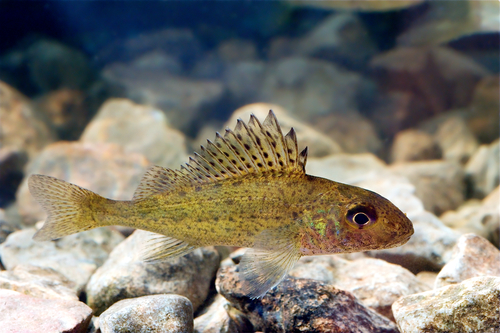
Family Member (c) Tiit Hunt, some rights reserved (CC BY-SA) · cc-by-sa
Help improve the field guideSomething wrong?
Checking your Fauna account…Report a name, category, or profile issue for review.