
Insect · GBIF taxon 8138711
Lesser Purple Emperor
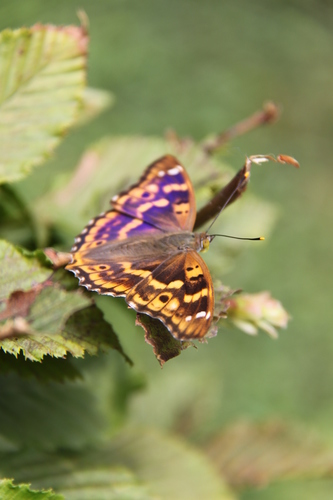
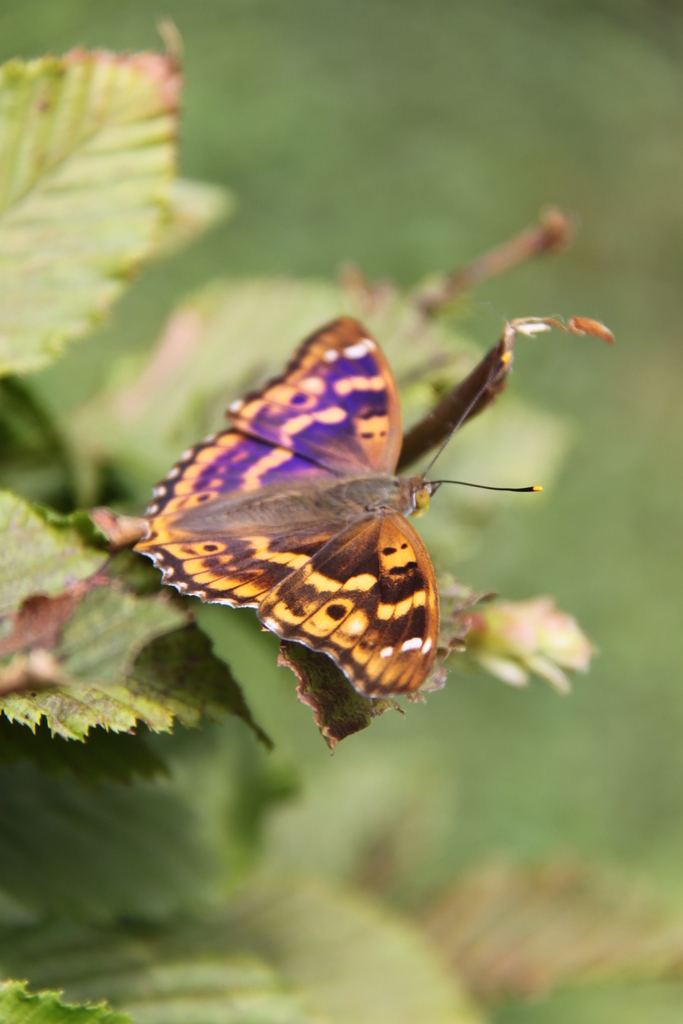
Apatura iliaMale lesser purple emperors display a brilliant structural iridescence on their upper wings, flashing vivid violet-blue when struck by light at specific angles. Unlike many butterflies, adults rarely visit flowers, preferring to feed on mineral-rich mud puddles, tree sap, and decaying matter along damp forest trails. Cryptic green caterpillars pass the winter tucked into bark crevices before feeding on poplars, aspens, and willows in spring.
IridescentWoodlandButterfly
 1 / 7
1 / 7—observations
—countries
—peak records
Least ConcernConservation statusIUCN Red List categoriesLCNTVUENCREWEXLeast ConcernRed List categories, explained →
Diet & prey
- Aspen leaves
- Poplar leaves
- Willow leaves
Predators
- Birds
- Spiders
- Dragonflies
ThreatsLoss of damp broadleaf forests, removal of host trees, and heavy pesticide use near river basins.
HabitatsDeciduous woodlands, river valleys, forest edges, and parklands.
Life span1–2 months as adult butterfly; up to 1 year including overwintering caterpillar stage.
Size / weightNot available
Classification
- OrderLepidoptera
- FamilyNymphalidae
- GenusApatura
- SpeciesApatura ilia
Range data is not available yet.
Interaction riskLow
- Low
- Moderate
- High
- Very high
- Why interaction risk is low
- Safe to observe at a normal distance.
Responsible observation
- Spotting Canopy Males: Scan high oak or poplar branches on warm sunny mornings where territorial males perch.
- Finding Feeding Adults: Check unpaved forest tracks, muddy puddles, and sap-bleeding tree trunks where butterflies gather to drink.

Frequent Companion no rights reserved, uploaded by Kees · cc0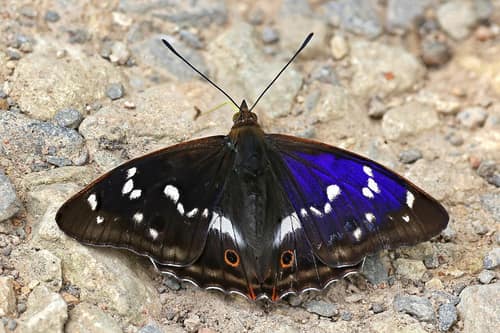
Close Relative Charles J. Sharp / CC BY-SA 4.0 · cc-by-sa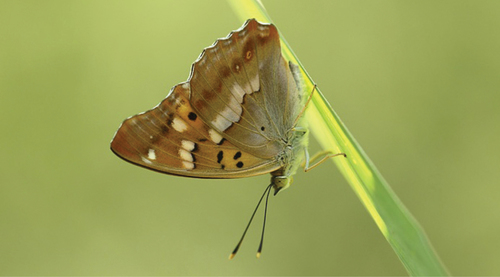
Close Relative (c) Kim Huskens, some rights reserved (CC BY) · cc-by
Keep collecting in Fauna
Found in Collections
Ecosystem chain Pro
Mystic Meadows
Lesser Purple Emperor is found in this collection. Identify it in Fauna to fill this slot and continue your progress.
Unlock to track progress
Help improve the field guideSomething wrong?
Checking your Fauna account…Report a name, category, or profile issue for review.