
Species
Paramecium caudatum
Paramecium caudatumAlso known as Slipper Animalcule
Paramecium caudatum is an elongated, slipper-shaped single-celled ciliate that propels itself through still water via rhythmic, coordinated waves of thousands of beating cilia. A deep oral groove draws bacteria, microalgae, and organic particles directly into forming food vacuoles while dual contractile vacuoles actively pump out water to maintain internal osmotic balance. When environmental stress or starvation strikes, two individuals fuse along their oral surfaces in a complex genetic exchange called conjugation.
MicroscopicFreshwaterCiliate
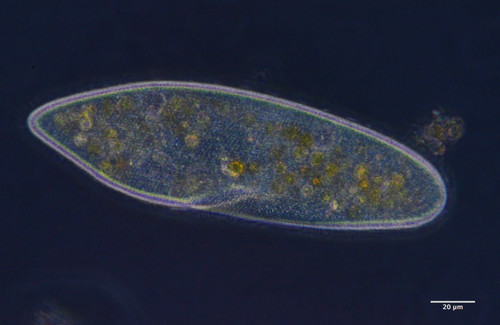
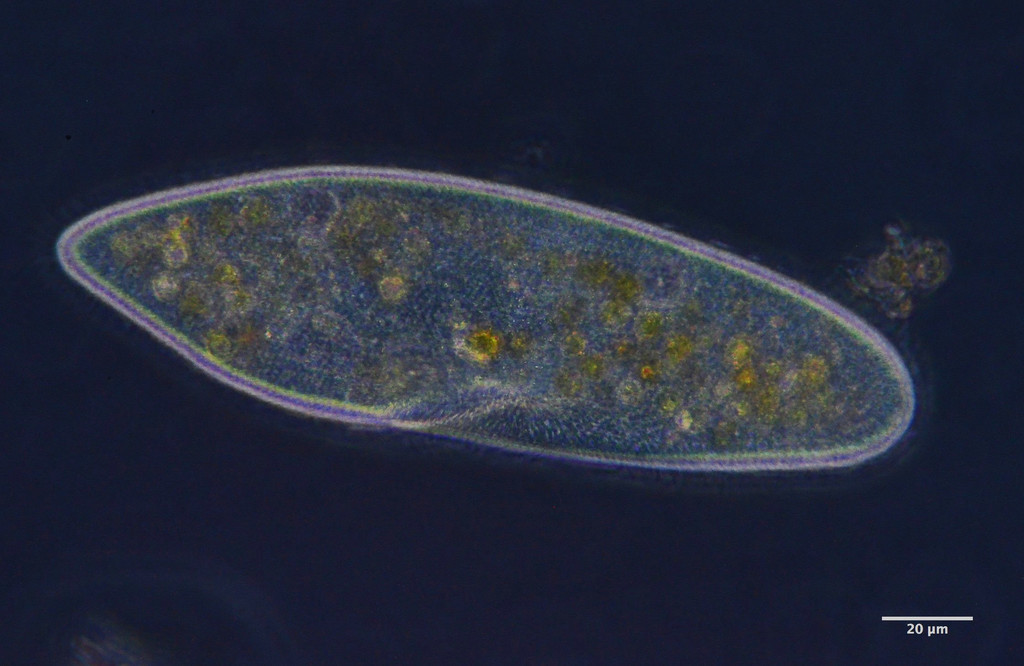
—observations
—countries
—peak records
Not EvaluatedConservation statusIUCN Red List categoriesLCNTVUENCREWEXNot Evaluated — not placed on the risk ladderRed List categories, explained →
Diet & preyEscherichia coli, Saccharomyces cerevisiae, Micrococcus luteus
Predators
- Didinium nasutum
- Amoeba proteus
- Hydra vulgaris
ThreatsChemical pollution, aquatic toxins, and severe desiccation
HabitatsPonds, ditches, sluggish streams, and brackish wetlands
Life spanIndefinite via asexual binary fission; divides every 8–24 hours
Classification
- FamilyParameciidae
- SpeciesParamecium caudatum
Range data is not available yet.
Interaction riskLow
- Low
- Moderate
- High
- Very high
- Why interaction risk is low
- Completely harmless to humans; safe to handle and observe under a microscope.
Responsible observation
- Sampling: Collect organic-rich water and decaying leaves from the calm edge of a pond.
- Slowing down: Add a drop of methyl cellulose to the slide to slow swimming for viewing.
- Observation: Use 100x to 400x magnification with phase-contrast or darkfield lighting.
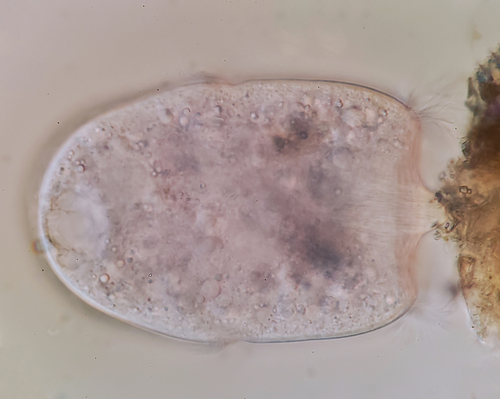
Predator žiadne práva vyhradené, uploaded by David Bird · cc0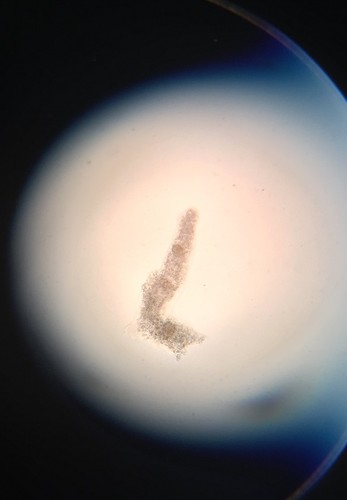
Predator (c) Dominic, some rights reserved (CC BY), uploaded by Dominic · cc-by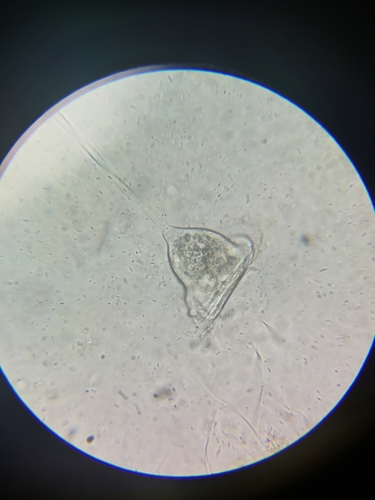
Neighbor (c) Валерия Ковалева, some rights reserved (CC BY) · cc-by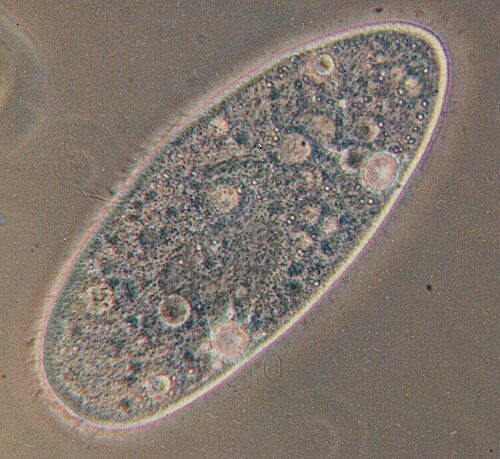
Close Relative Barfooz at the English Wikipedia. / CC BY-SA 3.0 · cc-by-sa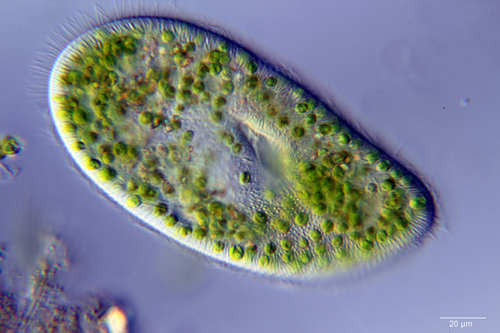
Close Relative (c) Anatoly Mikhaltsov, some rights reserved (CC BY-SA) · cc-by-sa
Help improve the field guideSomething wrong?
Checking your Fauna account…Report a name, category, or profile issue for review.