
Insect · GBIF taxon 8109871
Long-tailed Meadow Katydid
Conocephalus attenuatusAlso known as Lance-tailed Meadow Katydid
Long-tailed meadow katydids are slender wetland insects recognized by the female's extraordinarily long, sword-like ovipositor that often exceeds the length of her own body. Males produce a faint, high-frequency buzzing song on warm late-summer nights while perched high on sedges and cattails. These shy grasshopper relatives feed on marsh seeds, pollen, and small soft-bodied insects while dodging predators like red-winged blackbirds and frogs.
WetlandSingingGreen
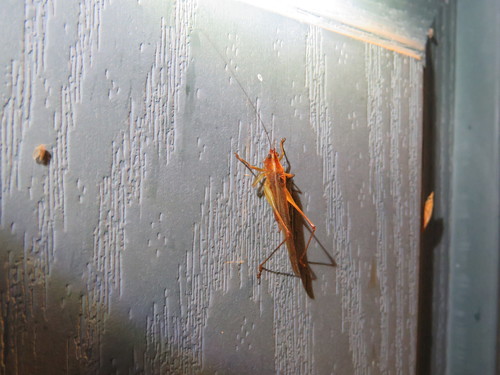
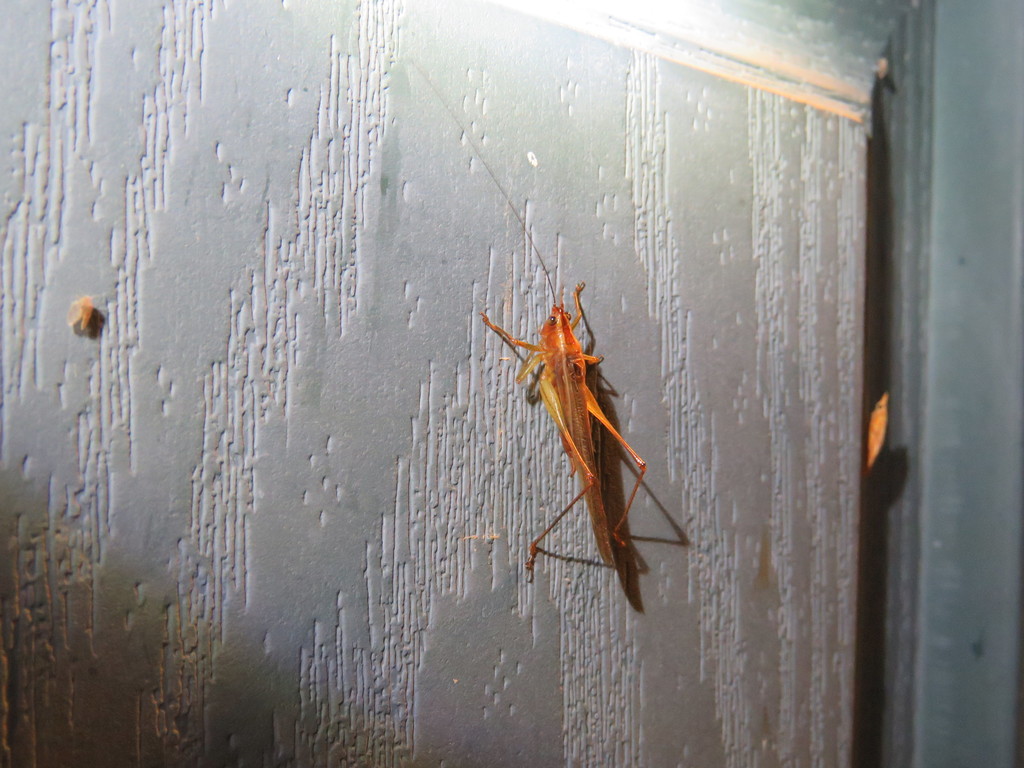
—observations
—countries
—peak records
Least ConcernConservation statusIUCN Red List categoriesLCNTVUENCREWEXLeast ConcernRed List categories, explained →
Diet & prey
- Grasses
- Pollen
- Aphids
Predators
- Birds
- Frogs
- Spiders
ThreatsWetland destruction, agricultural runoff, and habitat fragmentation
HabitatsWetland margins, sedge meadows, marshes, and damp fields
Life span1 year
Classification
- FamilyTettigoniidae
- SpeciesConocephalus attenuatus
Range data is not available yet.
Interaction riskLow
- Low
- Moderate
- High
- Very high
- Why interaction risk is low
- Safe to observe at a normal distance.
Responsible observation
- Spotting: Scan tall sedge stems and cattail blades along marsh edges on late summer afternoons.
- Listening: Listen for a soft, buzzing high-frequency call during warm evenings.
- Approaching: Walk slowly near marsh vegetation because they quickly rotate behind plant stems to hide.
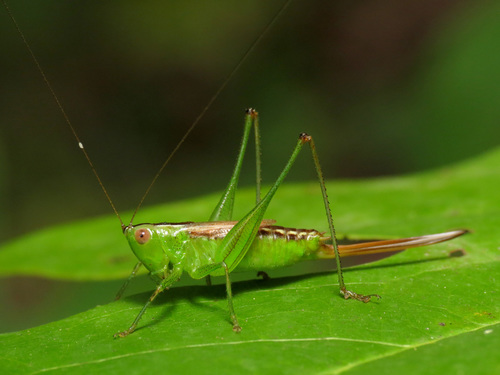
Close Relative (c) Katja Schulz, some rights reserved (CC BY) · cc-by Image unavailable
Close Relative 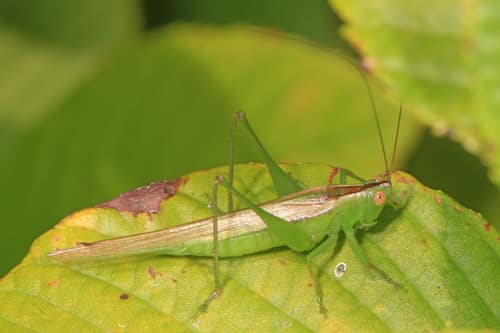
Close Relative (c) Judy Gallagher, some rights reserved (CC BY-SA), uploaded by Judy Gallagher · cc-by-sa
Help improve the field guideSomething wrong?
Checking your Fauna account…Report a name, category, or profile issue for review.