
Bird · GBIF taxon 8109681
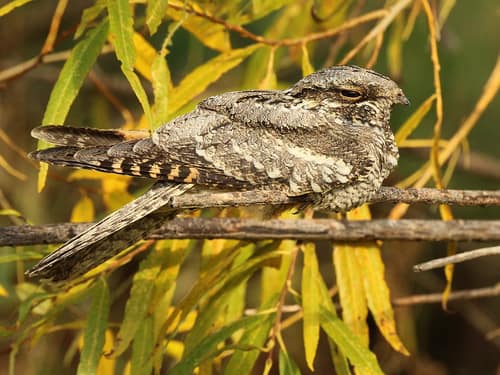
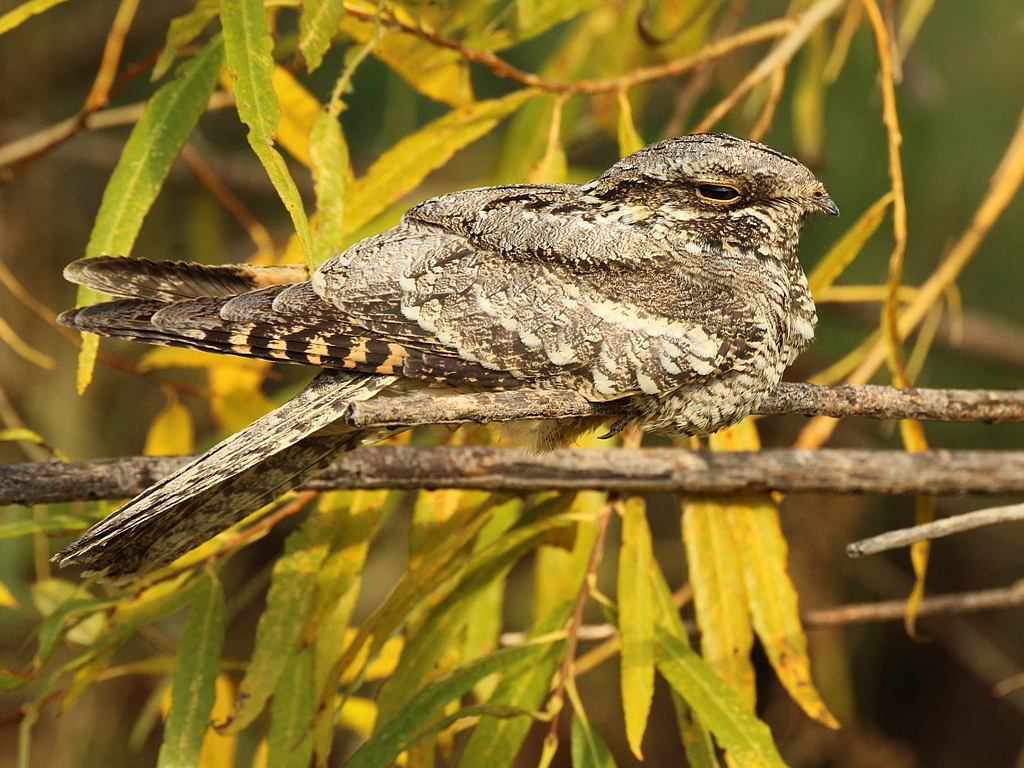
European Nightjar
Caprimulgus europaeusAlso known as Common Goatsucker, Eurasian Nightjar, Nightjar
European nightjars spend their days virtually invisible, resting motionless along branches or leaf litter where intricate cryptically patterned plumage mimics dead leaves. At dusk, males deliver a prolonged continuous churring song that resonates across open heathlands and pine woods. They hunt flying moths and beetles on the wing, using silent acrobatic flight and broad gapes fringed with bristles to scoop up prey.
NocturnalCamouflageMigratory
 1 / 7
1 / 7—observations
—countries
—peak records
Least ConcernConservation statusIUCN Red List categoriesLCNTVUENCREWEXLeast ConcernRed List categories, explained →
Diet & prey
- Moths
- Beetles
- Flies
Predators
- Domestic Cats
- Red Foxes
- Eurasian Eagle-Owls
ThreatsHabitat loss, ground-nest disturbance, reduction of nocturnal insects from pesticides
HabitatsHeathlands, open pine woodlands, clearings, moorlands
Life span5–12 years
Size / weightNot available
Classification
- FamilyCaprimulgidae
- SpeciesCaprimulgus europaeus
Range data is not available yet.
Interaction riskLow
- Low
- Moderate
- High
- Very high
- Why interaction risk is low
- Safe to observe at a normal distance.
- What to notice
- Recognizable by gray-brown bark-like plumage and a long tail, often flushed unexpectedly from ground level at dusk.
- Support conservation
- Remain on established paths in breeding areas from May through August and keep pets under strict control.
Responsible observation
- Listen at Dusk: Listen for the male's prolonged continuous churring call on warm summer evenings.
- Watch Ground Nests: Keep dogs on leads in heathland habitats from May to August to avoid disturbing nests.
- Spot Wing Flash: Look for white wing and tail patches on flying males in moonlight.
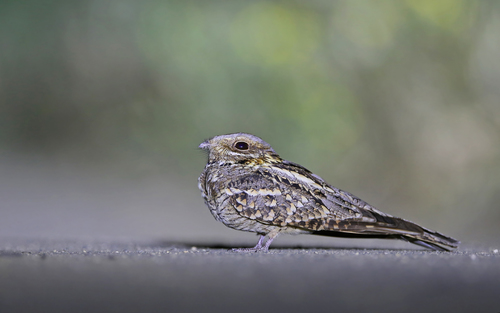
Close Relative (c) Christoph Moning, some rights reserved (CC BY), uploaded by Christoph Moning · cc-by Image unavailable
Close Relative 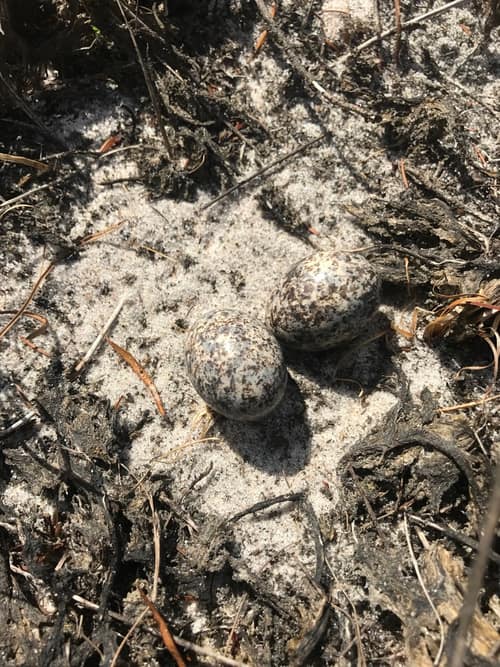
Family Relative (c) Pete Diamond, some rights reserved (CC BY), uploaded by Pete Diamond · cc-by
Help improve the field guideSomething wrong?
Checking your Fauna account…Report a name, category, or profile issue for review.