
Plant
Salvia mexicana
Salvia mexicanaAlso known as Mexican Sage
Salvia mexicana is a tall, shrubby perennial that sends up dense spikes of deep cobalt-blue, tubular flowers from late summer into autumn. Native to forest edges and uplands across central Mexico, its blooms emerge from prominent lime-green or purplish calyces that stay colorful even after the petals drop. Square stems and opposite, slightly aromatic leaves mark its place in the mint family, while a specialized lever-like stamen mechanism dusts pollen onto visiting hummingbirds and long-tongued bees.
FloweringPerennialPollinator-Friendly
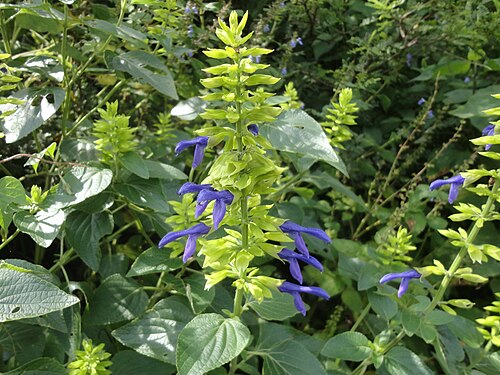
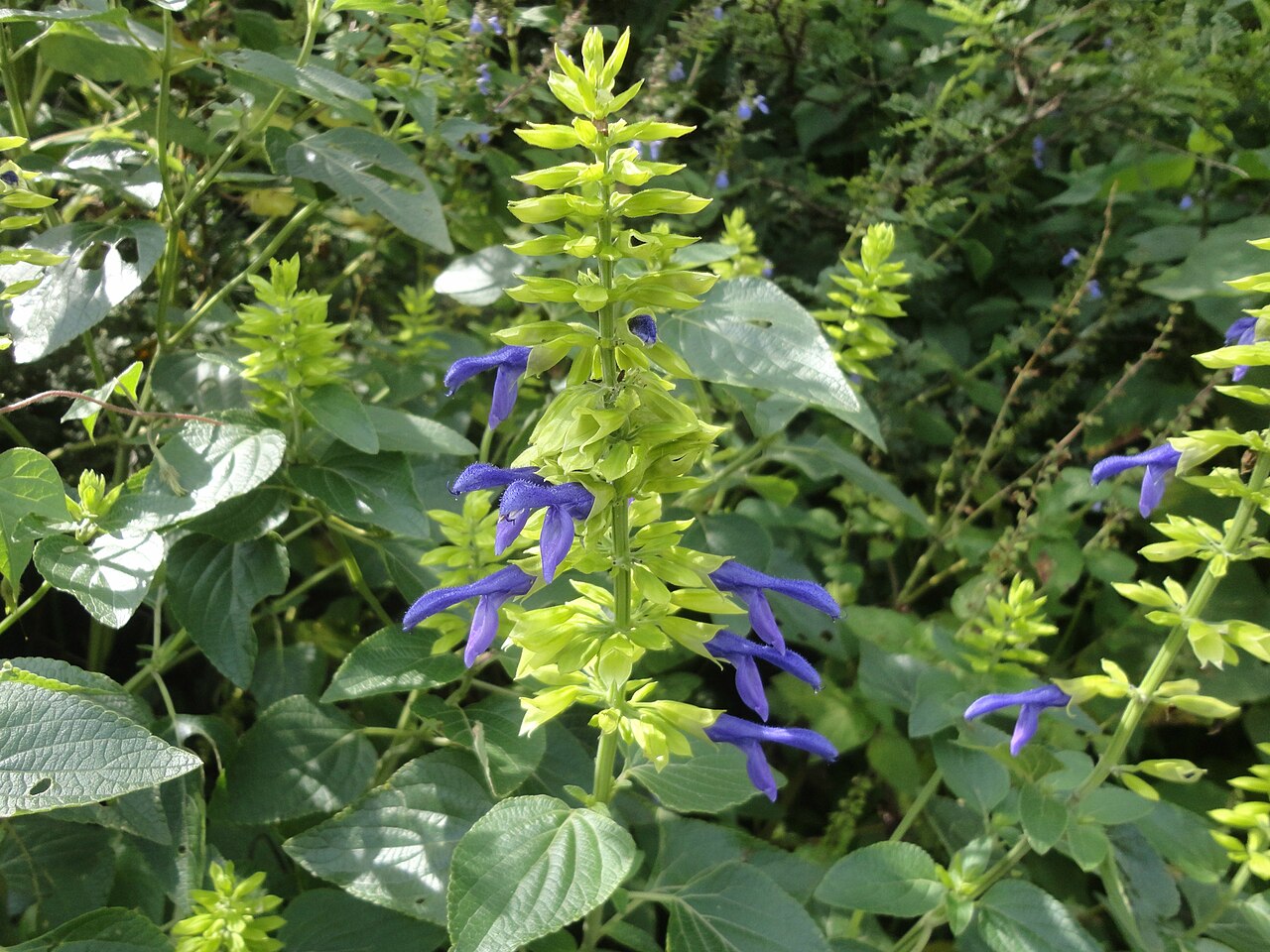
—observations
—countries
—peak records
Not EvaluatedConservation statusIUCN Red List categoriesLCNTVUENCREWEXNot Evaluated — not placed on the risk ladderRed List categories, explained →
Diet & preyPhotosynthetic autotroph; absorbs water and mineral nutrients from well-drained soils
Predators
- White-tailed deer
- Aphids
- Spider mites
ThreatsHabitat conversion for agriculture and urban growth, overgrazing, and altered fire regimes
HabitatsForest edges, pine-oak woodlands, tropical uplands, and arid subtropical scrub in central Mexico (800–2,600 m elevation)
Life spanPerennial; typically 5–10 years in suitable conditions
Classification
- FamilyLamiaceae
- SpeciesSalvia mexicana
Range data is not available yet.
Interaction riskLow
- Low
- Moderate
- High
- Very high
- Why interaction risk is low
- Safe to observe at a normal distance.
Responsible observation
- Check the calyx: Look for the papery green or purplish cup holding each blue flower.
- Watch for pollinators: Wait quietly near blooming spikes in late morning to spot visiting hummingbirds.
- Inspect the stems: Notice the square-angled stems and opposite leaves typical of the mint family.
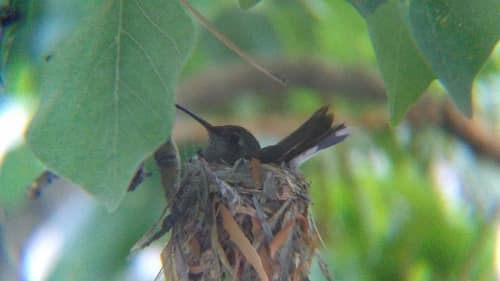
Pollinator (c) Arturo Crespo Moctezuma, some rights reserved (CC BY) · cc-by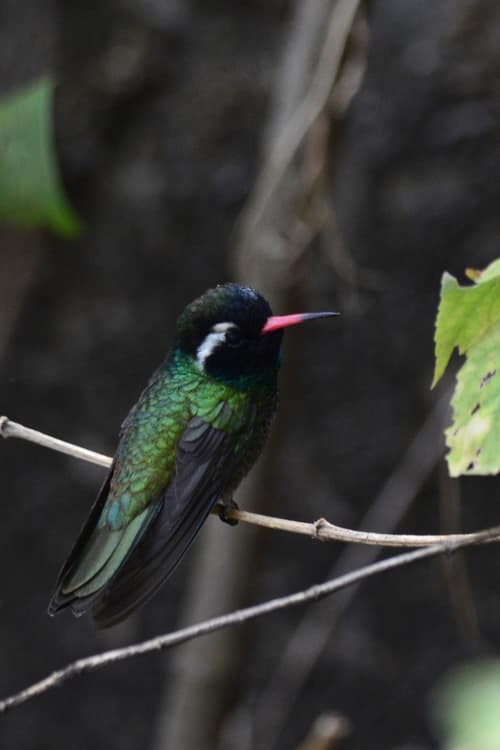
Pollinator (c) Amado Demesa, some rights reserved (CC BY-SA), uploaded by Amado Demesa · cc-by-sa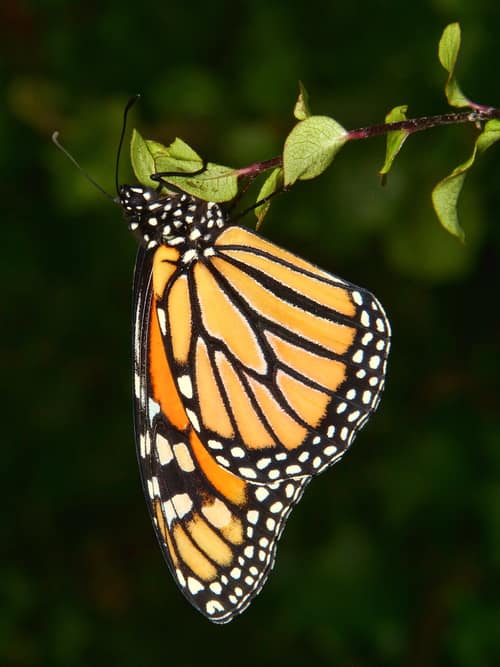
Pollinator Sid Mosdell from New Zealand / CC BY 2.0 · cc-by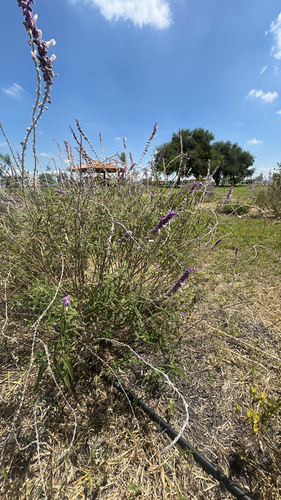
Close Relative no rights reserved · cc0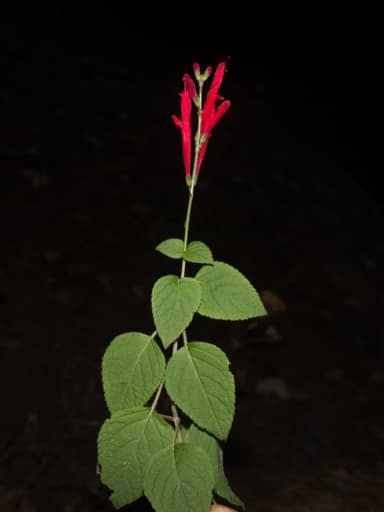
Close Relative (c) Ángela Patricia Rojas Cortés, some rights reserved (CC BY-SA), uploaded by Ángela Patricia Rojas Cortés · cc-by-sa
Help improve the field guideSomething wrong?
Checking your Fauna account…Report a name, category, or profile issue for review.