
Fungus · GBIF taxon 8100161
Field Bolete
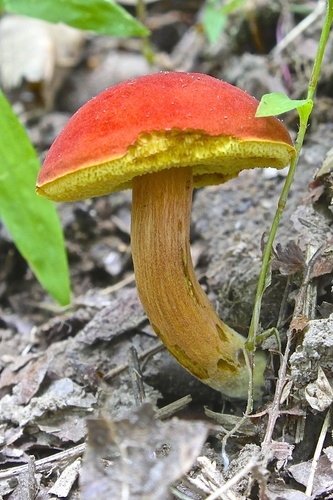
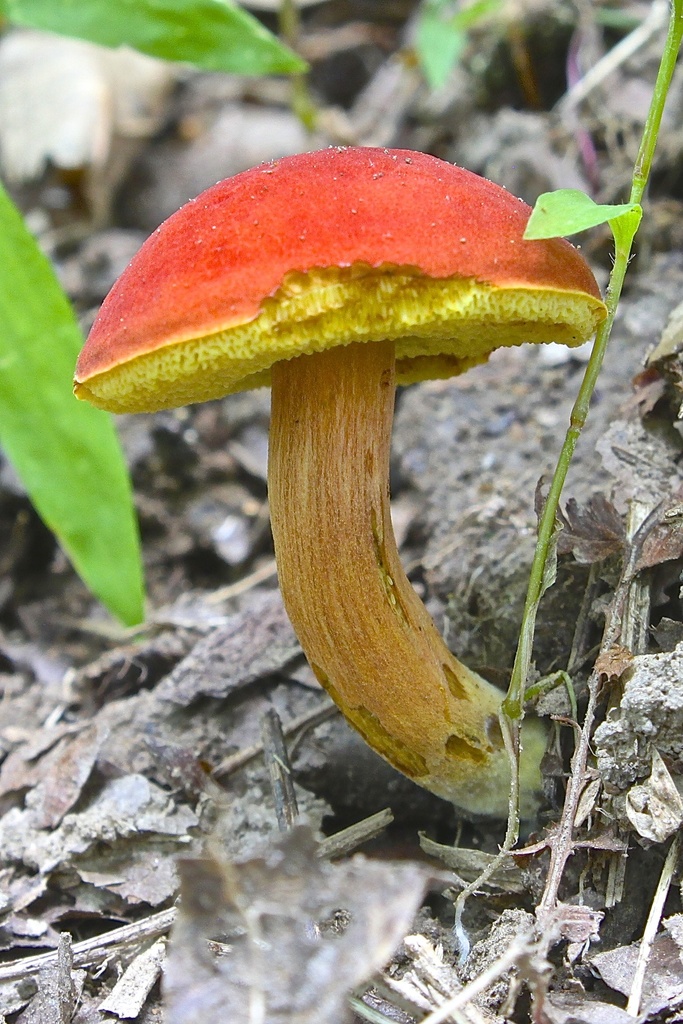
Hortiboletus campestrisField boletes emerge in grassy parks, urban lawns, and open oak woodlands during late summer and autumn warm spells. Their dry, convex caps range from warm brownish-pink to dull red, fading slightly as the fruiting body matures. Beneath the cap, a pale yellow sponge-like surface slowly turns faint blue-green when bruised, revealing the delicate chemical shifts typical of many bolete fungi.
FungusMycorrhizalUrban Wildlife
 1 / 7
1 / 7—observations
—countries
—peak records
Not EvaluatedConservation statusIUCN Red List categoriesLCNTVUENCREWEXNot Evaluated — not placed on the risk ladderRed List categories, explained →
Diet & prey
- Mycorrhizal and saprotrophic
Predators
- Slugs
- Fungus gnats
- Squirrels
ThreatsExcessive chemical fertilizer use, frequent lawn mowing
HabitatsLawns, grassy field edges, parks, open hardwood forests
Life spanFruiting body lasts 3–7 days; mycelium persists indefinitely
Classification
- OrderBoletales
- FamilyBoletaceae
- GenusHortiboletus
- SpeciesHortiboletus campestris
Range data is not available yet.
Interaction riskLow
- Low
- Moderate
- High
- Very high
- Why interaction risk is low
- Many wild mushrooms have toxic look-alikes; never eat wild fungi based on app identification alone.
Responsible observation
- Observation: Look closely at the yellow pores on the cap underside.
- Pore bruising: Gently touch the pores to watch for a slow blue reaction.
- Habitat scanning: Search grassy park margins near hardwood trees in late summer.
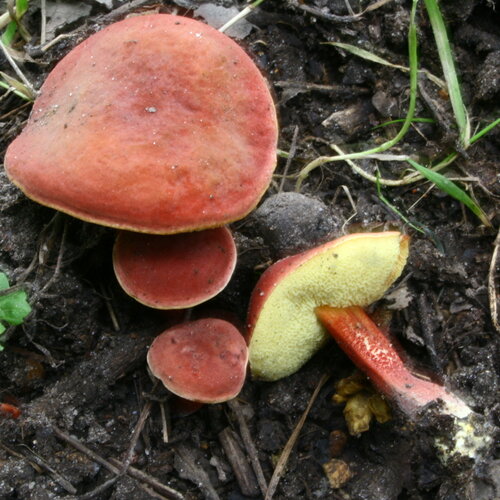
Close Relative (c) Strobilomyces, some rights reserved (CC BY-SA) · cc-by-sa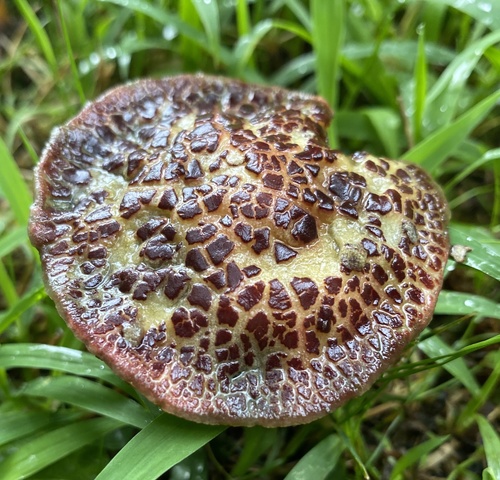
Close Relative (c) Dani Holmes, some rights reserved (CC BY) · cc-by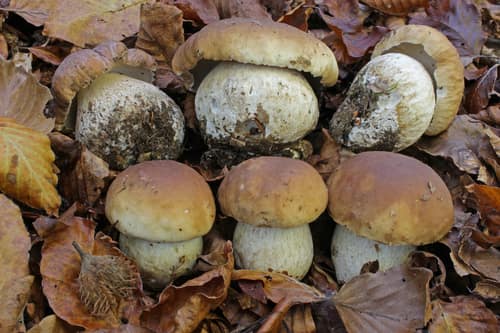
Family Member (c) Davide Puddu, some rights reserved (CC BY), uploaded by Davide Puddu · cc-by
Keep collecting in Fauna
Found in Collections
Species set Pro
Fungi Forager
Field Bolete is found in this collection. Identify it in Fauna to fill this slot and continue your progress.
Unlock to track progress
Help improve the field guideSomething wrong?
Checking your Fauna account…Report a name, category, or profile issue for review.