
Arachnid
Kangaroo Island Assassin Spider
Zephyrarchaea austiniAlso known as Kangaroo Island Pelican Spider
Kangaroo Island assassin spiders are bizarre micro-predators with an elongated neck-like cephalothorax and towering chelicerae, earning them the nickname pelican spiders. They stalk exclusively across damp leaf litter and suspended leaf detritus, hunting other small spiders by stealthily tapping silk lines with sensory hairs before skewering prey with their outstretched fangs. Confined to tiny patches of unburnt forest on northwestern Kangaroo Island, their survival hangs in the balance following catastrophic wildfires.
ArachnidEndemicEndangered
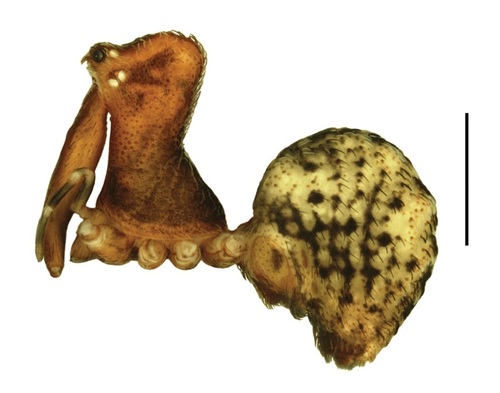
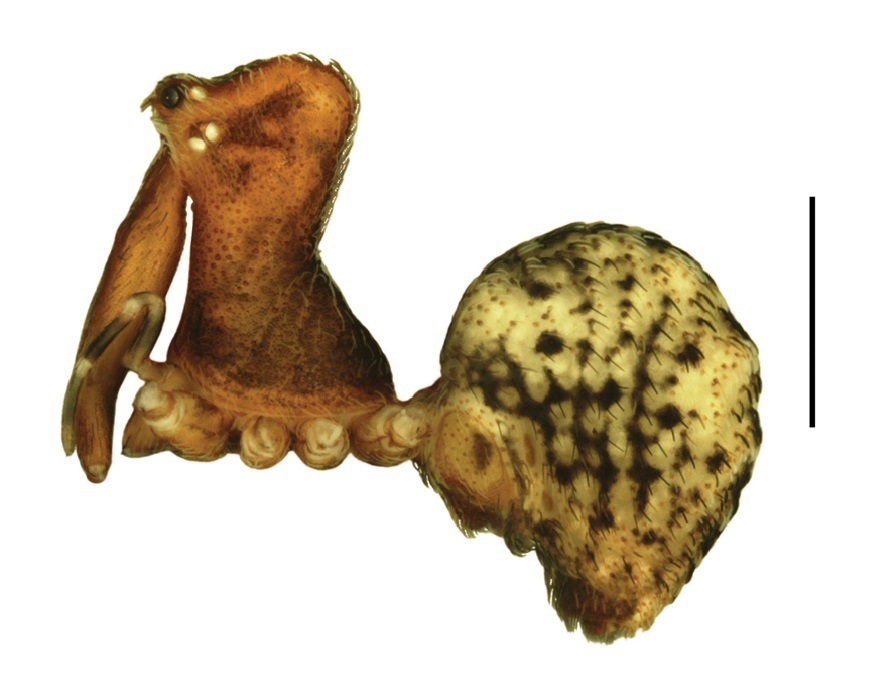
—observations
—countries
—peak records
Critically EndangeredConservation statusIUCN Red List categoriesLCNTVUENCREWEXCritically EndangeredRed List categories, explained →
Diet & preyJumping spiders, Dwarf sheet weavers, Small orb weavers
Predators
- Centipedes
- Birds
- Larger ground-dwelling spiders
ThreatsSevere bushfires, drought, habitat fragmentation, and climate change
HabitatsDense, unburnt leaf litter and elevated twig litter in temperate eucalypt forest
Life span1–2 years
Classification
- FamilyArchaeidae
- SpeciesZephyrarchaea austini
Range data is not available yet.
Interaction riskLow
- Low
- Moderate
- High
- Very high
- Why interaction risk is low
- Harmless to humans and safe to observe at a normal distance.
- What to notice
- Look for a minute, reddish-brown spider under 3 mm with an astonishingly elevated neck and fangs folded against it.
- Support conservation
- Never disturb or sift through refuge litter; photograph in place without touching or displacing debris.
Responsible observation
- Look in microhabitats: Carefully inspect elevated clusters of dead leaves hanging in low understory foliage.
- Minimize ground impact: Avoid trampling or disturbing fragile, unburnt deep leaf litter layers.
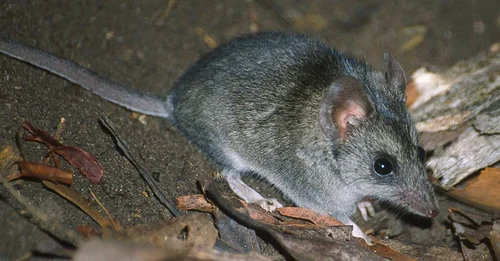
Neighbor Kangaroo Island Landscape Board / CC BY 3.0 au · cc-by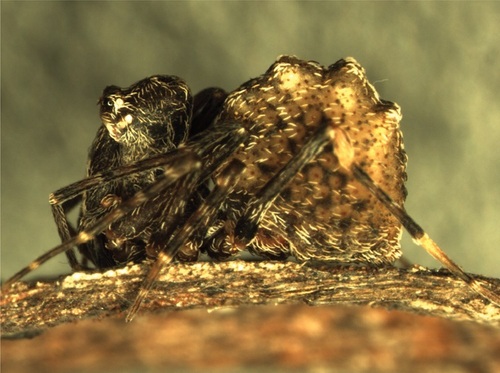
Close Relative (c) Michael G. Rix and Mark S. Harvey, some rights reserved (CC BY) · cc-by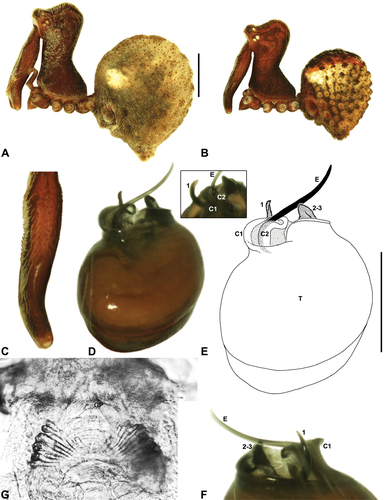
Close Relative (c) Michael G. Rix and Mark S. Harvey, some rights reserved (CC BY) · cc-by
Help improve the field guideSomething wrong?
Checking your Fauna account…Report a name, category, or profile issue for review.