
Plant
Black Oak
Quercus velutinaAlso known as Eastern Black Oak, Yellow Oak, Smoothbark Oak
Black oak dominates upland forests across eastern North America with its dark, deeply furrowed outer bark and bright yellow inner bark. Its glossy leaves feature five to seven bristle-tipped lobes that turn rich shades of red and bronze in autumn. Deep root systems allow this canopy tree to thrive on dry, sandy ridges where other hardwoods struggle.
TreeDeciduousCanopy
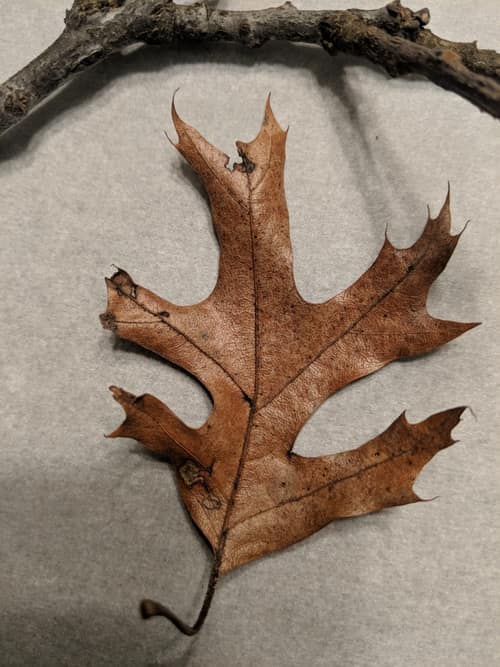
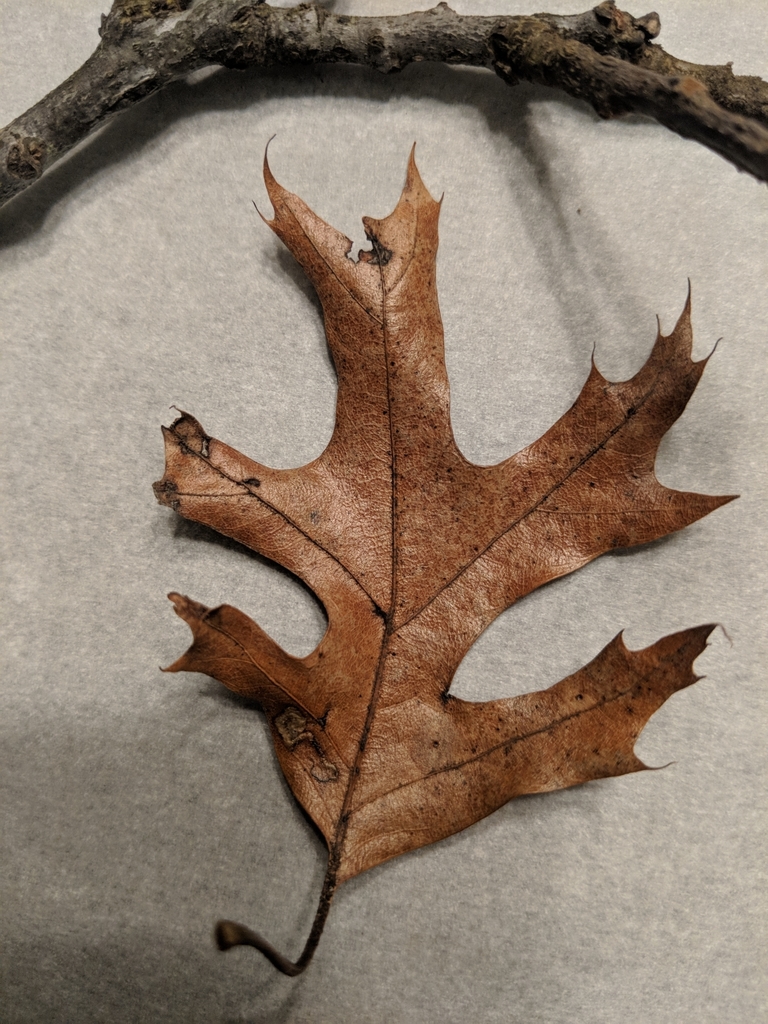
—observations
—countries
—peak records
Least ConcernConservation statusIUCN Red List categoriesLCNTVUENCREWEXLeast ConcernRed List categories, explained →
Diet & preySunlight, Water, Soil minerals
Predators
- Gall wasps
- Gypsy moth caterpillars
- Oak wilt fungus
ThreatsOak wilt, gypsy moth defoliation, severe drought, and fire suppression
HabitatsUpland hardwood forests, dry sandy slopes, ridges, and open woodlands
Life span150–200 years
Classification
- OrderFagales
- FamilyFagaceae
- GenusQuercus
- SpeciesQuercus velutina
Range data is not available yet.
Interaction riskHigh
- Low
- Moderate
- High
- Very high
- Why interaction risk is high
- Safe to observe at a normal distance.
Responsible observation
- Identify by Bark: Look for dark, blocky outer bark with bright yellow inner bark visible in fissures.
- Examine Acorns: Look for a bowl-shaped, scaly cap covering about half of the rounded nut.
- Check the Leaves: Observe glossy dark green upper surfaces with bristle tips on each lobe.
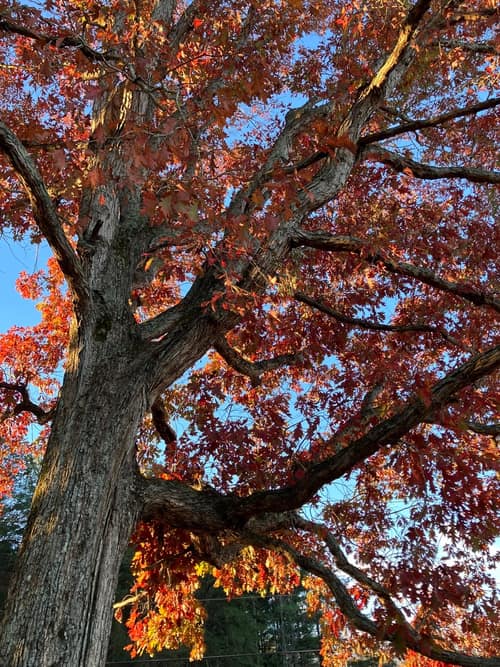
Co-Occurring Oak (c) Alicia Ballard, some rights reserved (CC BY) · cc-by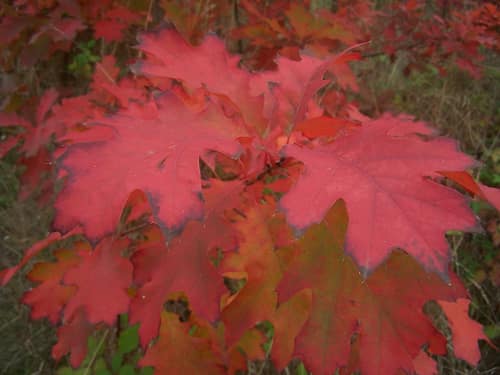
Close Relative no rights reserved · cc0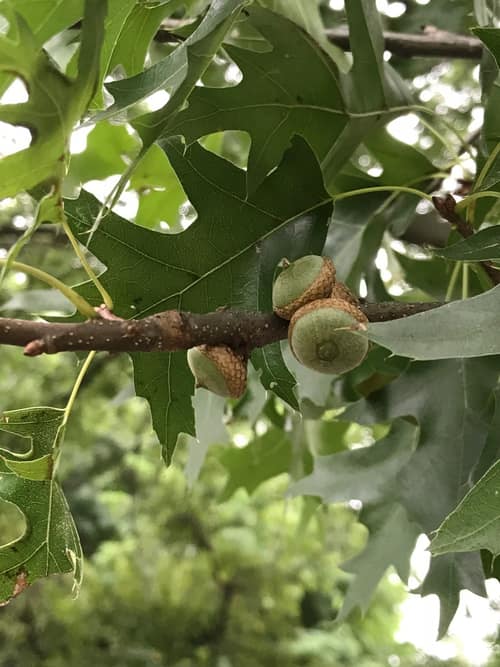
Close Relative (c) Sandy Wolkenberg, some rights reserved (CC BY), uploaded by Sandy Wolkenberg · cc-by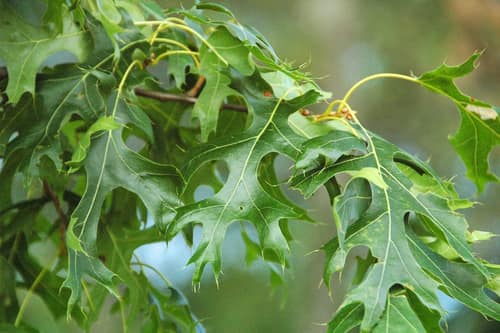
Close Relative James St. John / CC BY 2.0 · CC BY 2.0
Keep collecting in Fauna
Found in Collections
Ecosystem chain
The Forest Floor
Black Oak is found in this collection. Identify it in Fauna to fill this slot and continue your progress.
—/12
Help improve the field guideSomething wrong?
Checking your Fauna account…Report a name, category, or profile issue for review.