
Plant
Tall Thistle
Cirsium altissimumAlso known as Roadside Thistle
Tall Thistle towers above surrounding meadow vegetation, reaching impressive heights while displaying pale pink to deep purple flower heads. Unlike many non-native thistles, its leaf undersides are densely coated in soft white felt, while the upper leaf surfaces remain green and largely unlobed. Native pollinators rely heavily on its abundant summer nectar, while songbirds harvest the fluffy seeds in early autumn.
NativeFloweringPollinator Friendly
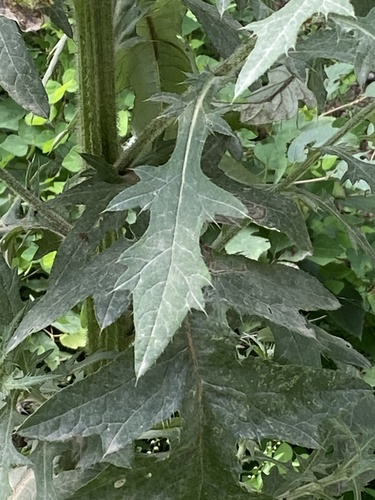
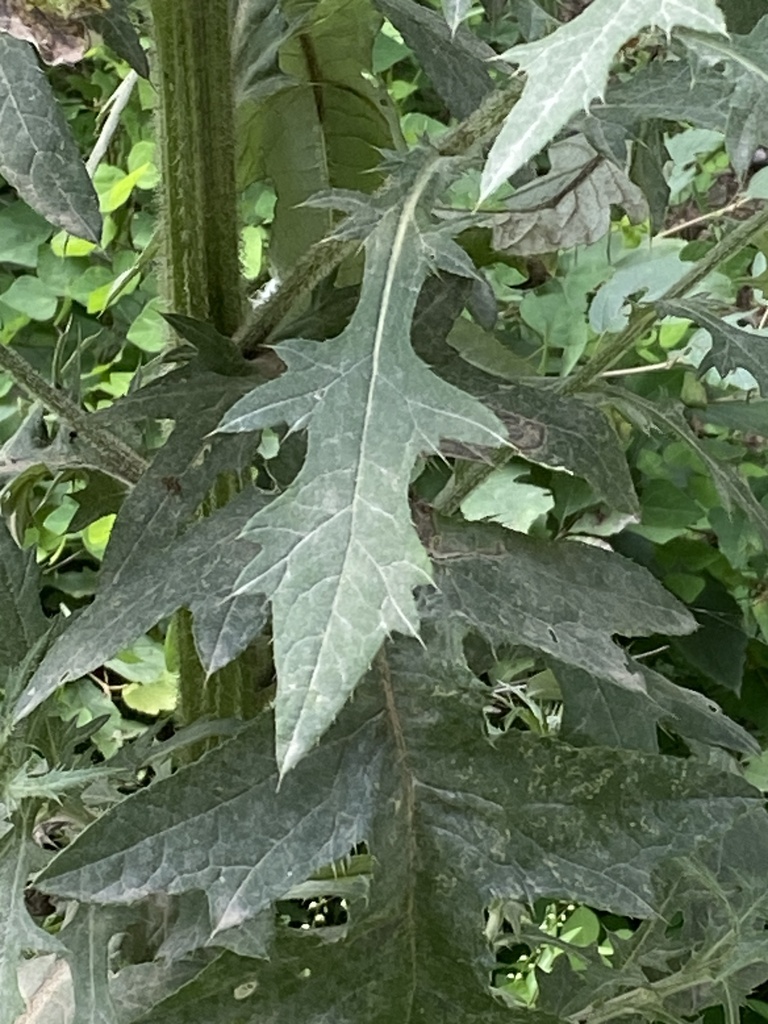
—observations
—countries
—peak records
Least ConcernConservation statusIUCN Red List categoriesLCNTVUENCREWEXLeast ConcernRed List categories, explained →
Diet & preyAutotrophic (Photosynthesis)
Predators
- American Goldfinch
- Painted Lady Caterpillar
- Mammalian Herbivores
ThreatsHabitat destruction, broadcast herbicide spraying, competition from non-native thistles
HabitatsOpen woodlands, forest edges, prairies, pastures, roadsides
Life span2–3 years
Classification
- OrderAsterales
- FamilyAsteraceae
- GenusCirsium
- SpeciesCirsium altissimum
Range data is not available yet.
Interaction riskLow
- Low
- Moderate
- High
- Very high
- Why interaction risk is low
- Sharp spines on stems and leaves can prick skin; wear gloves if handling.
Responsible observation
- Identification: Check leaf undersides for dense white hair and shallowly lobed leaves to confirm native identity.
- Observation: Watch flower heads during sunny summer days to spot a variety of native bees and butterflies feeding.
- Landscape Value: Retain in naturalized areas to support native pollinators and seed-eating songbirds.
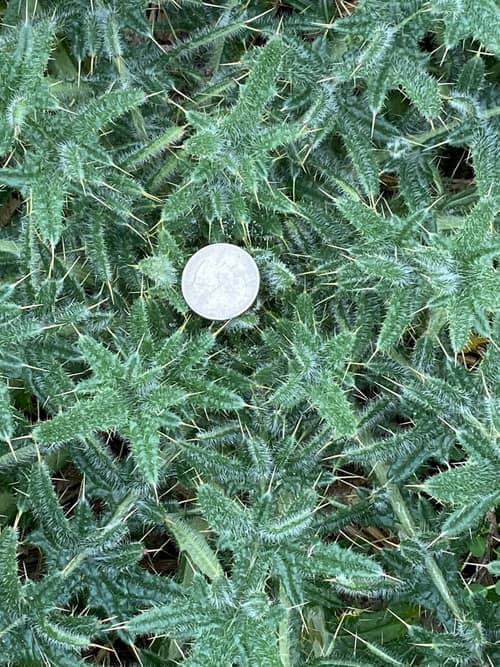
Invasive Look-Alike (c) Sandy Wolkenberg, some rights reserved (CC BY), uploaded by Sandy Wolkenberg · cc-by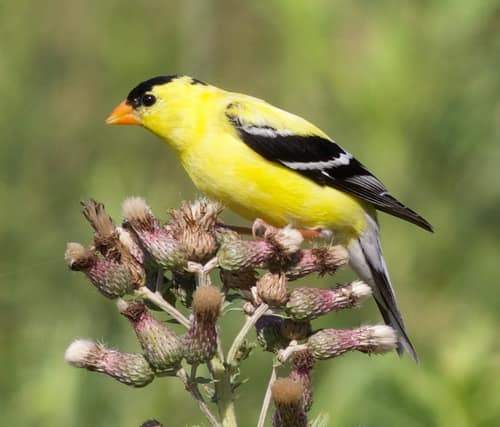
Seed Consumer no rights reserved, uploaded by Glenn Berry · cc0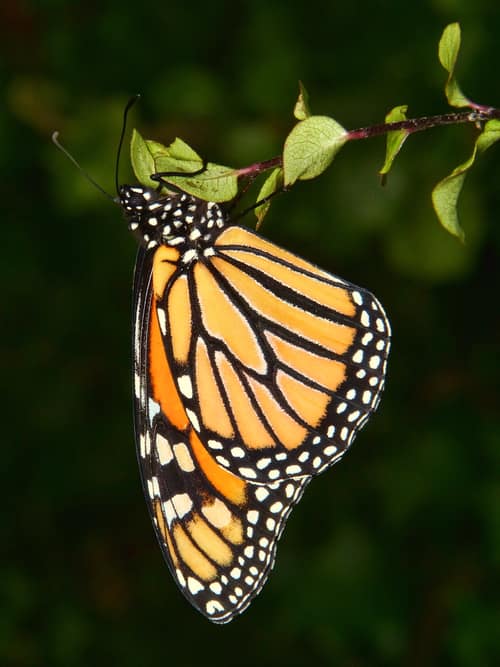
Pollinator Sid Mosdell from New Zealand / CC BY 2.0 · cc-by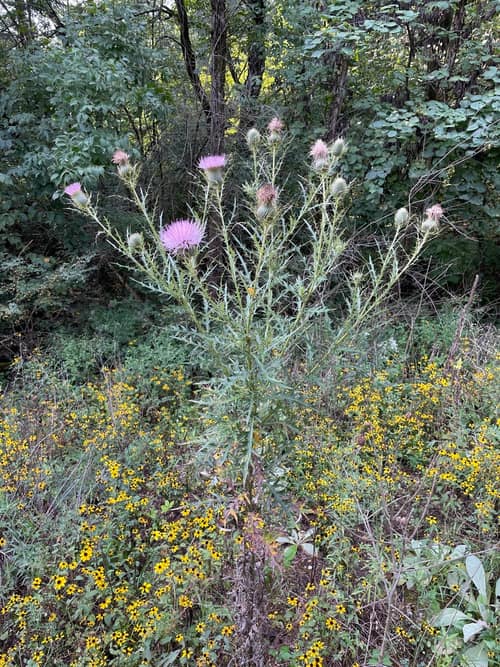
Close Relative no rights reserved, uploaded by Kurt Odendahl · cc0
Help improve the field guideSomething wrong?
Checking your Fauna account…Report a name, category, or profile issue for review.