
Species
Turtle Grass Foram
Archaias angulatusAlso known as Angulate Foram
Turtle grass forams are giant, single-celled marine protists that construct intricate, disc-shaped calcium carbonate shells. They thrive in sunlit tropical shallows, clinging in vast numbers to seagrass blades where they harbor symbiotic green algae that nourish them through photosynthesis. Upon dying, their accumulated chalky skeletons form a major component of the gleaming white carbonate sands found across Caribbean and Floridian shorelines.
MarineMicroscopicEpiphytic
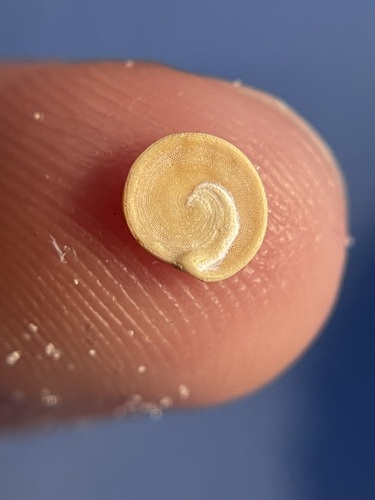
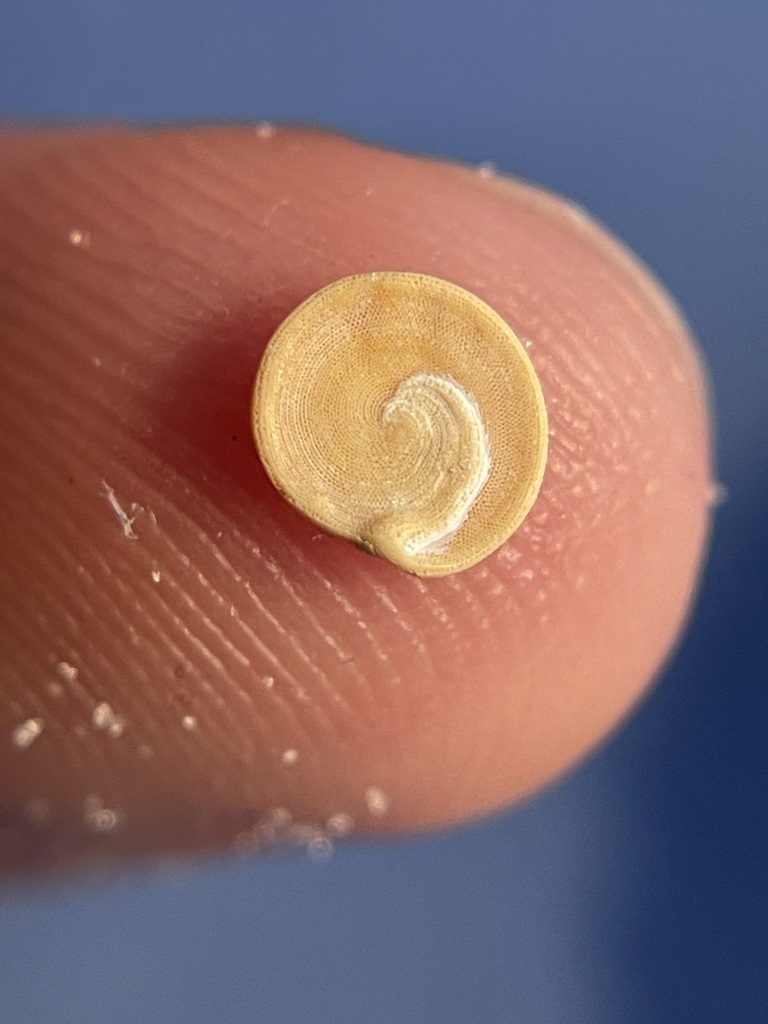
—observations
—countries
—peak records
Not EvaluatedConservation statusIUCN Red List categoriesLCNTVUENCREWEXNot Evaluated — not placed on the risk ladderRed List categories, explained →
Diet & preyBenthic Diatoms, Marine Bacteria, Dissolved Organic Matter
Predators
- Variegated Sea Urchin
- Bucktooth Parrotfish
- Benthic Grazing Snails
ThreatsOcean acidification, sea surface warming, coastal runoff, and seagrass habitat degradation
HabitatsShallow tropical lagoons, coral reef flats, and seagrass meadows
Life spanSeveral months to 1 year
Classification
- FamilySoritidae
- SpeciesArchaias angulatus
Range data is not available yet.
Interaction riskLow
- Low
- Moderate
- High
- Very high
- Why interaction risk is low
- Safe to observe at a normal distance.
Responsible observation
- Inspection: Examine the broad flat leaves of turtle grass in clear, shallow water using a hand lens.
- Handling: Leave live specimens submerged on their host grass blades to prevent rapid desiccation.
- Beachcombing: Scan fine white sand from tropical cays to spot empty, disc-shaped chalky shells.
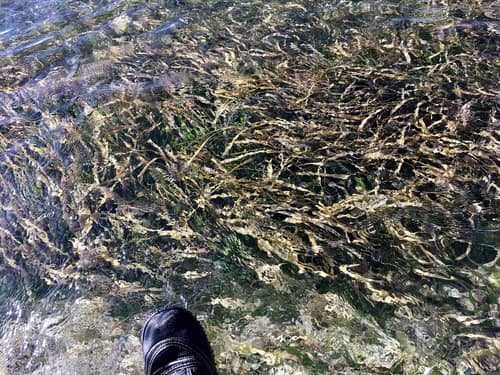
Host Plant no rights reserved · cc0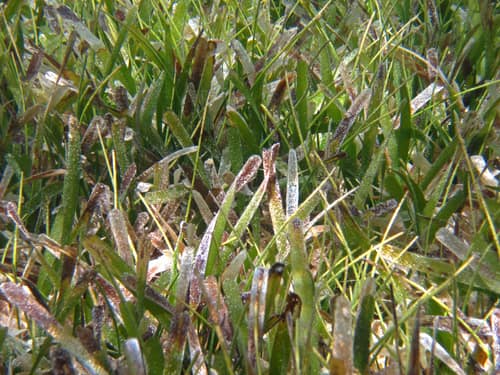
Alternative Host (c) James St. John, some rights reserved (CC BY) · cc-by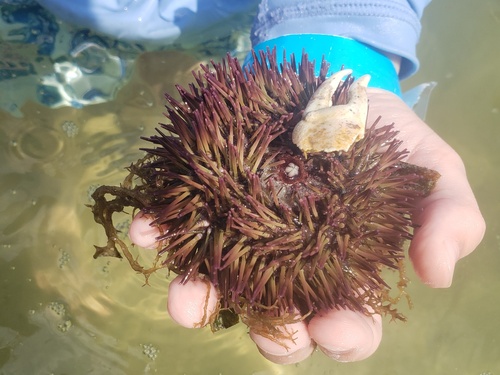
Predator (c) Jody Shugart, some rights reserved (CC BY) · cc-by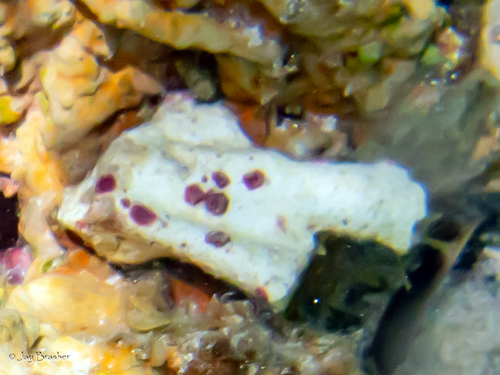
Same Phylum (c) Jay Brasher, some rights reserved (CC BY) · cc-by
Help improve the field guideSomething wrong?
Checking your Fauna account…Report a name, category, or profile issue for review.