
Plant · GBIF taxon 8073364
Bog Blueberry
Vaccinium uliginosumAlso known as Bog Bilberry, Northern Bilberry, Alpine Blueberry, Whortleberry
Bog blueberries are low-growing deciduous shrubs that thrive in acidic, waterlogged soils across arctic and alpine tundras. Their glaucous, bluish-green leaves fade to vibrant shades of red and gold each autumn, while small bell-shaped pinkish flowers bloom in early summer. The dark blue, frosted berries serve as a crucial autumn food source for northern wildlife ranging from brown bears to migrating birds.
BorealDeciduous ShrubBerries
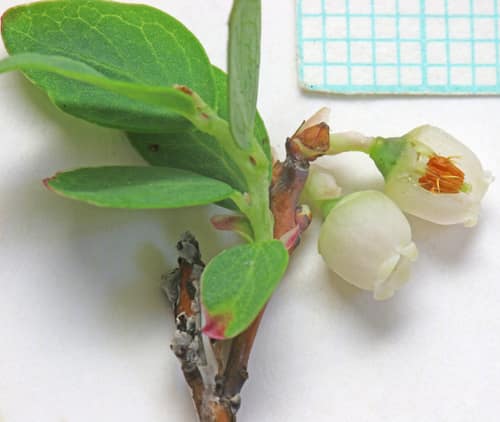
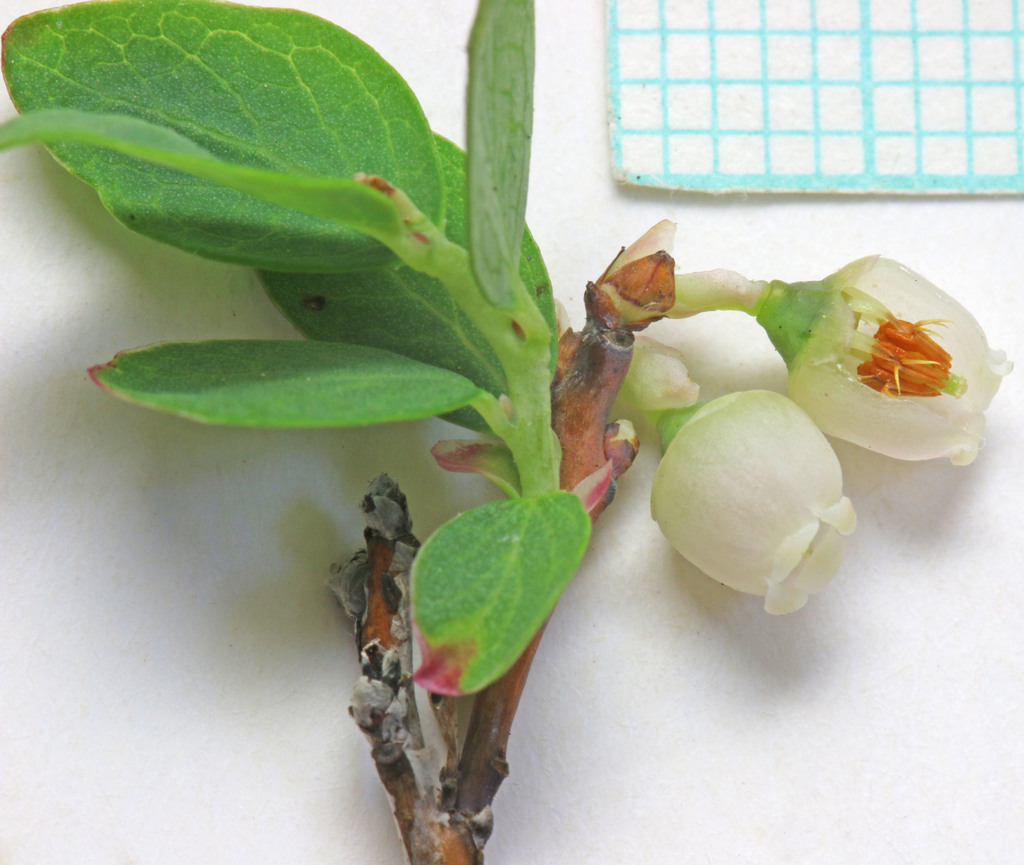
Licensed reference(c) Andrey Zharkikh, some rights reserved (CC BY) · cc-by
—observations
—countries
—peak records
Least ConcernConservation statusIUCN Red List categoriesLCNTVUENCREWEXLeast ConcernRed List categories, explained →
Diet & prey
- Autotrophic (photosynthesis)
Predators
- Brown Bears
- Ptarmigans
- Voles
ThreatsClimate warming, peatland degradation
HabitatsAcidic bogs, tundra, wet heathlands, alpine meadows
Life span20–50+ years
Size / weightNot available
Classification
- OrderEricales
- FamilyEricaceae
- GenusVaccinium
- SpeciesVaccinium uliginosum
Range data is not available yet.
Interaction riskLow
- Low
- Moderate
- High
- Very high
- Why interaction risk is low
- Wild berries have toxic look-alikes; never eat wild plants based on app identification alone.
Responsible observation
- Habitat respect: Avoid trampling fragile sphagnum mosses and alpine tundra vegetation while observing.
- Identification feature: Look for rounded untoothed leaves with pale undersides and brownish woody stems.
- Seasonal timing: Visit in mid to late summer to observe the blue berries and turning foliage.
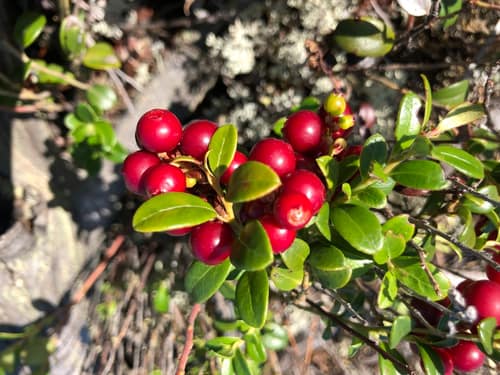
Habitat Companion (c) Valerii Glazunov, some rights reserved (CC BY), uploaded by Valerii Glazunov · cc-by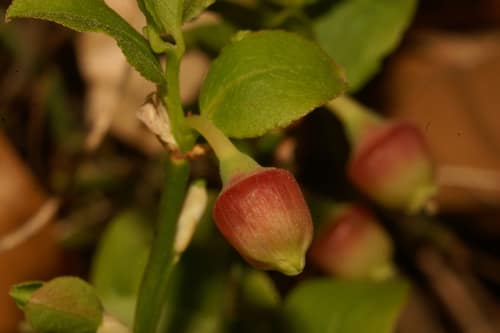
Close Relative (c) Benjamin Zwittnig, some rights reserved (CC BY) · cc-by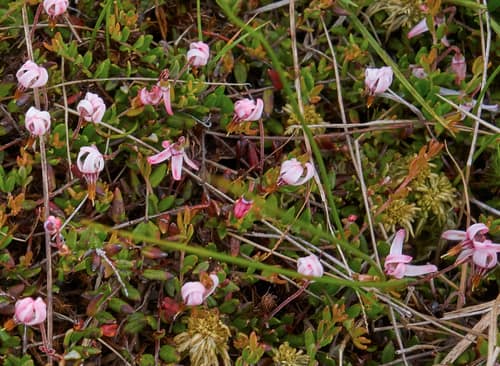
Close Relative no rights reserved, uploaded by David Bird · cc0
Help improve the field guideSomething wrong?
Checking your Fauna account…Report a name, category, or profile issue for review.