
Fungus · GBIF taxon 8068867
Tinder Fungus
Fomes fomentariusAlso known as Hoof Fungus, Tinder Polypore, Ice Man Fungus, Tinder Bracket
Tinder fungus forms tough, hoof-shaped brackets that cling to the sides of weakened or dying hardwoods, particularly birch and beech. Famous for its fibrous interior layer known as amadou, humans have harvested this fungus for thousands of years to preserve embers and manufacture felt-like garments. Within forest ecosystems, it breaks down tough lignin to produce soft white rot, creating crucial roosting cavities for woodland birds and insects.
Wood-DecayingBracket FungusPerennial
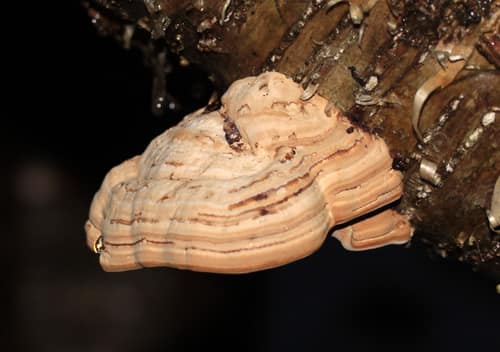
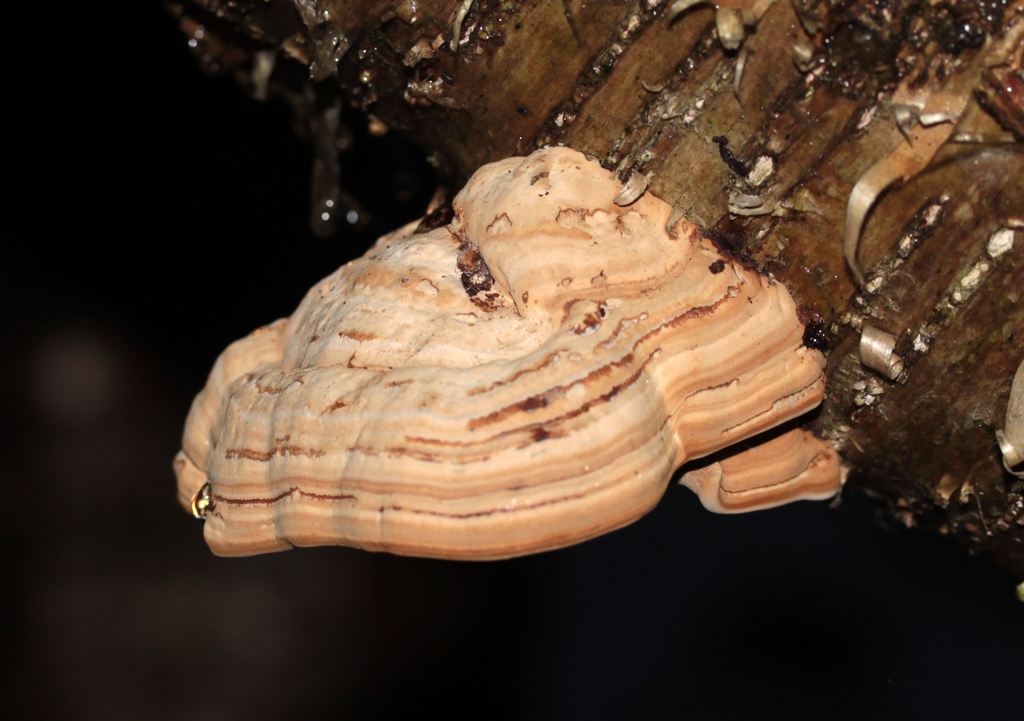 1 / 7
1 / 7—observations
—countries
—peak records
Not EvaluatedConservation statusIUCN Red List categoriesLCNTVUENCREWEXNot Evaluated — not placed on the risk ladderRed List categories, explained →
Diet & prey
- Hardwood timber
- Birch wood
- Beech wood
Predators
- Fungus beetles
- Darkling beetles
- Moth larvae
ThreatsRemoval of old-growth trees and standing deadwood
HabitatsTemperate deciduous forests and boreal woodlands
Life spanPerennial (fruit bodies survive 10–30 years)
Size / weightNot available
Classification
- OrderPolyporales
- FamilyPolyporaceae
- GenusFomes
- SpeciesFomes fomentarius
Range data is not available yet.
Interaction riskLow
- Low
- Moderate
- High
- Very high
- Why interaction risk is low
- Many edible mushrooms have toxic look-alikes; never eat wild fungi based on app identification alone.
Responsible observation
- Observation: Look for the distinctive hoof shape growing horizontally from birch or beech trunks.
- Identification: Feel the hard, woody outer crust, which features concentric growth ridges marking each year.
- Conservation: Leave living brackets attached to deadwood to support specialized forest insects.
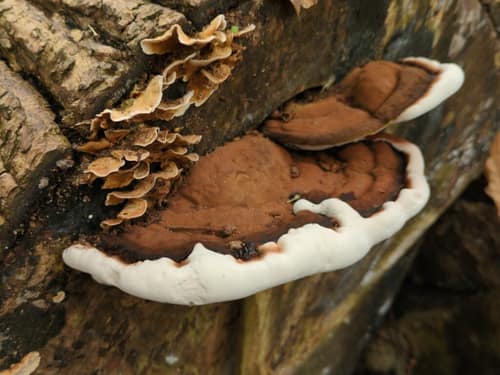
Similar Polypore no rights reserved · cc0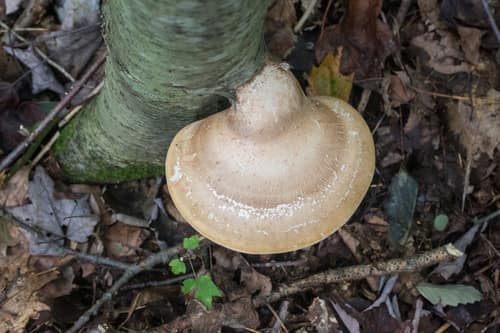
Ecological Companion (c) Richard Jacob, some rights reserved (CC BY), uploaded by Richard Jacob · cc-by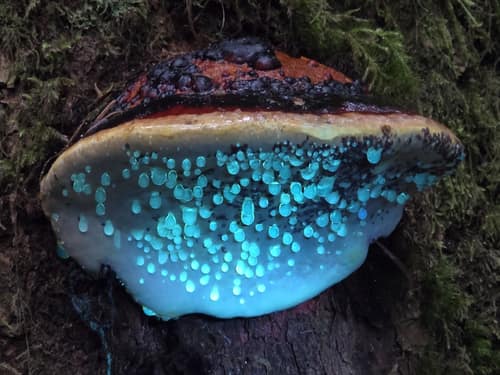
Similar Polypore (c) Alan Rockefeller, some rights reserved (CC BY) · cc-by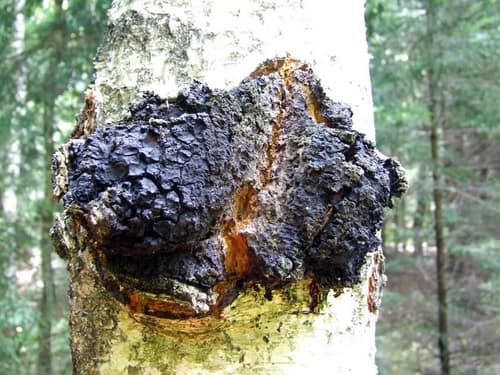
Ecological Companion Tocekas / CC BY-SA 3.0 · cc-by-sa
Keep collecting in Fauna
Found in Collections
Ecosystem chain Pro
Secret Garden
Tinder Fungus is found in this collection. Identify it in Fauna to fill this slot and continue your progress.
Unlock to track progress
Help improve the field guideSomething wrong?
Checking your Fauna account…Report a name, category, or profile issue for review.