
Fungus
Layered Cup
Peziza variaAlso known as Spreading Brown Cup Fungus, Palomino Cup, Recurved Cup, Common Cup Fungus
Layered cup fungi produce brittle, saucer- to cup-shaped fruiting bodies that often become contorted and wavy as they mature in dense clusters. They act as essential saprotrophs, breaking down rotting hardwood logs, damp sawdust, rich soil, and even moist human materials like wet drywall or basement carpet. When disturbed by a stray breeze or a gentle tap, a mature cup can discharge thousands of microscopic spores at once in a faint, visible puff of white mist.
FungusDecomposerSpore Disperser
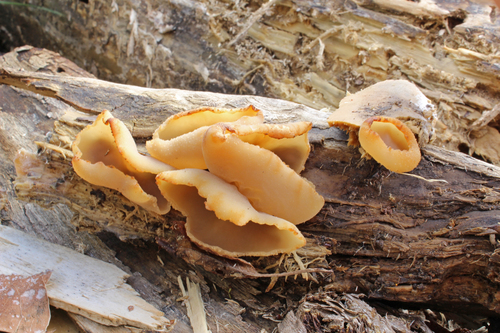
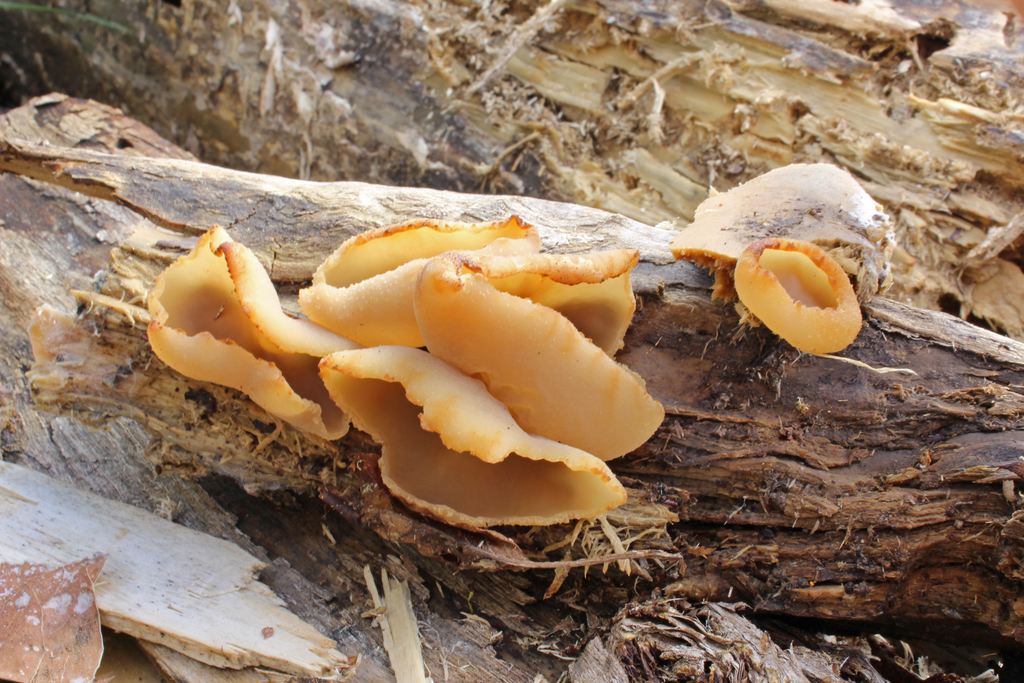
—observations
—countries
—peak records
Not EvaluatedConservation statusIUCN Red List categoriesLCNTVUENCREWEXNot Evaluated — not placed on the risk ladderRed List categories, explained →
Diet & preySaprophytic (decomposing dead wood, mulch, compost, and cellulose-rich debris)
Predators
- Fungus Gnat Larvae
- Slugs
- Springtails
ThreatsHabitat desiccation, severe drought, and removal of deadwood substrates
HabitatsDeciduous woodlands, woodchip mulch beds, rotting logs, gardens, and damp indoor spaces
Life span1–4 weeks (fruiting body); perennial mycelium
Classification
- OrderPezizales
- FamilyPezizaceae
- GenusPeziza
- SpeciesPeziza varia
Range data is not available yet.
Interaction riskLow
- Low
- Moderate
- High
- Very high
- Why interaction risk is low
- Many wild fungi have toxic look-alikes; never eat wild fungi based on app identification alone.
Responsible observation
- Observe Spore Puffs: Gently blowing on a fresh, mature cup can trigger a visible cloud of spores releasing all at once.
- Examine Tissue Layers: Inspecting a torn cross-section under a hand lens reveals the distinct multi-layered flesh characteristic of the species.
- Indoor Inspection: Finding these fruiting indoors indicates chronic dampness or active water damage in nearby wood or drywall.
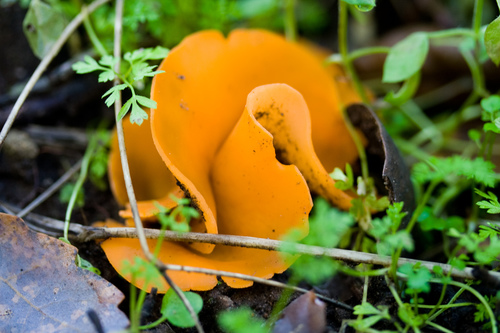
Look-alike (c) Ken-ichi Ueda, some rights reserved (CC BY) · cc-by Image unavailable
Look-alike 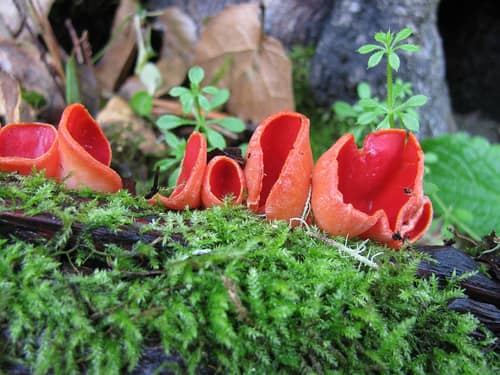
Same Order This image was created by user Ryane Snow (snowman) at Mushroom Observer, a source for mycological images.You can contact this user here. / CC BY-SA 3.0 · cc-by-sa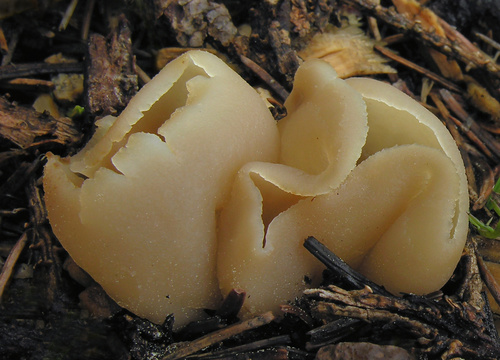
Close Relative (c) Andreas Kunze, some rights reserved (CC BY-SA) · cc-by-sa
Help improve the field guideSomething wrong?
Checking your Fauna account…Report a name, category, or profile issue for review.