
Plant · GBIF taxon 8041842
Washington Hawthorn
Crataegus phaenopyrumAlso known as Washington Thorn
Washington hawthorn lights up eastern North American woodlands each spring with dense corymbs of creamy white blossoms that attract a diverse array of native pollinators. In late autumn, its lustrous triangular leaves turn brilliant shades of scarlet and orange, revealing heavy clusters of glossy red pomes that persist well into winter. The dense crown and formidable woody thorns offer critical nesting protection for songbirds against prowling mammalian predators.
DeciduousFloweringBird Friendly
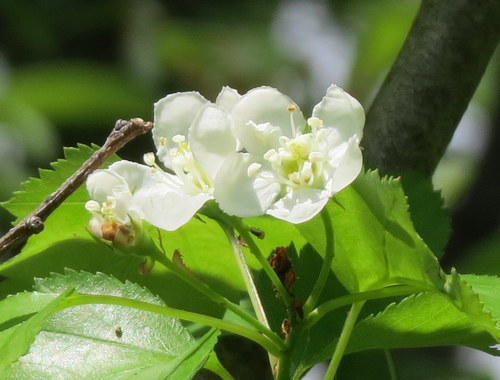
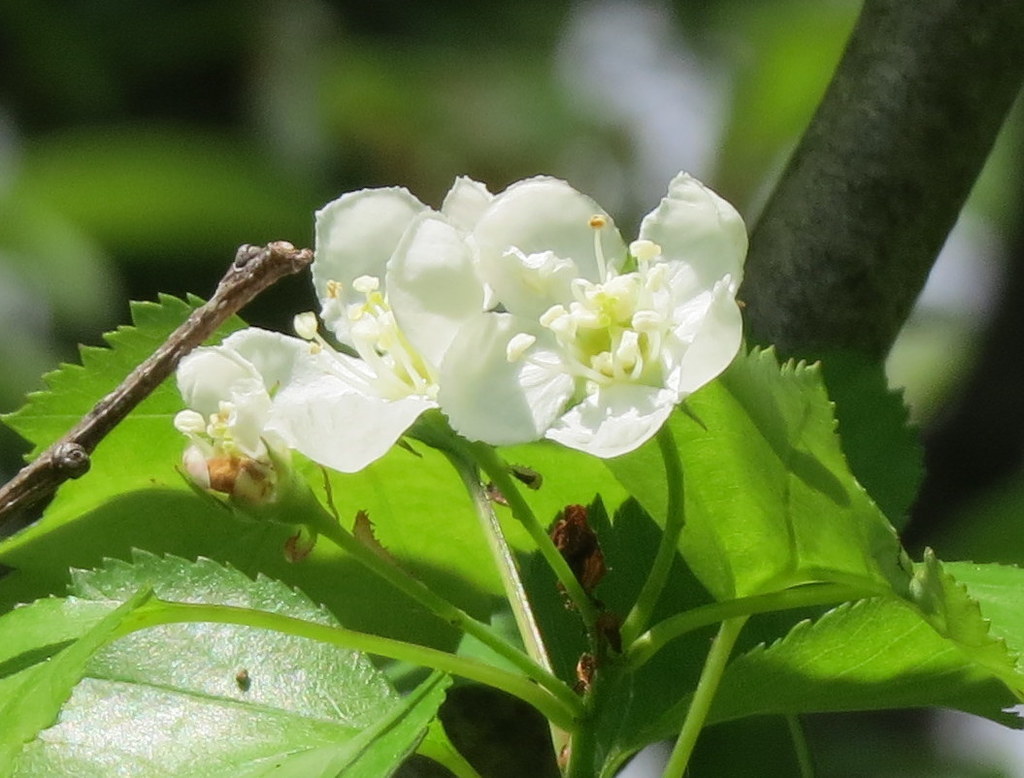
—observations
—countries
—peak records
Least ConcernConservation statusIUCN Red List categoriesLCNTVUENCREWEXLeast ConcernRed List categories, explained →
Diet & prey
- Autotrophic (photosynthetic)
Predators
- Cedar-Hawthorn Rust Fungus
- Eastern Tent Caterpillar
- Japanese Beetle
ThreatsFire blight, fungal rusts, and land development
HabitatsDeciduous forest edges, riverbanks, thickets, and urban parks
Life span50–150 years
Classification
- OrderRosales
- FamilyRosaceae
- GenusCrataegus
- SpeciesCrataegus phaenopyrum
Range data is not available yet.
Interaction riskLow
- Low
- Moderate
- High
- Very high
- Why interaction risk is low
- Sharp branch thorns can puncture skin; wild berries have toxic look-alikes, so never eat based on app identification alone.
Responsible observation
- Pruning caution: Wear heavy leather gloves to protect against stiff, needle-sharp branch thorns.
- Winter wildlife watching: Scan fruit clusters on freezing mornings to locate flocks of foraging songbirds.
- Landscape siting: Position well away from walkways and high-traffic play areas to prevent thorn scratches.
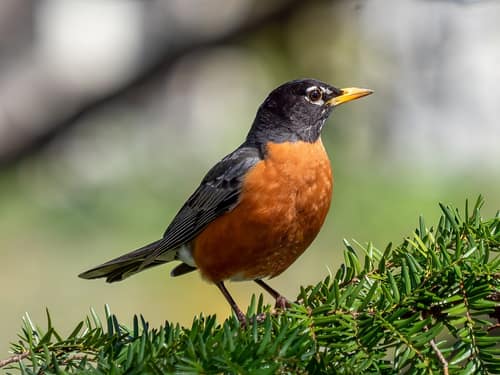
Seed Disperser Rhododendrites / CC BY-SA 4.0 · cc-by-sa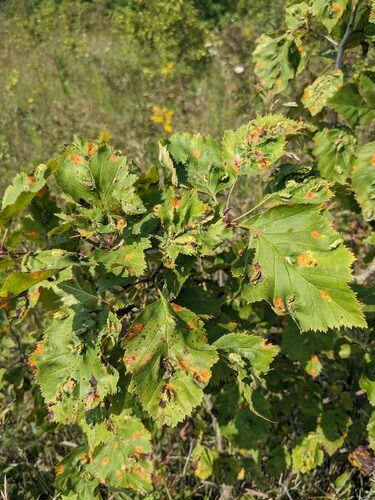
Parasite no rights reserved · cc0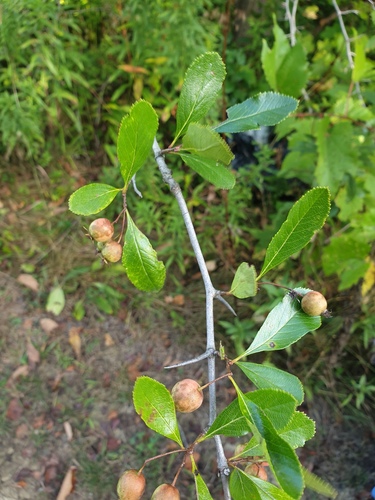
Close Relative no rights reserved, uploaded by Étienne Lacroix-Carignan · cc0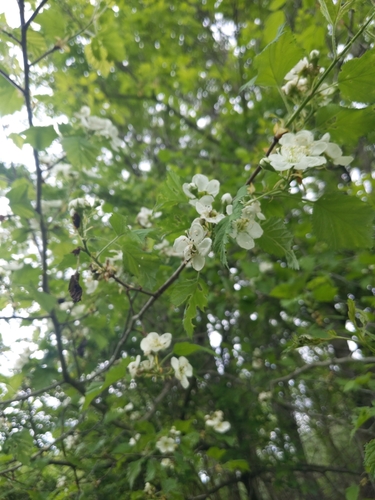
Close Relative (c) Cecil Smith, some rights reserved (CC BY) · cc-by
Help improve the field guideSomething wrong?
Checking your Fauna account…Report a name, category, or profile issue for review.