
Mammal · GBIF taxon 8028197
Central American White-faced Capuchin
Cebus imitatorAlso known as Panamanian White-faced Capuchin
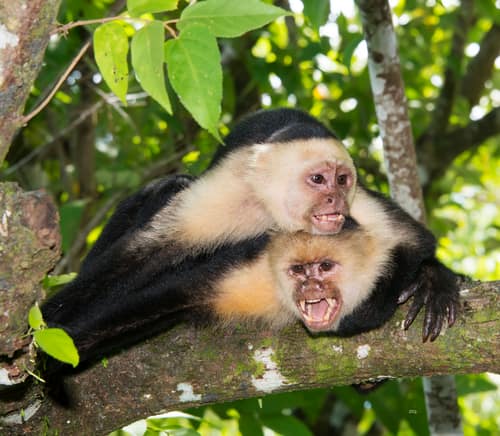
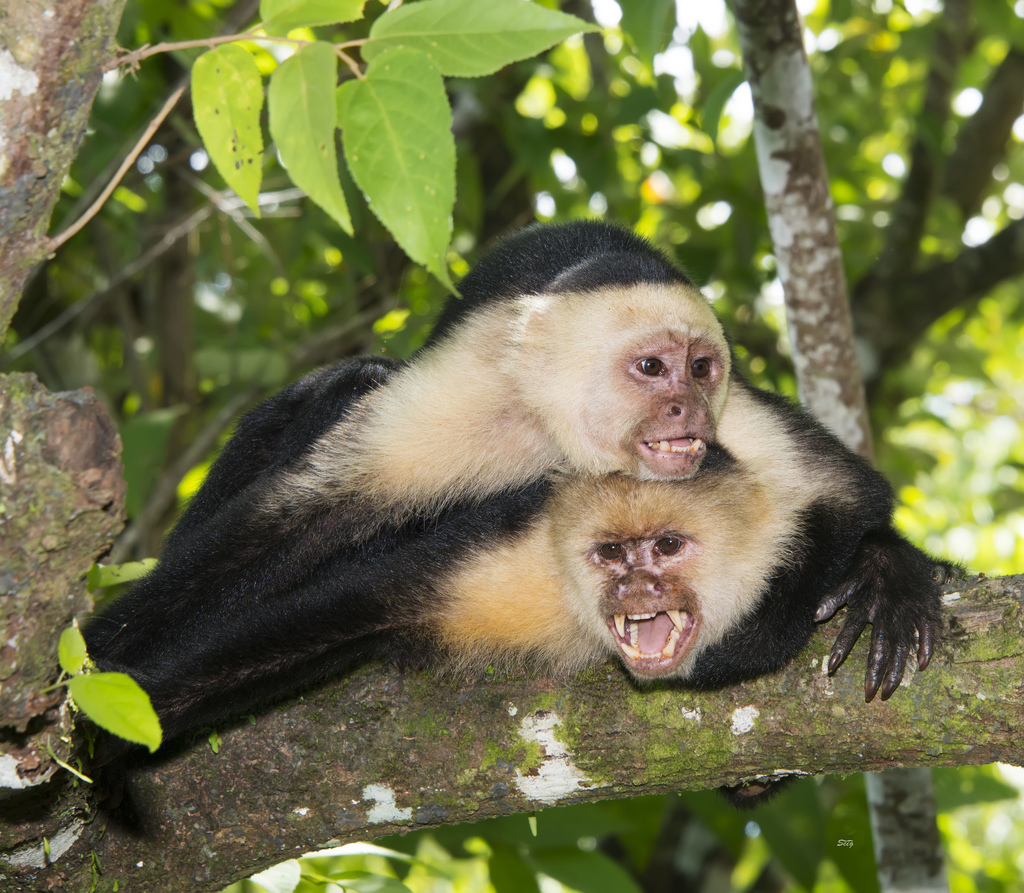
The Central American White-faced Capuchin is an intelligent monkey with a dark body, pale face and shoulders, and a partly prehensile tail. Social troops travel through several forest levels, manipulating food with nimble hands and dispersing seeds through the landscape.
Social PrimateForest CanopyTool User
—observations
—countries
—peak records
VulnerableConservation statusIUCN Red List categoriesLCNTVUENCREWEXVulnerableRed List categories, explained →
Diet & prey
- Insects
- Bird eggs
- Small vertebrates
Predators
- Harpy Eagles
- Jaguars
- Large snakes
ThreatsDeforestation, fragmentation, wildlife trade, road mortality, electrocution, and conflict caused by feeding
HabitatsTropical dry and moist forest, rainforest, mangroves, secondary forest, and forest edge
Life spanOften more than 20 years; some individuals survive beyond 30 years
Size / weightNot available
Classification
- OrderPrimates
- FamilyCebidae
- GenusCebus
- SpeciesCebus imitator
Native
Interaction riskLow
- Low
- Moderate
- High
- Very high
- Why interaction risk is low
- Habituated or cornered capuchins can bite and scratch; never feed or reach toward them.
- Why it is dangerous
- A stressed or food-conditioned capuchin can inflict deep bites and scratches and may grab loose belongings.
- How to recognize a risky encounter
- A dark body contrasts with a pale face, throat, and shoulders; the long tail often curls around branches.
- What to do
- Never feed, touch, corner, or retrieve objects directly from a monkey; back away and seek trained assistance.
- What to notice
- Observe the pale face and shoulders, dark crown and body, long tail, and coordinated social troop behavior.
- Support conservation
- Keep distance, conceal sensitive sleeping-site locations, and report trafficking without confronting people or animals.
Responsible observation
- Distance: Stay several meters away and let the troop cross freely.
- Food: Keep all snacks sealed and never offer handouts.
- Behavior: Avoid staring, reaching, or displaying loose objects.
Keep collecting in Fauna
Found in Collections
Species set Pro
Emerald Kingdom
Central American White-faced Capuchin is found in this collection. Identify it in Fauna to fill this slot and continue your progress.
Unlock to track progress
Help improve the field guideSomething wrong?
Checking your Fauna account…Report a name, category, or profile issue for review.