
Invertebrate
Frontonia leucas
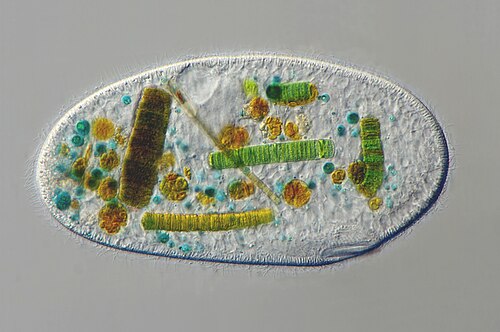
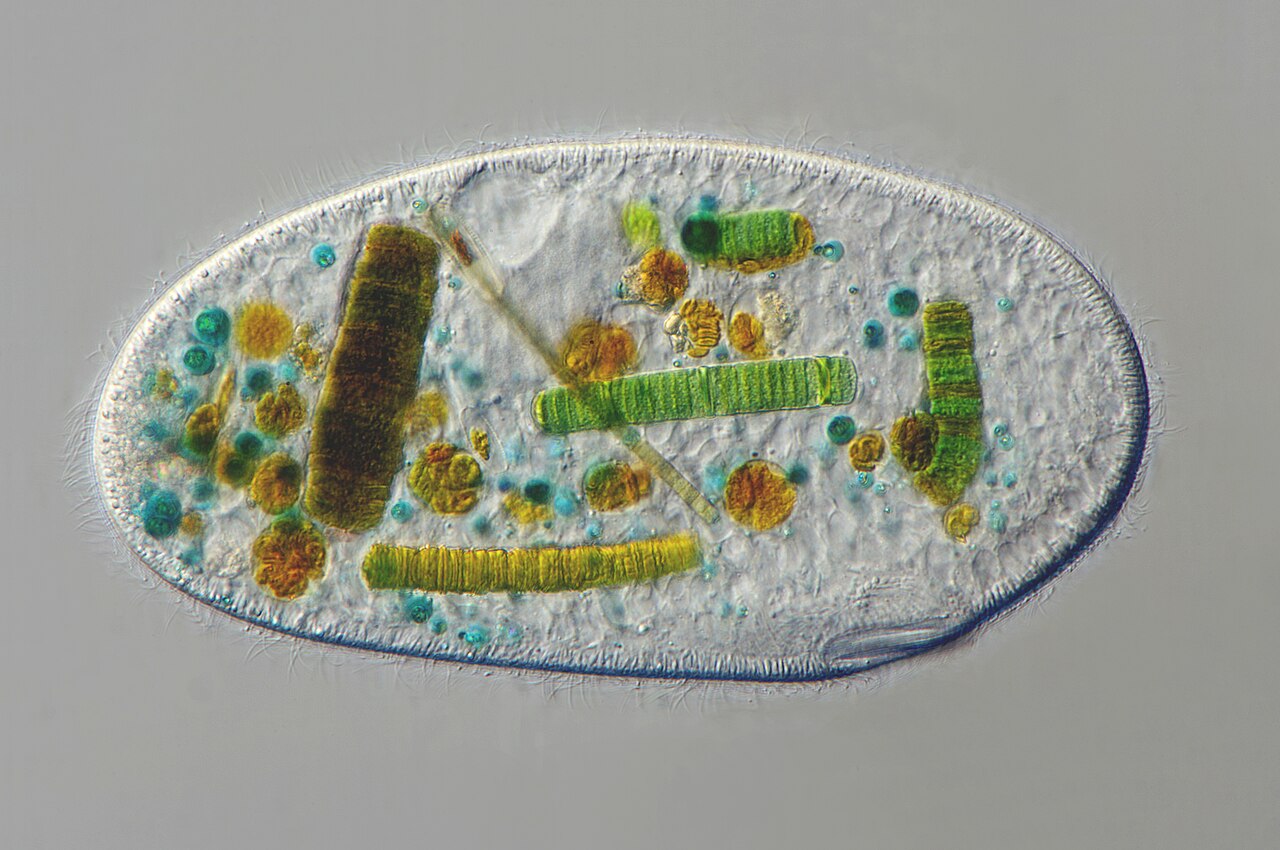
Frontonia leucasGliding smoothly through freshwater ponds and quiet ditches, this large ciliated protist uses rows of coordinated cilia to propel its distinctively cigar-shaped cell body. It feeds voraciously on microscopic algae, filamentous cyanobacteria, and smaller ciliates, engulfing prey through a prominent oral groove flanked by specialized membrane structures. Cells often appear yellowish, green, or brownish depending on recent meals and ingested photosynthetic pigments stored within internal vacuoles.
MicroscopicCiliateFreshwater
—observations
—countries
—peak records
Not EvaluatedConservation statusIUCN Red List categoriesLCNTVUENCREWEXNot Evaluated — not placed on the risk ladderRed List categories, explained →
Diet & preyDiatoms, Filamentous algae, Bacteria
Predators
- Amoebae
- Rotifers
- Turbellarian flatworms
ThreatsSevere water pollution, chemical contaminants, and severe eutrophication
HabitatsFreshwater ponds, marshes, vernal pools, and slow-moving streams
Life spanSeveral days to weeks between cell division cycles
Classification
- OrderHymenostomatida
- FamilyFrontoniidae
- GenusFrontonia
- SpeciesFrontonia leucas
Range data is not available yet.
Interaction riskLow
- Low
- Moderate
- High
- Very high
- Why interaction risk is low
- Safe to observe at a normal distance.
Responsible observation
- Microscope Preparation: Collect sediment-rich water samples from still pond margins and observe under 40x to 100x magnification.
- Lighting Adjustment: Use darkfield or oblique illumination to highlight the dense coats of somatic cilia and contractile vacuoles.
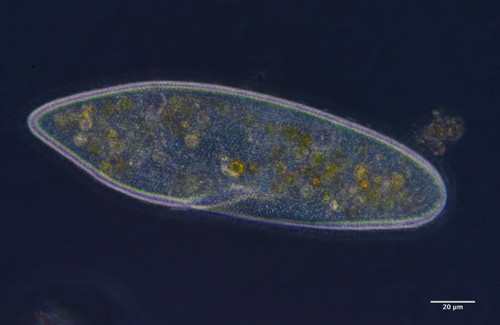
Ecological Neighbor (c) Don Loarie, some rights reserved (CC BY) · cc-by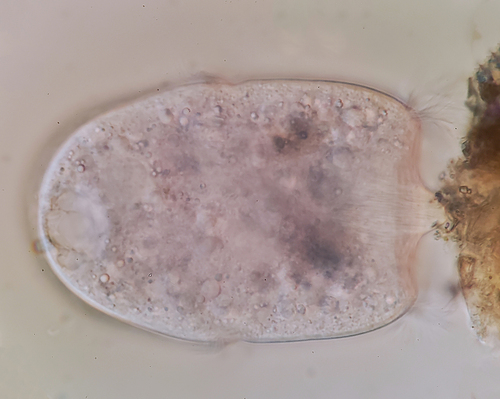
Predator žiadne práva vyhradené, uploaded by David Bird · cc0 Image unavailable
Co-occurring Ciliate
Help improve the field guideSomething wrong?
Checking your Fauna account…Report a name, category, or profile issue for review.