
Fungus
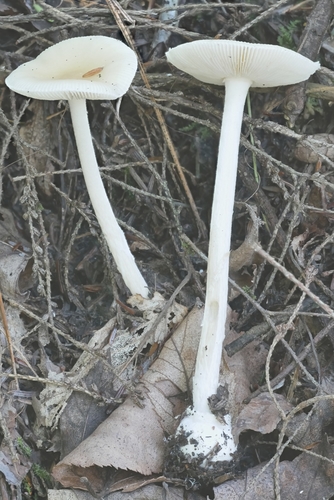
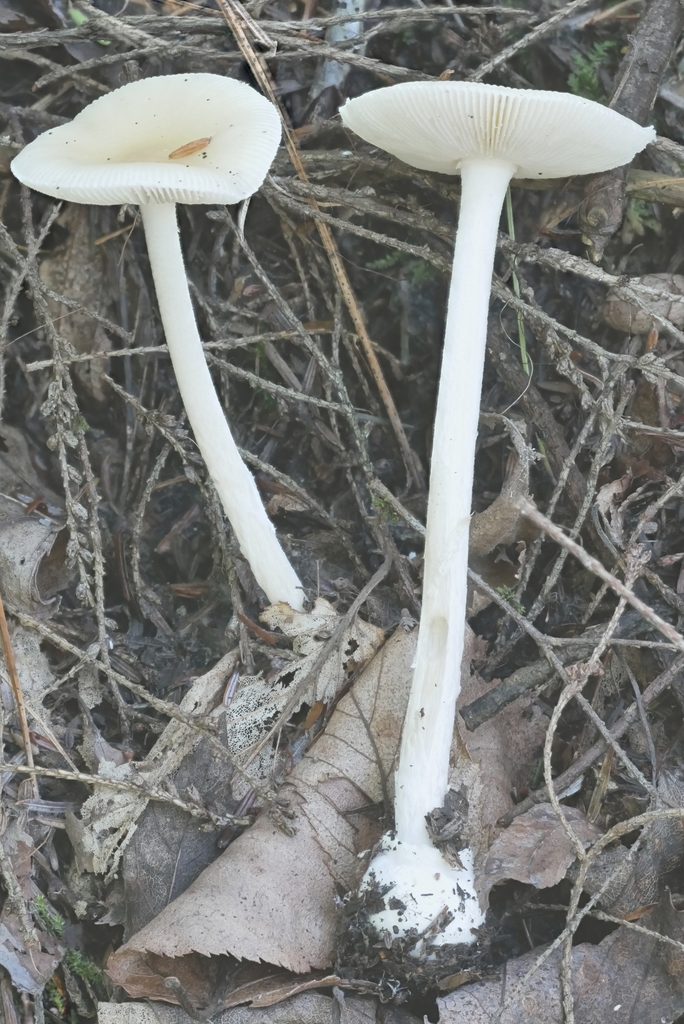
Ringless Panther
Amanita albocreataAlso known as Ringless Panther Amanita
Ringless panthers emerge from forest leaf litter during humid summer warm spells, forming essential underground partnerships with surrounding tree roots. Unlike most other amanitas that sport a prominent skirt around the mid-stem, this mushroom sheds its fragile veil early or lacks a persistent annulus entirely. Its pale, wart-flecked caps quickly catch the eye along northern woodland trails, signaling rich fungal networks woven into the soil.
WoodlandMycorrhizalPoisonous
—observations
—countries
—peak records
Not EvaluatedConservation statusIUCN Red List categoriesLCNTVUENCREWEXNot Evaluated — not placed on the risk ladderRed List categories, explained →
Diet & preyMycorrhizal
Predators
- Fungus gnat larvae
- Slugs
- Forest rodents
ThreatsHabitat loss, intensive logging, soil compaction
HabitatsDeciduous and mixed coniferous woodlands, frequently under hemlocks and hardwoods
Life spanMycelium lives for decades; individual fruiting bodies last 4–8 days
Classification
- OrderAgaricales
- FamilyAmanitaceae
- GenusAmanita
- SpeciesAmanita albocreata
Range data is not available yet.
Interaction riskHigh
- Low
- Moderate
- High
- Very high
- Why interaction risk is high
- Toxic if ingested; many edible mushrooms have toxic look-alikes, so never eat wild fungi based on app identification alone.
- Why it is dangerous
- Contains ibotenic acid and muscimol, neurotoxins that induce confusion, muscular twitches, gastrointestinal cramping, and severe delirium.
- How to recognize a risky encounter
- Look for a yellowish-cream cap with white volval patches, striate margins, and a distinct lack of a stem ring.
- What to do
- Photograph the fungus without disturbing it, and never consume wild mushrooms.
Responsible observation
- Base Observation: Carefully inspect the stem base to spot the tight, collared cup without picking the mushroom.
- Spore Study: Place a mature cap onto dark paper under a bowl to reveal the white spore print.
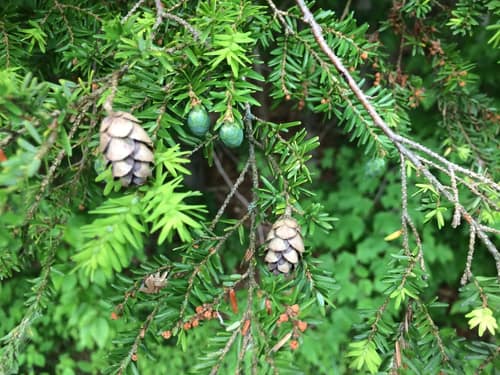
Symbiont (c) Ian Manning, some rights reserved (CC BY), uploaded by Ian Manning · cc-by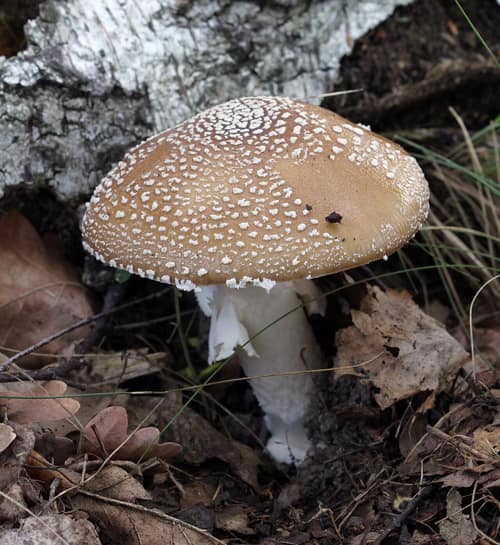
Close Relative George Chernilevsky / Public domain · cc0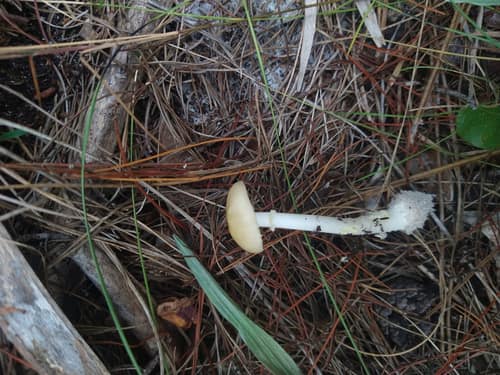
Close Relative (c) Matthew Rozanoff, some rights reserved (CC BY) · cc-by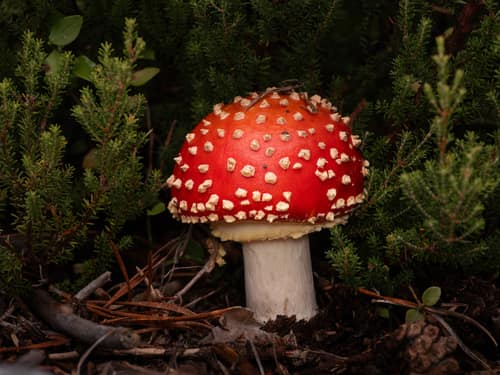
Close Relative (c) Borja Fierro, some rights reserved (CC BY), uploaded by Borja Fierro · cc-by
Keep collecting in Fauna
Found in Collections
Species set Pro
Fungi Forager
Ringless Panther is found in this collection. Identify it in Fauna to fill this slot and continue your progress.
Unlock to track progress
Help improve the field guideSomething wrong?
Checking your Fauna account…Report a name, category, or profile issue for review.