
Plant · GBIF taxon 8017915
Wingleaf Soapberry
Sapindus saponariaAlso known as Western Soapberry, Jaboncillo, Manele
Wingleaf soapberry thrives in sunny canyons and riparian borders across the warmer regions of the Americas. Its pinnately compound leaves feature distinctive winged stems, framing dense clusters of small yellow-white blossoms that attract diverse native pollinators. In autumn, trees produce translucent amber berries rich in natural saponins that lather easily in water.
Saponin-RichDeciduous TreeNative Plant
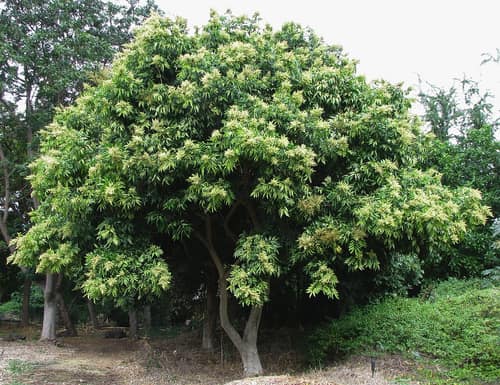
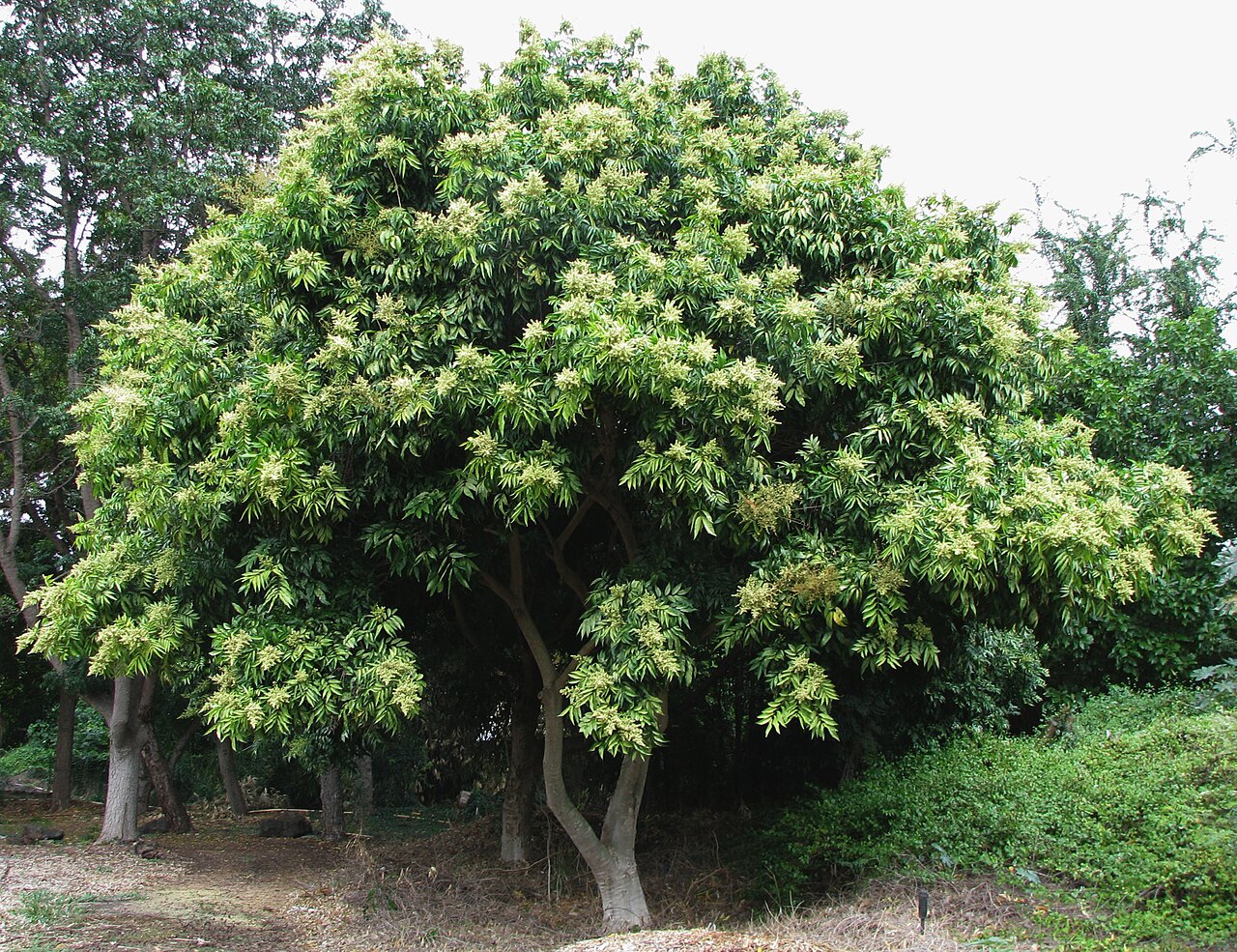
—observations
—countries
—peak records
Least ConcernConservation statusIUCN Red List categoriesLCNTVUENCREWEXLeast ConcernRed List categories, explained →
Diet & prey
- Sunlight
- Water
- Soil Minerals
Predators
- Soapberry Bug
- Leaf-Mining Beetles
- White-Tailed Deer
ThreatsLand clearing, extreme drought, invasive weed competition
HabitatsRiparian zones, limestone hills, canyon slopes, dry woodlands
Life span50–100 years
Size / weightNot available
Classification
- OrderSapindales
- FamilySapindaceae
- GenusSapindus
- SpeciesSapindus saponaria
Range data is not available yet.
Interaction riskHigh
- Low
- Moderate
- High
- Very high
- Why interaction risk is high
- Fruit pulp contains saponins that cause stomach distress; wild berries have toxic look-alikes.
- Why it is dangerous
- Concentrated saponins in the fruit pulp cause gastrointestinal inflammation, nausea, and vomiting if ingested.
- How to recognize a risky encounter
- Look for clusters of translucent, leathery yellow-amber berries containing a single hard, round black seed.
- What to do
- Avoid consuming any wild berries and wash hands after handling the saponin-filled fruits.
Responsible observation
- Lather Testing: Rub a fallen ripe berry between wet hands to produce a sudsy lather without harming the tree.
- Fruit Identification: Look for translucent, amber pulp that dries into a dark, leathery husk around a black seed.
- Foliage Inspection: Examine the central stem of compound leaves to spot the narrow green wings between leaflets.
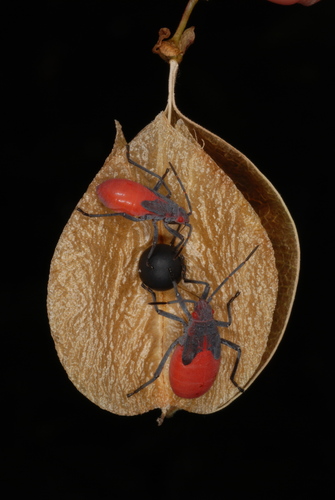
Specialized Herbivore (c) Douglas Goldman, some rights reserved (CC BY-SA), uploaded by Douglas Goldman · cc-by-sa Image unavailable
Close Relative 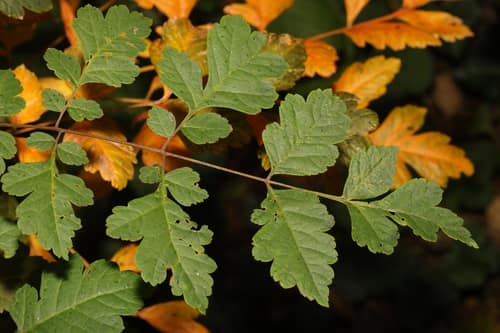
Family Member no rights reserved, uploaded by Stephen James McWilliam · cc0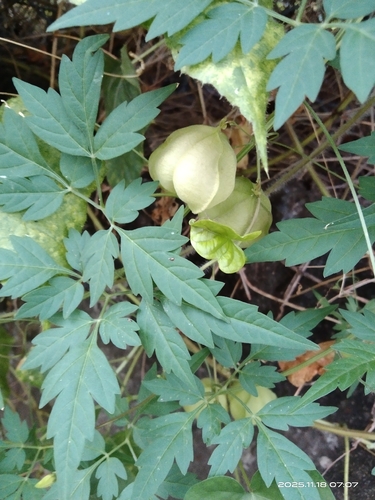
Family Member no rights reserved, uploaded by 余世文 · cc0
Help improve the field guideSomething wrong?
Checking your Fauna account…Report a name, category, or profile issue for review.