
Plant · GBIF taxon 8017230
Ussurian Pear
Pyrus ussuriensisAlso known as Harbin Pear, Manchurian Pear, Chinese Pear
Ussurian pear trees thrive in the freezing winters of Northeast Asia, developing exceptional frost hardiness down to minus forty degrees. In early spring, dense clusters of snowy white blossoms cover the canopy just as glossy green foliage emerges. Come autumn, the leaves transform into brilliant shades of purple and crimson while small round fruits drop to support local woodland mammals and birds.
TreeDeciduousSpring Flowering
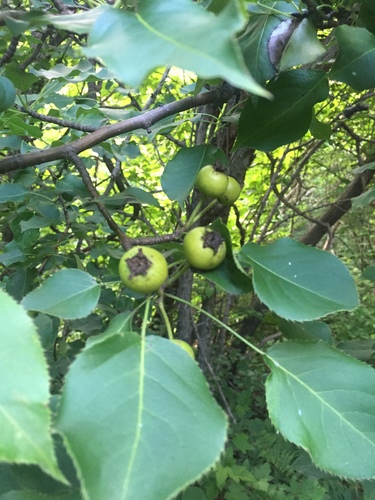
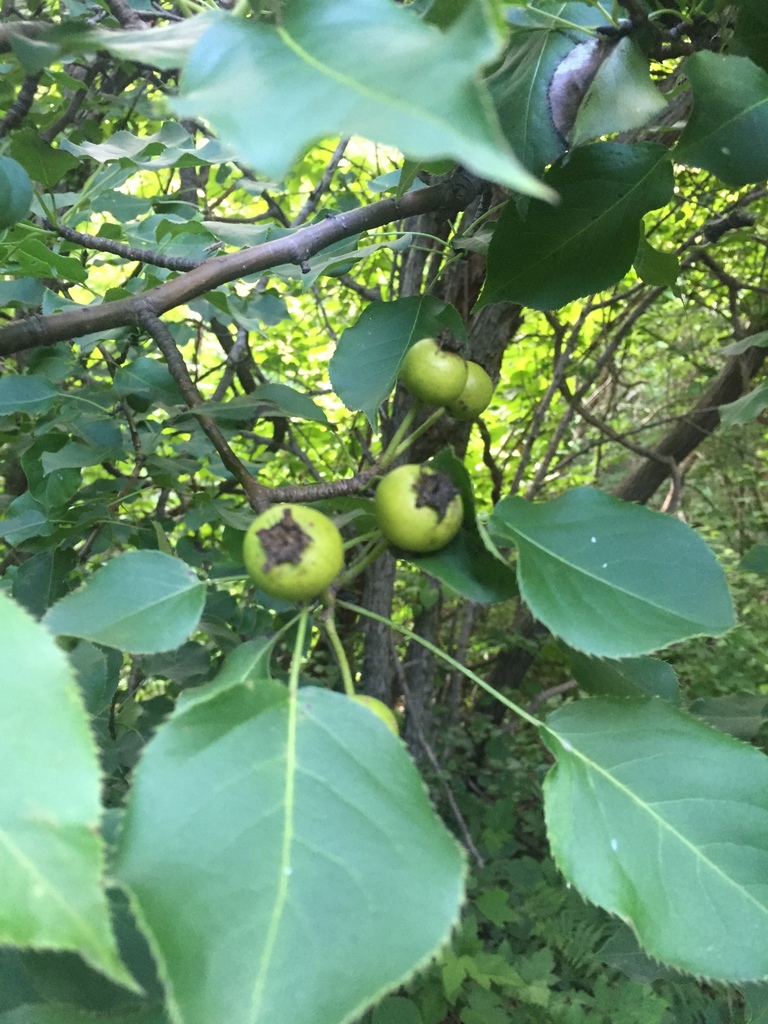 1 / 5
1 / 5—observations
—countries
—peak records
Data DeficientConservation statusIUCN Red List categoriesLCNTVUENCREWEXData Deficient — not placed on the risk ladderRed List categories, explained →
Diet & prey
- Sunlight
- Water
- Soil nutrients
Predators
- Deer
- Caterpillars
- Bears
ThreatsHabitat fragmentation, hybridization with cultivated pear varieties
HabitatsTemperate mixed forests, mountain slopes, river valleys, and scrublands
Life span50–150 years
Size / weightNot available
Classification
- OrderRosales
- FamilyRosaceae
- GenusPyrus
- SpeciesPyrus ussuriensis
Range data is not available yet.
Interaction riskLow
- Low
- Moderate
- High
- Very high
- Why interaction risk is low
- Wild fruits have toxic look-alikes; never eat wild fruits or berries based on app identification alone.
Responsible observation
- Spring Identification: Look for dense clusters of five-petaled white flowers expanding with the leaves.
- Autumn Foliage: Observe the glossy round leaves turn striking shades of deep purple and red in crisp weather.
- Wildlife Watching: Scan beneath the canopy during late autumn to spot foraging woodland animals.
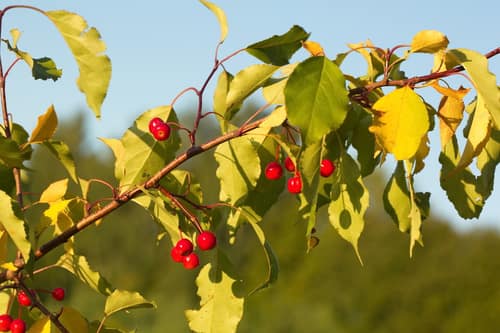
Frequent Companion (c) Вячеслав Юсупов, some rights reserved (CC BY), uploaded by Вячеслав Юсупов · cc-by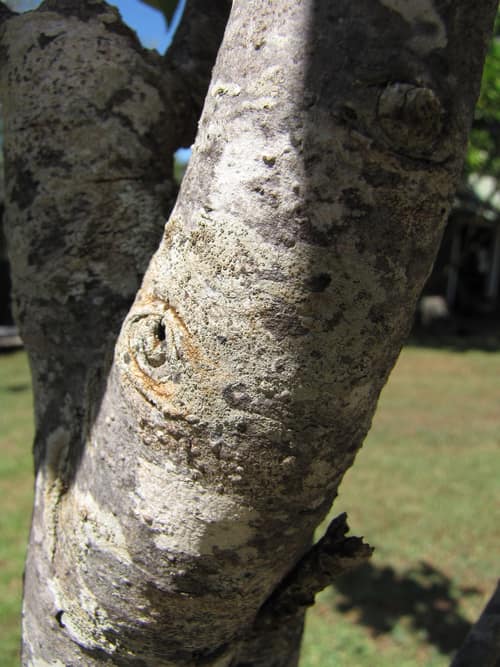
Close Relative (c) Forest and Kim Starr, some rights reserved (CC BY) · cc-by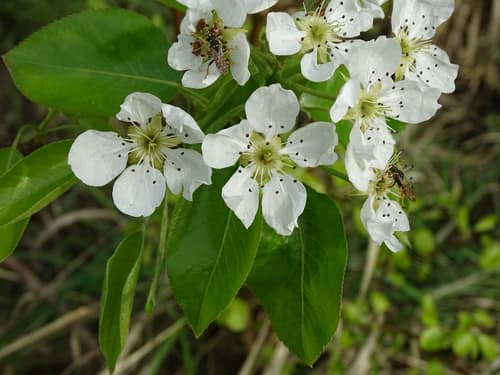
Close Relative (c) Grzegorz Grzejszczak, some rights reserved (CC BY-SA), uploaded by Grzegorz Grzejszczak · cc-by-sa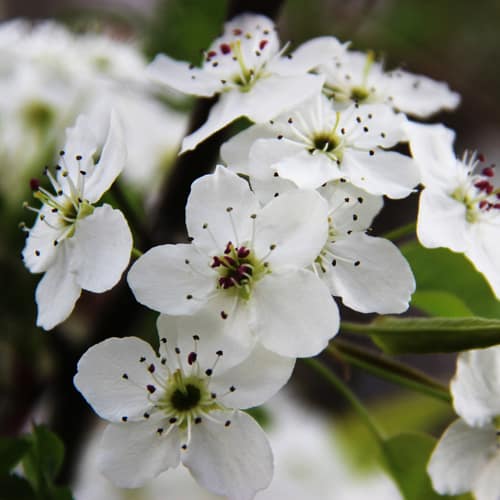
Close Relative (c) Benjamin Smith, some rights reserved (CC BY) · cc-by
Help improve the field guideSomething wrong?
Checking your Fauna account…Report a name, category, or profile issue for review.