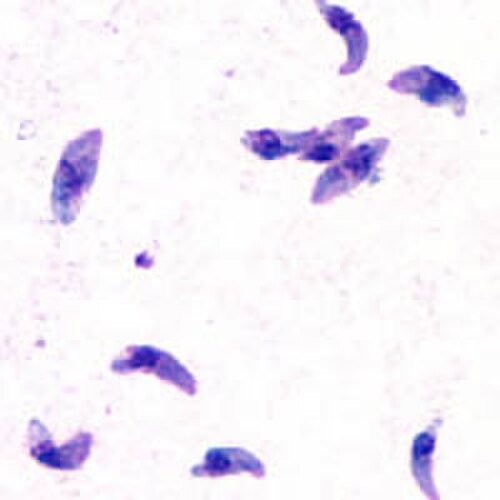
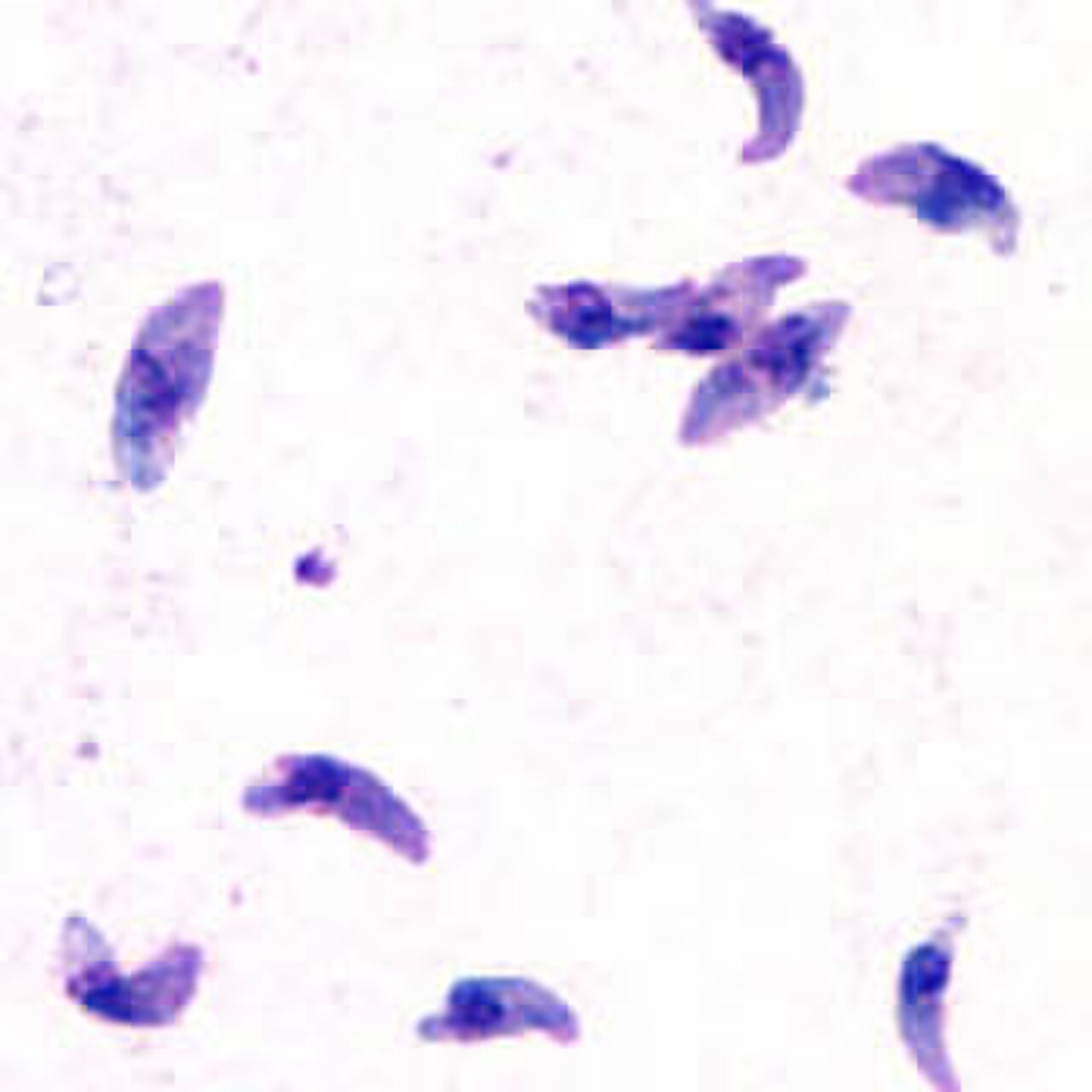
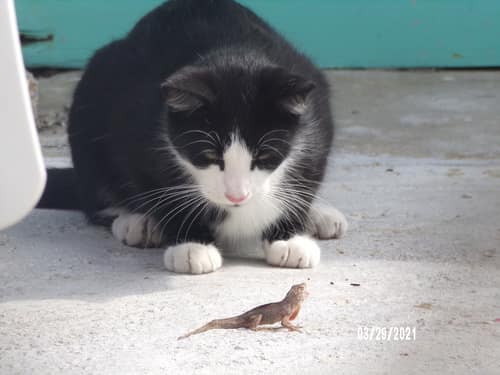
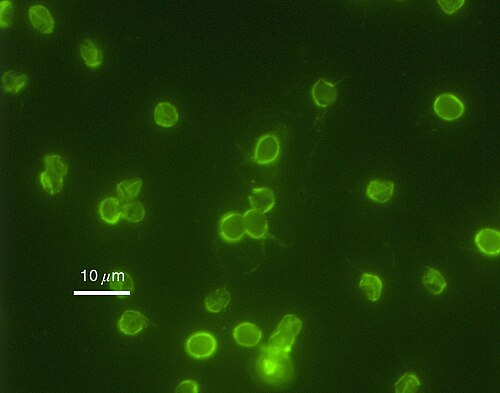
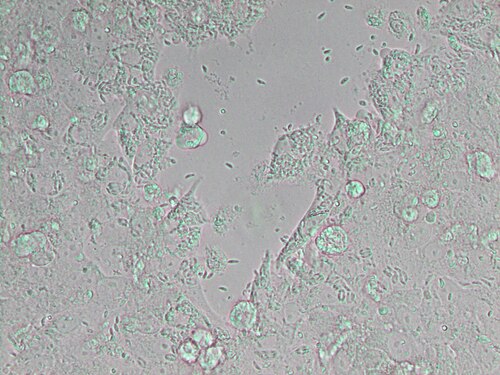
Toxoplasma gondii is a microscopic intracellular parasite renowned for altering the behavior of intermediate hosts to facilitate transmission back to cats, its only definitive hosts. In rodents, infection dampens the innate fear of feline scent, transforming cautious prey into brazen targets that cats easily catch. Inside host tissues, the protozoan forms dormant, lifelong tissue cysts that evade host immune surveillance until conditions allow further spread.
Not EvaluatedConservation statusIUCN Red List categoriesLCNTVUENCREWEXNot Evaluated — not placed on the risk ladderRed List categories, explained →
Key facts
Diet & prey
Intracellular host nutrients
ThreatsHost immune responses and environmental desiccation
HabitatsIntestinal tract of felids, muscle and neural tissues of warm-blooded vertebrates
Life spanDecades as dormant bradyzoite tissue cysts
Classification
FamilySarcocystidae
SpeciesToxoplasma gondii
Range & activity
Range data is not available yet.
Safe observation
Interaction riskModerate
Low
Moderate
High
Very high
Why interaction risk is moderate
Causes toxoplasmosis, posing severe risks during pregnancy and to immunocompromised individuals via contaminated soil, water, or cat feces.
Why it is dangerous
Infection causes toxoplasmosis, which can lead to severe congenital birth defects, miscarriages, or life-threatening encephalitis in immunocompromised individuals.
How to recognize a risky encounter
Invisible to the naked eye; microscopic crescent-shaped tachyzoites and hardy spherical oocysts require laboratory staining and high magnification to view.
What to do
Never handle outdoor cat feces or raw meats with bare hands, and wear gloves while working in garden soil.
Responsible observation
Hygiene Practice: Wash hands thoroughly after gardening or handling soil where domestic cats roam.
Litter Safety: Pregnant individuals should avoid cleaning cat litter boxes to prevent congenital exposure.
Food Safety: Cook all meats thoroughly to destroy latent bradyzoite tissue cysts.