
Fungus · GBIF taxon 8013772
Desert Inkcap
Montagnea radiosaAlso known as Desert Montagnea, Sand Inkcap
Desert inkcaps are extraordinary secotioid fungi adapted to survive in harsh, arid landscapes where typical fleshy mushrooms would desiccate instantly. Their tough, woody stems hold aloft a star-like disc with dark, radial gill-like plates that release spores into dry desert winds. Unfazed by intense heat, these resilient saprobes break down buried organic material beneath sandy soils long after rain has passed.
DesertSecotioidFungus
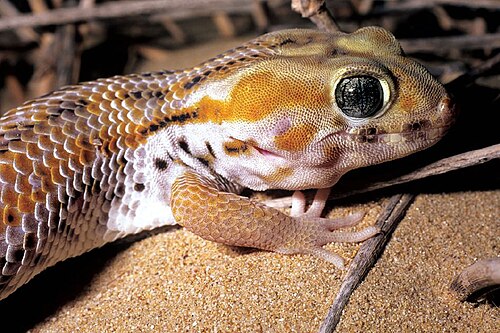
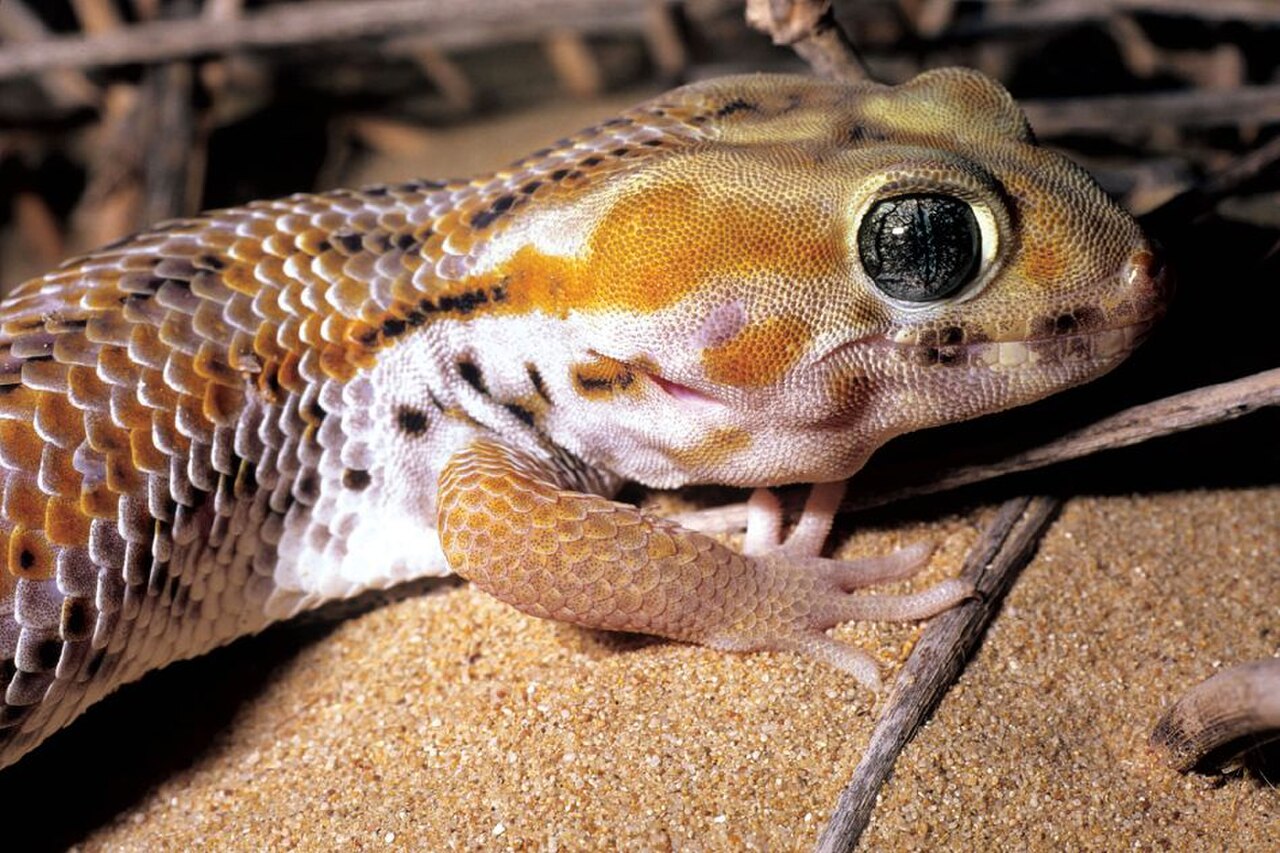
Licensed referenceAndrew S. Gardner / CC BY 3.0 · cc-by
—observations
—countries
—peak records
Not EvaluatedConservation statusIUCN Red List categoriesLCNTVUENCREWEXNot Evaluated — not placed on the risk ladderRed List categories, explained →
Diet & prey
- Saprotrophic (decomposing dead plant matter)
Predators
- Desert beetles
- Small rodents
- Termites
ThreatsHabitat destruction, desert development, and off-road vehicle traffic
HabitatsDeserts, arid scrublands, dry grasslands, and sandy soils
Life spanFruiting bodies persist for weeks; underground mycelium lives indefinitely
Size / weightNot available
Classification
- FamilyAgaricaceae
- SpeciesMontagnea radiosa
Range data is not available yet.
Interaction riskLow
- Low
- Moderate
- High
- Very high
- Why interaction risk is low
- Many edible mushrooms have toxic look-alikes; never eat wild fungi based on app identification alone.
Responsible observation
- Observing: Look in dry sandy soils, gravelly washes, and desert scrub after rare rain events.
- Identification: Examine the black, radial gills flared outwards atop a tough, woody stem.
- Conservation: Avoid disturbing fragile biological soil crusts while exploring desert environments.
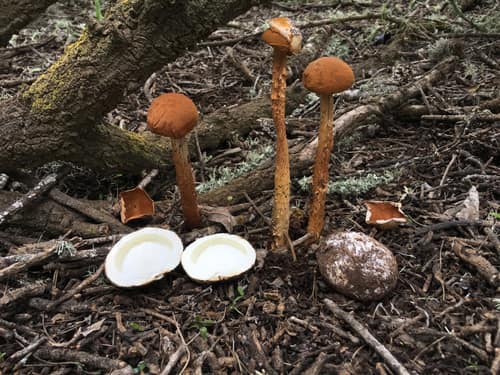
Arid Companion (c) Adam J. Searcy, some rights reserved (CC BY), uploaded by Adam J. Searcy · cc-by Image unavailable
Co-Occurring Fungus 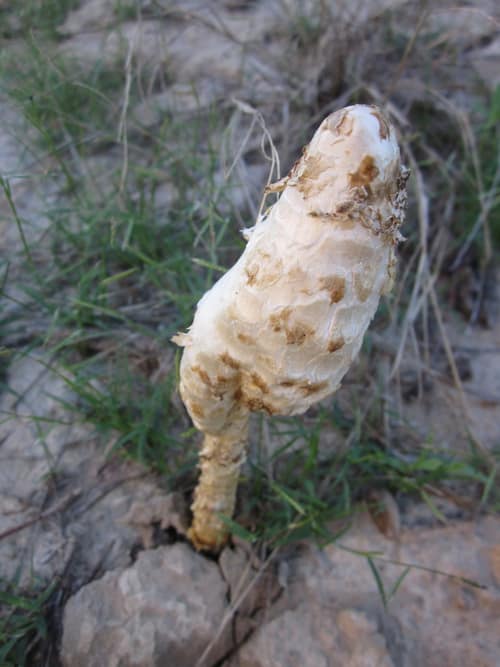
Desert Relative (c) Eric Knight, some rights reserved (CC BY) · cc-by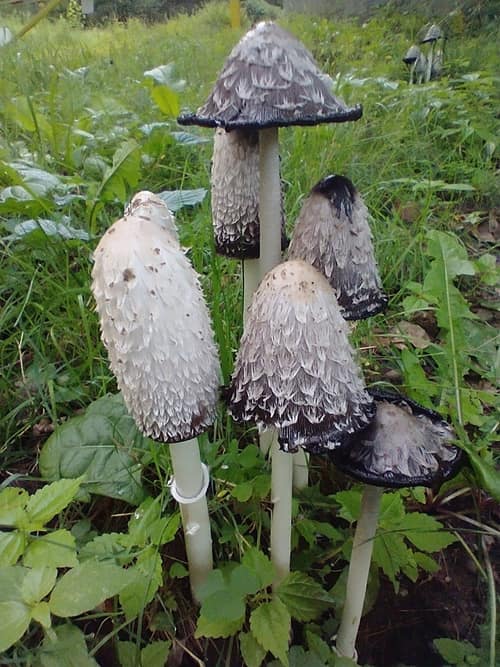
Family Relative (c) Tom Norton, some rights reserved (CC BY), uploaded by Tom Norton · cc-by
Help improve the field guideSomething wrong?
Checking your Fauna account…Report a name, category, or profile issue for review.