
Plant · GBIF taxon 8012439
Common Snowberry
Symphoricarpos albusAlso known as Snowberry, White Coralberry, Waxberry
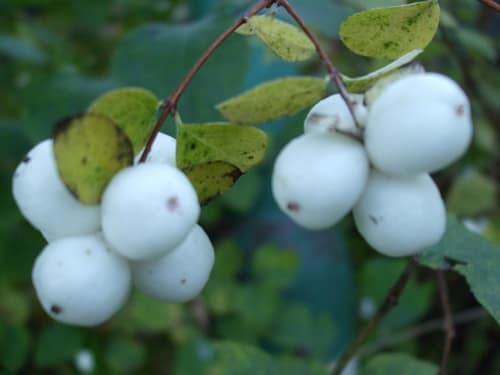
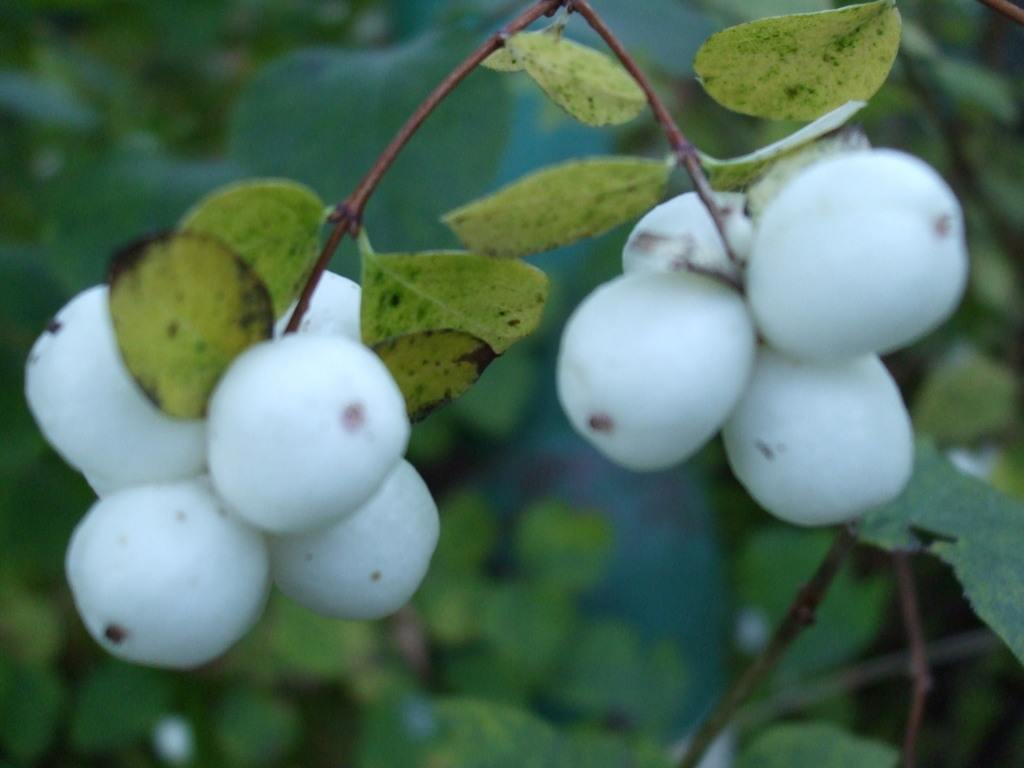
Common snowberry forms dense clonal thickets through spreading rhizomes, stabilizing vulnerable riverbanks and forest margins across North America. Delicate pinkish-white bell flowers yield spongy white berries that persist through deep snow, providing critical emergency forage for overwintering birds. While various game birds feed freely on the fruit, the berries contain toxic saponins that deter most mammalian grazers.
Deciduous ShrubWhite BerriesWildlife Browse
—observations
—countries
—peak records
Least ConcernConservation statusIUCN Red List categoriesLCNTVUENCREWEXLeast ConcernRed List categories, explained →
Diet & prey
- Sunlight
- Water
- Soil Nutrients
Predators
- Mule Deer
- Elk
- Bighorn Sheep
ThreatsInvasive exotic weeds, extreme drought, clearing for development
HabitatsOpen woodlands, riparian zones, forest edges, rocky hillsides
Life span20–40 years (clones can persist indefinitely)
Size / weightNot available
Classification
- OrderDipsacales
- FamilyCaprifoliaceae
- GenusSymphoricarpos
- SpeciesSymphoricarpos albus
Range data is not available yet.
Interaction riskHigh
- Low
- Moderate
- High
- Very high
- Why interaction risk is high
- Berries contain toxic saponins, and wild berries have dangerous look-alikes; never ingest based on app identification alone.
- Why it is dangerous
- Berries contain isoquinoline alkaloids and toxic saponins that cause nausea, vomiting, dizziness, and gastrointestinal inflammation.
- How to recognize a risky encounter
- Features paired opposite oval leaves and clustered, snow-white spongy berries on thin, woody stems.
- What to do
- Photograph the distinctive white fruit safely without picking, and keep children and domestic pets from ingesting berries.
Responsible observation
- Berry Identification: Look for distinctive spongy white fruit clusters that cling to bare stems all winter long.
- Soil Restoration: Plant along slope edges to control soil erosion using its extensive rhizomatous root network.

Host Plant (c) Marvin Smith, some rights reserved (CC BY-SA) · cc-by-sa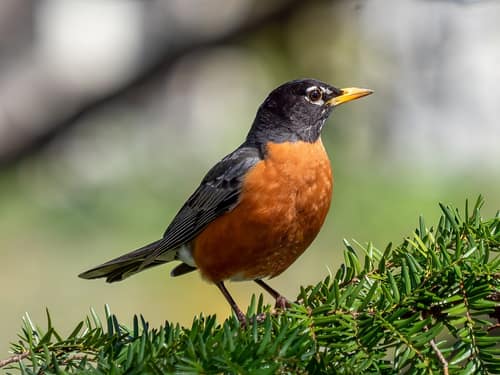
Seed Disperser Rhododendrites / CC BY-SA 4.0 · cc-by-sa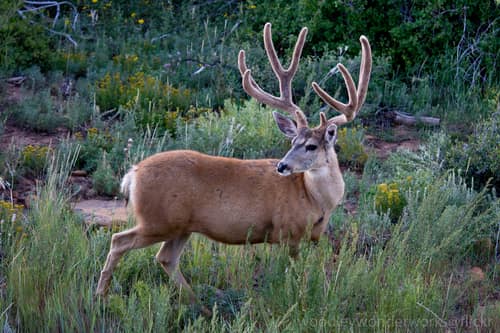
Herbivore "ten point mule deer buck" by woodleywonderworks is licensed under CC BY 2.0. To view a copy of this license, visit https://creativecommons.org/licenses/by/2.0/. · cc-by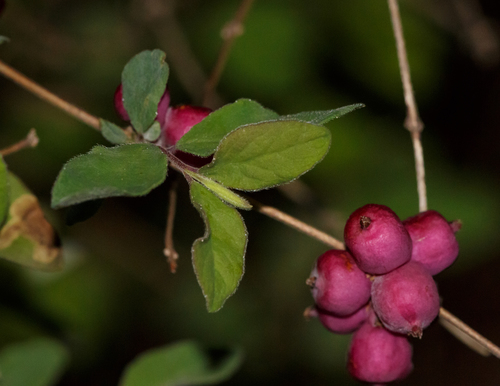
Close Relative (c) Meghan Cassidy, some rights reserved (CC BY-SA), uploaded by Meghan Cassidy · cc-by-sa
Help improve the field guideSomething wrong?
Checking your Fauna account…Report a name, category, or profile issue for review.