
Bird · GBIF taxon 8012314
Eurasian Wryneck
Jynx torquillaAlso known as Northern Wryneck, Snakebird
Eurasian wrynecks resemble nightjars or songbirds far more than typical woodpeckers, sporting cryptic bark-toned plumage that allows them to vanish against tree trunks. When alarmed inside a nest cavity, they twist their necks snake-like while hissing loudly, a striking defensive pantomime that gave them their common name. Unlike true woodpeckers, their bills are too weak to excavate wood, so they depend on existing tree holes and nest boxes for breeding.
MigratoryCamouflagedInsectivore
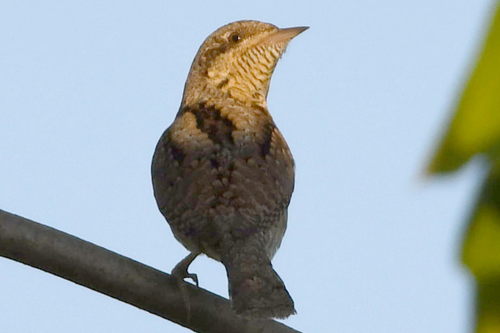
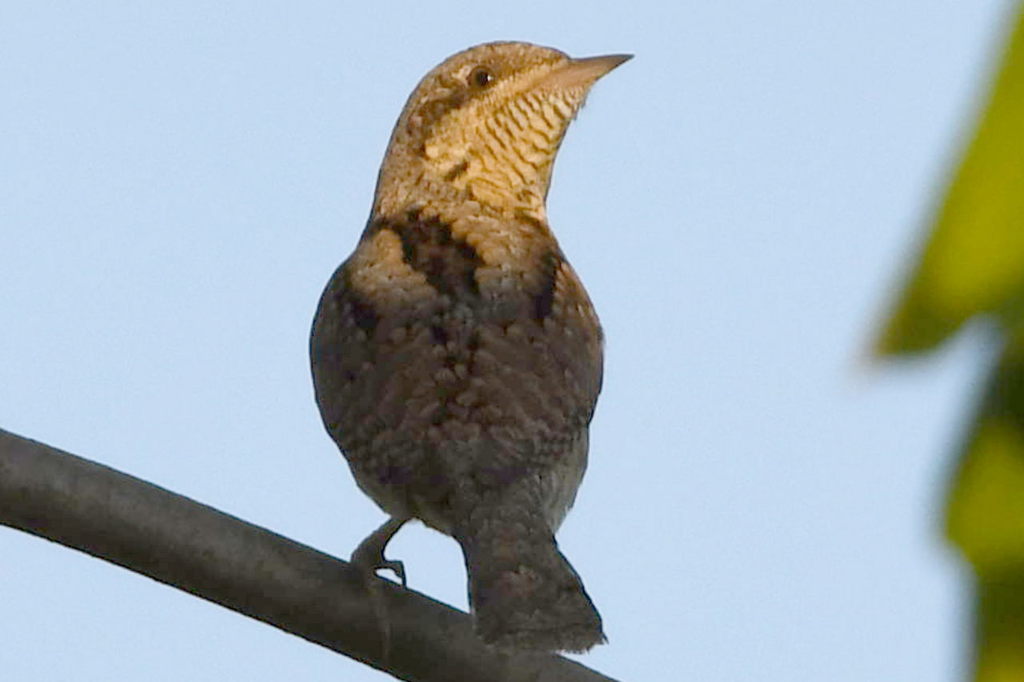
—observations
—countries
—peak records
Least ConcernConservation statusIUCN Red List categoriesLCNTVUENCREWEXLeast ConcernRed List categories, explained →
Diet & prey
- Black garden ant
- Red wood ant
- Ant pupae
Predators
- Eurasian Sparrowhawk
- Domestic cat
- Tawny Owl
ThreatsAgricultural intensification, removal of deadwood, loss of mature orchards, and pesticide use
HabitatsOpen deciduous woodland, traditional orchards, parklands, and sunny forest edges
Life span3–10 years
Size / weightNot available
Classification
- FamilyPicidae
- SpeciesJynx torquilla
Range data is not available yet.
Interaction riskLow
- Low
- Moderate
- High
- Very high
- Why interaction risk is low
- Safe to observe at a normal distance.
Responsible observation
- Listen for Calls: Spring territories are announced by a nasal, repeating 'que-que-que' call carrying through open woods.
- Watch the Ground: Scan sunny banks, paths, and anthills where birds hop quietly while probing for ant nests.
- Provide Nest Boxes: Installing small-hole nest boxes in traditional orchards can attract breeding pairs.
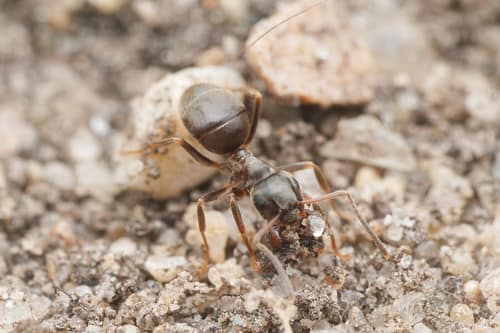
Prey (c) Jonghyun Park, some rights reserved (CC BY), uploaded by Jonghyun Park · cc-by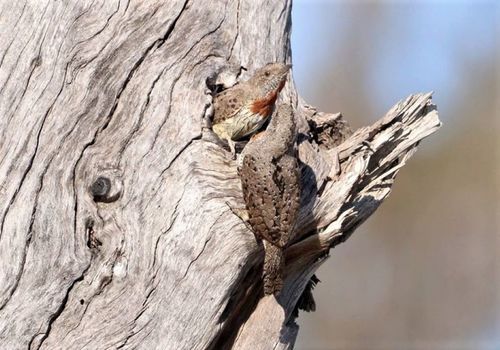
Close Relative no rights reserved · cc0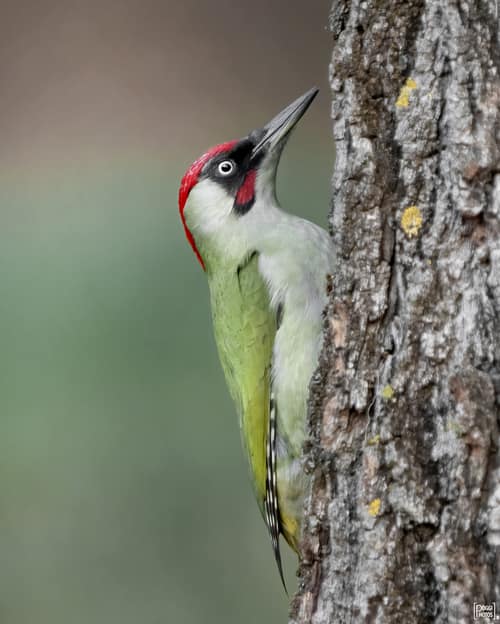
Same Family (c) Andrea Poggi, some rights reserved (CC BY), uploaded by Andrea Poggi · cc-by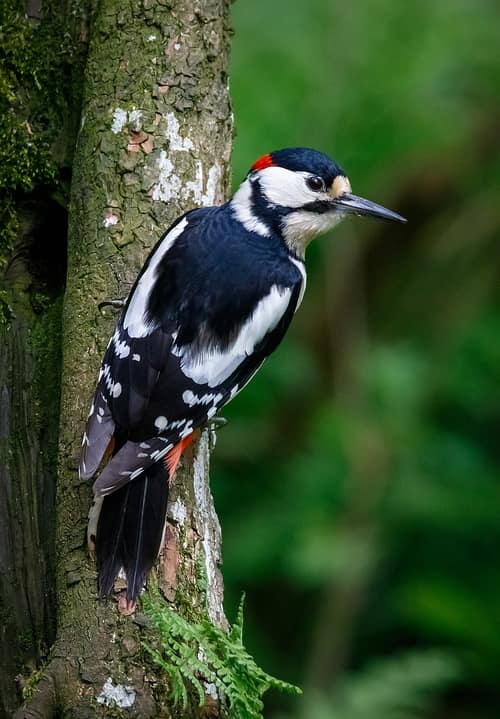
Same Family Gerry Zambonini / CC BY-SA 2.0 · cc-by-sa
Help improve the field guideSomething wrong?
Checking your Fauna account…Report a name, category, or profile issue for review.