
Bird
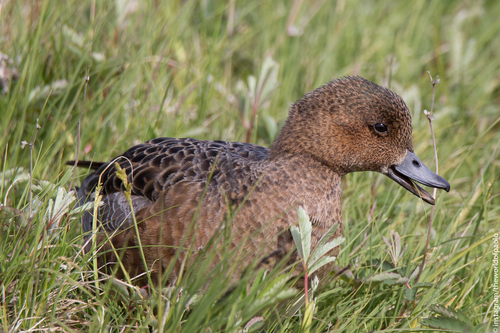
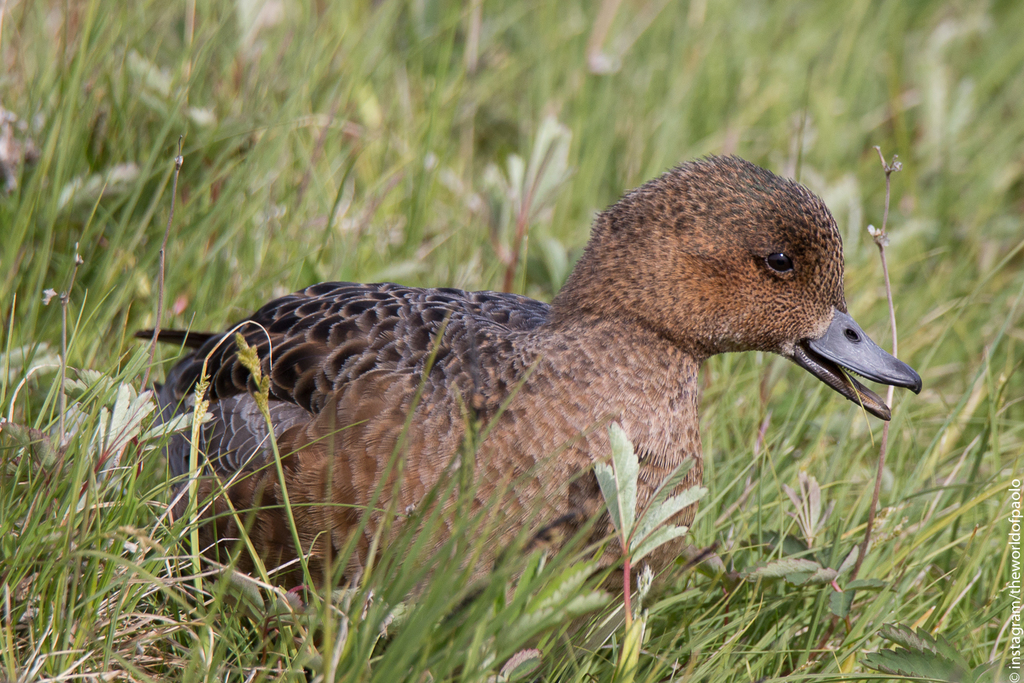
Eurasian Wigeon
Mareca penelopeAlso known as European Wigeon, Wigeon, Widgeon
Eurasian wigeons congregate in noisy winter flocks along coastal marshes, where their penetrating, musical whistles echo across open mudflats and flooded pastures. Unlike most dabbling ducks, they feed primarily by grazing on terrestrial grasses and marine eelgrass, clipping blades with short, stubby bills specialized for cropping vegetation. Breeding pairs disperse across northern taiga and tundra wetlands each spring, concealing down-lined ground nests inside dense heather or tussock sedges.
WaterfowlMigratoryHerbivorous
—observations
—countries
—peak records
Least ConcernConservation statusIUCN Red List categoriesLCNTVUENCREWEXLeast ConcernRed List categories, explained →
Diet & preyEelgrass, Pondweeds, Pasture grasses
Predators
- Peregrine Falcon
- Red Fox
- Northern Pike
ThreatsWetland drainage, coastal development, disturbance from recreation, hunting
HabitatsTundra lakes, boreal marshes, estuaries, flooded coastal pastures
Life span15–18 years in the wild
Classification
- OrderAnseriformes
- FamilyAnatidae
- GenusMareca
- SpeciesMareca penelope
Range data is not available yet.
Interaction riskLow
- Low
- Moderate
- High
- Very high
- Why interaction risk is low
- Safe to observe at a normal distance.
Responsible observation
- Listening: Listen for the male's clear, whistling 'whee-oo' call across coastal marshes in winter.
- Scanning: Look for compact ducks grazing out on open grasslands adjacent to estuaries at low tide.
- Distance: Maintain a respectful distance with binoculars, as feeding flocks flush easily when approached.
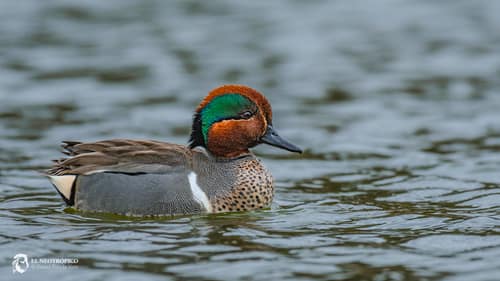
Frequent Companion (c) Daniel Pineda Vera, some rights reserved (CC BY), uploaded by Daniel Pineda Vera · cc-by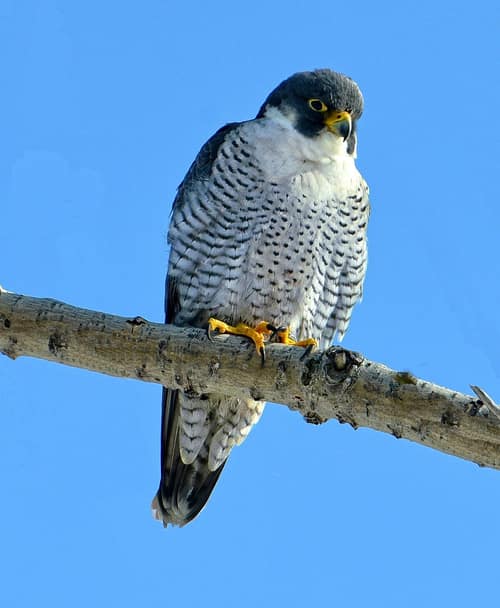
Predator Mykola Swarnyk / CC BY-SA 3.0 · cc-by-sa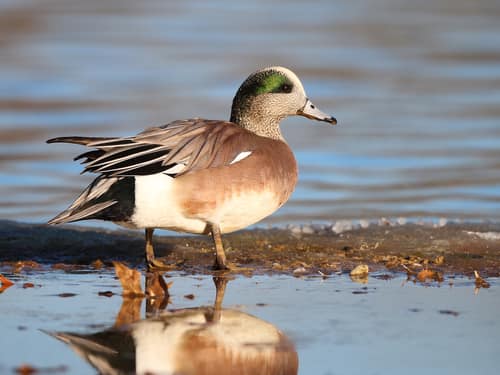
Close Relative no rights reserved, uploaded by Andy Wilson · cc0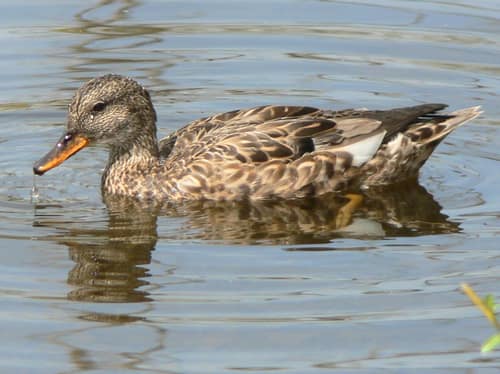
Close Relative (c) Walter Siegmund, some rights reserved (CC BY-SA) · cc-by-sa Image unavailable
Close Relative
Keep collecting in Fauna
Found in Collections
Species set Pro
Farm Friends
Eurasian Wigeon is found in this collection. Identify it in Fauna to fill this slot and continue your progress.
Unlock to track progress
Help improve the field guideSomething wrong?
Checking your Fauna account…Report a name, category, or profile issue for review.