
Plant
Sedum ebracteatum
Sedum ebracteatumBractless stonecrop forms sprawling mats of thick, softly hairy, pale green leaves that store water through dry seasons on Mexican mountain slopes. In late spring and summer, it sends up tall, leafy stalks topped with dense clusters of small, greenish-white star-shaped flowers that lack the tiny bracts found on many relatives. Using specialized nighttime carbon uptake, this hardy succulent thrives in thin volcanic soils where few non-succulent plants can survive.
SucculentPerennialDrought-Tolerant
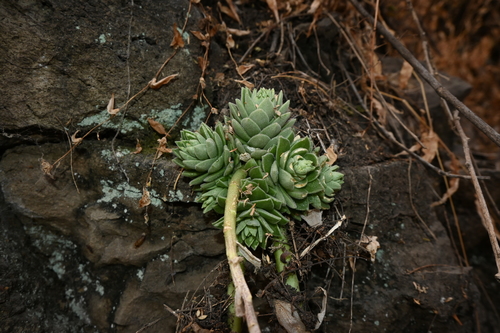
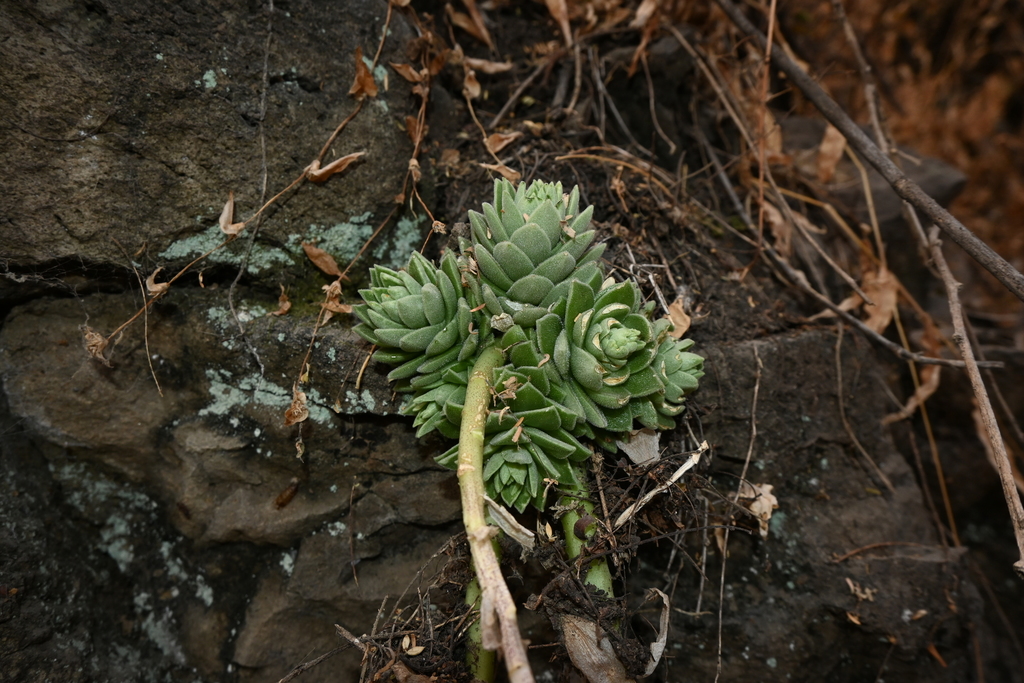
—observations
—countries
—peak records
Not EvaluatedConservation statusIUCN Red List categoriesLCNTVUENCREWEXNot Evaluated — not placed on the risk ladderRed List categories, explained →
Diet & preyPhotosynthetic (CAM metabolism); absorbs water and mineral nutrients from thin rocky soils
Predators
- Slugs and snails
- Aphids
- Grazing mammals
ThreatsHabitat loss from urban expansion, quarrying, overgrazing, and wild collection
HabitatsRocky volcanic slopes, cliffs, pine-oak forests, and semi-arid scrublands in Mexico
Life spanPerennial, living several years
Classification
- OrderSaxifragales
- FamilyCrassulaceae
- GenusSedum
- SpeciesSedum ebracteatum
Range data is not available yet.
Interaction riskLow
- Low
- Moderate
- High
- Very high
- Why interaction risk is low
- Safe to observe at a normal distance.
Responsible observation
- Leave Roots Intact: Avoid pulling or stepping on loose mats, as the brittle stems break easily on steep rock faces.
- Observe Pollinators: Watch the flower clusters in midday sun to spot bees, flies, and small butterflies feeding on nectar.
- Leave Wild Plants: Do not collect wild specimens from rocky outcrops, where slow-growing colonies stabilize thin soil.
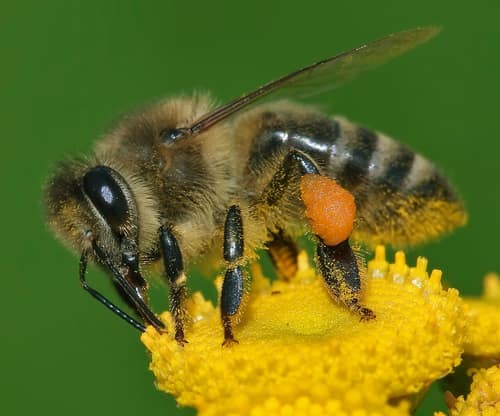
Pollinator Andreas Trepte / CC BY-SA 2.5 · cc-by-sa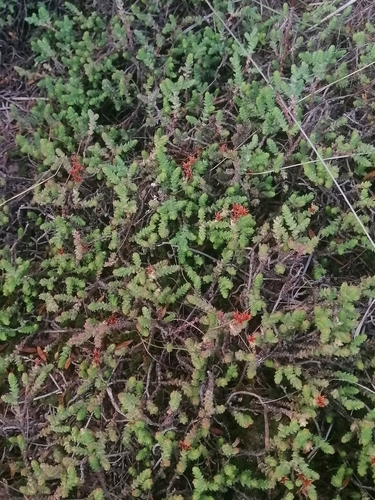
Close Relative (c) Erick Vélez Sánchez, some rights reserved (CC BY) · cc-by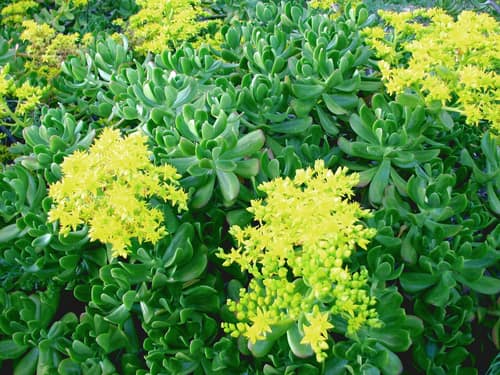
Close Relative Seán A. O'Hara from Berkeley, CA, USA / CC BY 2.0 · cc-by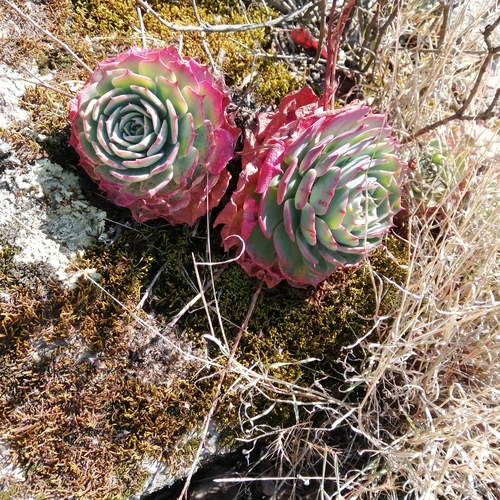
Same Family (c) Ulises Emmanuel Martínez Burgos, some rights reserved (CC BY) · cc-by
Help improve the field guideSomething wrong?
Checking your Fauna account…Report a name, category, or profile issue for review.