
Mammal · GBIF taxon 7964291
European Wildcat
Felis silvestrisAlso known as Forest Wildcat, European Forest Wildcat
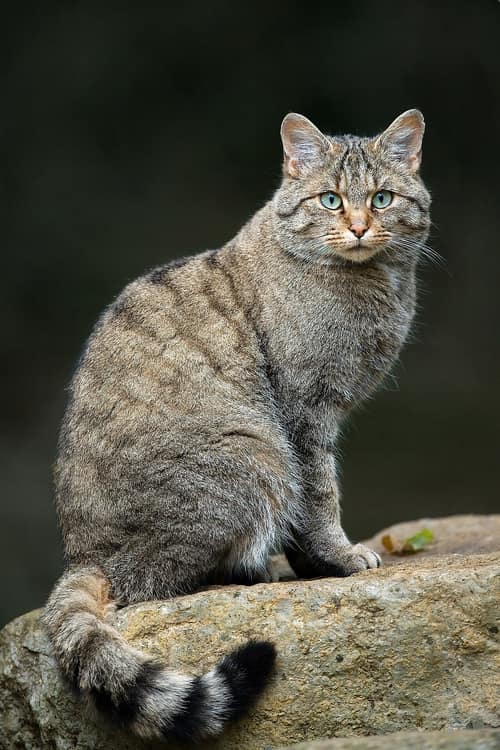
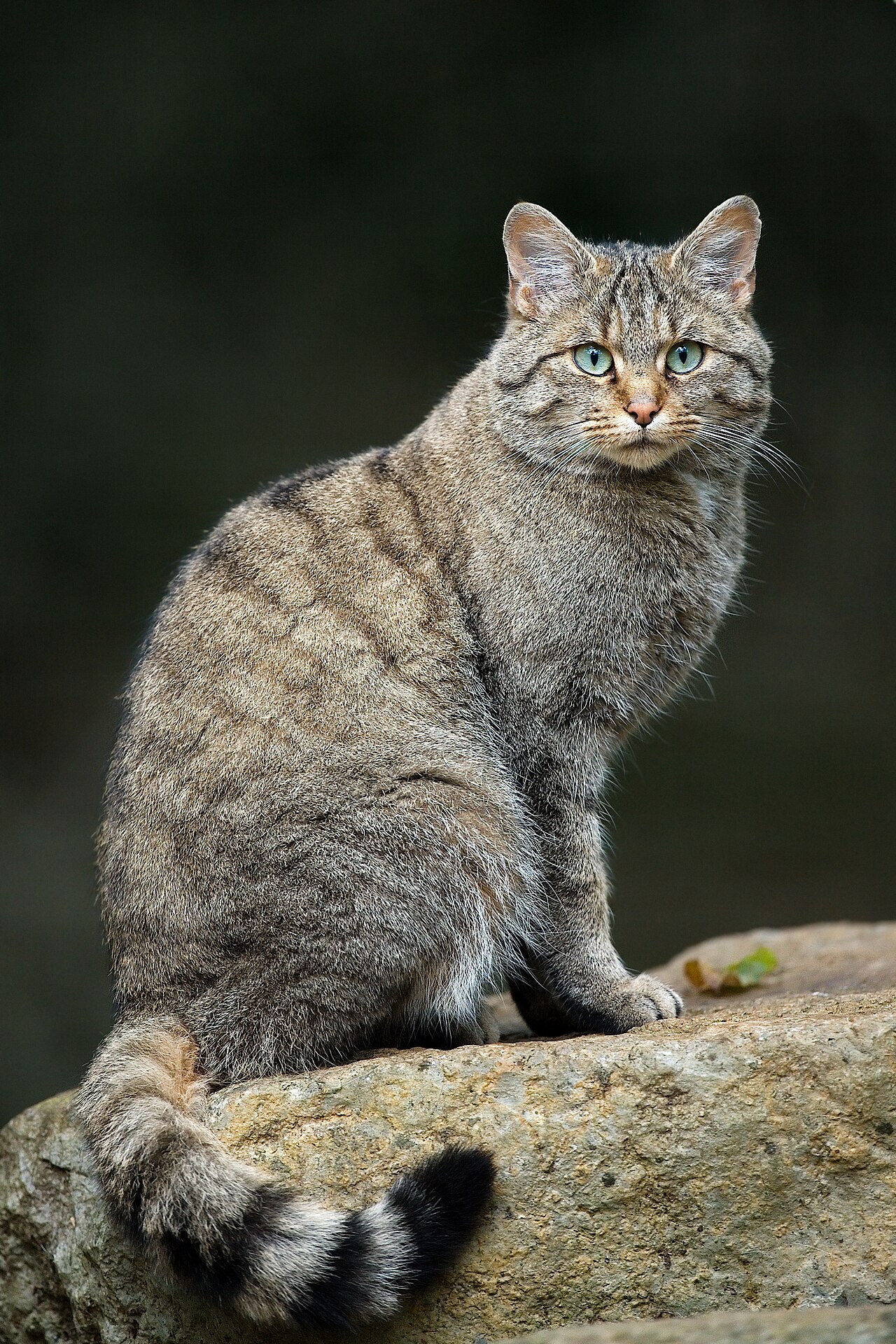
European wildcats inhabit broadleaf forests and scrublands across Europe, hunting small mammals with secretive, solitary stealth. Females establish stable home ranges and raise kittens in hollow trees or rocky crevices, defending territories against rivals. Hybridization with free-ranging domestic cats remains one of the primary threats to maintaining pure genetic lineages across its range.
SolitaryNocturnalCarnivore
—observations
—countries
—peak records
Least ConcernConservation statusIUCN Red List categoriesLCNTVUENCREWEXLeast ConcernRed List categories, explained →
Diet & prey
- Voles
- European Rabbit
- Mice
Predators
- Golden Eagle
- Eurasian Lynx
- Red Fox
ThreatsHybridization with domestic cats, habitat fragmentation, vehicle strikes
HabitatsDeciduous and mixed forests, scrublands, grassland edges
Life span7–12 years in the wild
Size / weightNot available
Classification
- FamilyFelidae
- SpeciesFelis silvestris
Range data is not available yet.
Interaction riskLow
- Low
- Moderate
- High
- Very high
- Why interaction risk is low
- Wild feline that may scratch or bite defensively if cornered; observe quietly from a safe distance.
- What to notice
- Look for a thick, blunt, black-ringed tail and a wide head with robust facial markings.
- Support conservation
- Keep dogs leashed in wildcat territory and record observations on verified wildlife tracking databases.
Responsible observation
- Observation Distance: Keep a respectful distance using binoculars or trail cameras as they avoid human activity.
- Habitat Preservation: Avoid disturbing hollow trees and brush piles where females establish breeding dens.
- Pet Management: Keep domestic cats indoors or spayed to prevent hybridization with wild populations.
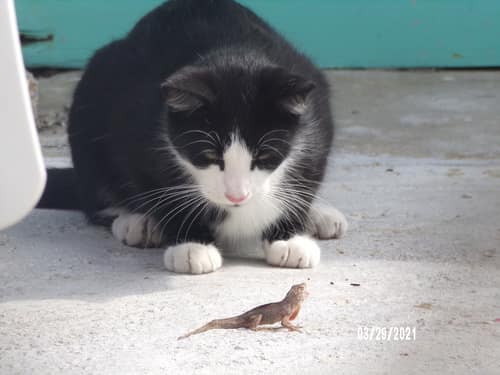
Descendant Kin (c) chloe ⋆˚꩜。, some rights reserved (CC BY-SA) · cc-by-sa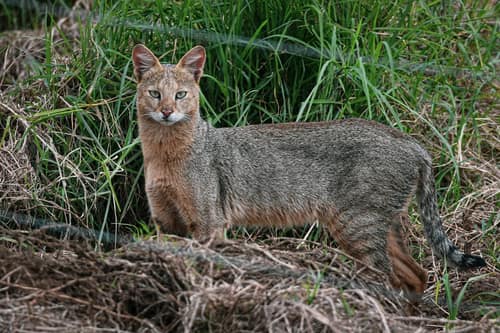
Genus Member (c) Harshad Sharma, some rights reserved (CC BY), uploaded by Harshad Sharma · cc-by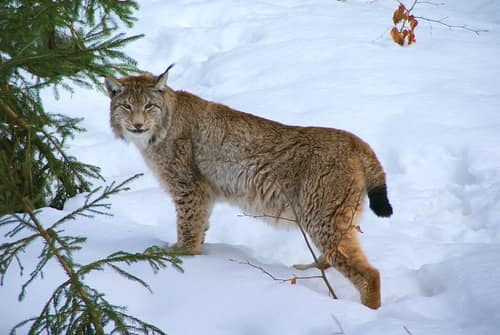
Co-occurring Predator Aconcagua (talk) / CC BY-SA 3.0 · cc-by-sa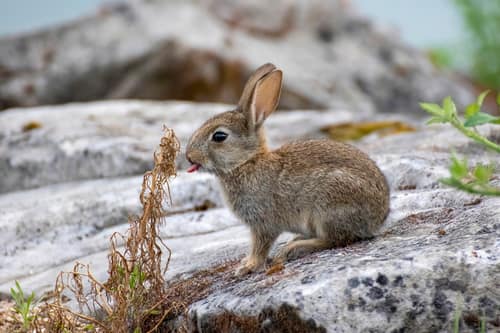
Key Prey (c) Alexis Lours, some rights reserved (CC BY), uploaded by Alexis Lours · cc-by
Help improve the field guideSomething wrong?
Checking your Fauna account…Report a name, category, or profile issue for review.