
Invertebrate
Paramecium bursaria
Paramecium bursariaAlso known as Green Paramecium
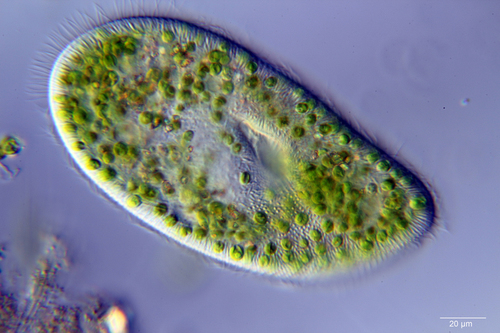
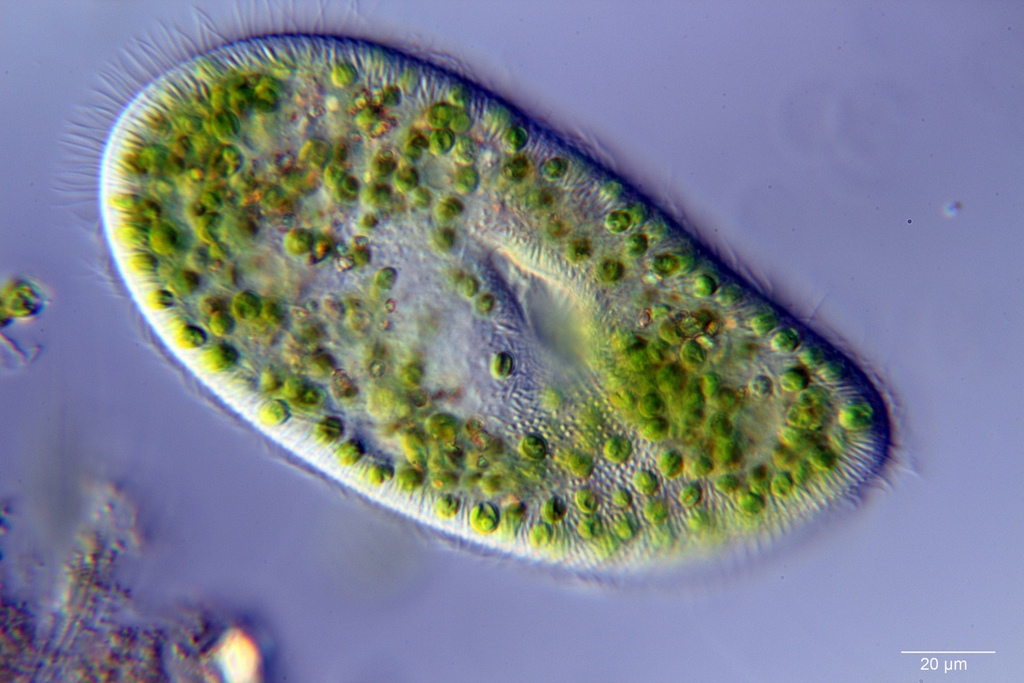
Green paramecia glide through quiet waters propelled by coordinated waves of thousands of beating cilia. Packed with hundreds of symbiotic green algae in their cytoplasm, they harness solar energy while simultaneously vacuuming up bacteria through an expansive oral groove. Their phototactic behavior steers them toward sunlit patches, maximizing algal photosynthesis in exchange for carbon and oxygen.
MicroscopicAquaticSymbiotic
—observations
—countries
—peak records
Not EvaluatedConservation statusIUCN Red List categoriesLCNTVUENCREWEXNot Evaluated — not placed on the risk ladderRed List categories, explained →
Diet & preyEscherichia coli, Enterobacter aerogenes, Saccharomyces cerevisiae
Predators
- Didinium nasutum
- Amoeba proteus
- Daphnia pulex
ThreatsChemical contamination, heavy metal pollution, and extreme eutrophication
HabitatsFreshwater ponds, quiet lakes, brackish marshes, and slow streams
Life spanSeveral days per division cycle; indefinite lineage via binary fission
Classification
- OrderPeniculida
- FamilyParameciidae
- GenusParamecium
- SpeciesParamecium bursaria
Range data is not available yet.
Interaction riskLow
- Low
- Moderate
- High
- Very high
- Why interaction risk is low
- Harmless single-celled organism; safe to observe under a microscope.
Responsible observation
- Sampling: Collect water from sunlit edges of ponds rich in decaying vegetation.
- Microscopy: Add a drop of methyl cellulose to slide preparations to slow their rapid swimming.
- Culturing: Maintain cultures under moderate indirect light to support endosymbiotic green algae.
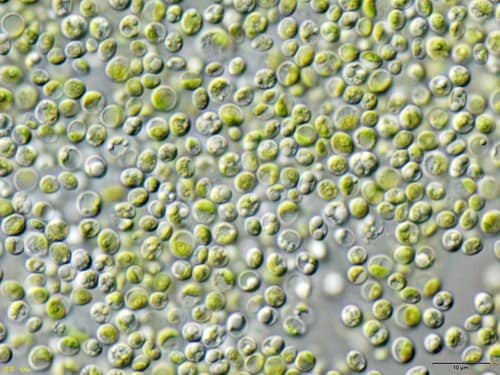
Symbiont (c) ja:User:NEON, some rights reserved (CC BY-SA) · cc-by-sa Image unavailable
Predator 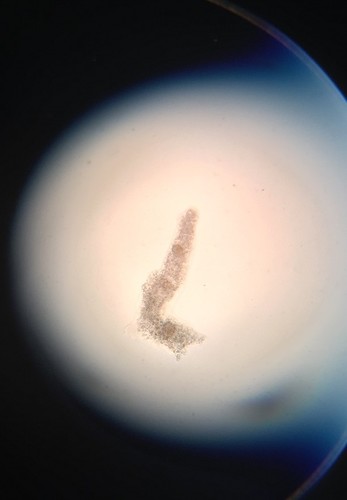
Predator (c) Dominic, some rights reserved (CC BY), uploaded by Dominic · cc-byClose Relative
Help improve the field guideSomething wrong?
Checking your Fauna account…Report a name, category, or profile issue for review.