Also known as Ice Age Spotted Hyena, Eurasian Cave Hyena
Cave hyenas dominated the Pleistocene steppe-tundra of Eurasia, hunting in coordinated clans capable of taking down woolly rhinos, wild horses, and steppe bison. Their immensely powerful jaws and specialized premolars cracked open thick marrow bones that other carnivores abandoned, turning subterranean caverns into massive accumulations of chewed skeletal remains. Frequent clashes with cave lions and early hominins over food and sheltered dens shaped the competitive landscape of Ice Age northern latitudes.
ThreatsClimate warming at the end of the Last Glacial Period, prey depletion, and human competition
HabitatsMammoth steppe, temperate grasslands, open woodlands, and karst cave systems
Life span15–25 years (estimated)
Classification
FamilyHyaenidae
SpeciesCrocuta spelaea
Range & activity
Range data is not available yet.
Safe observation
Interaction riskLow
Low
Moderate
High
Very high
Why interaction risk is low
Extinct species; fossil remains in museum collections are completely safe to observe.
Responsible observation
Fossil Identification: Inspect excavated megafauna bones for distinctive crushed spiral fractures and deep round tooth pits left by hyena premolars.
Den Recognition: Seek out historical limestone cave deposits where accumulated layers of gnawed herbivore bones and fossilized coprolites indicate clan use.
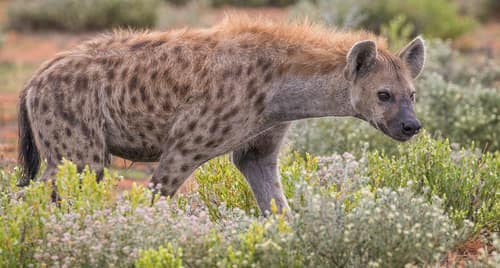
Skeletal Comparison: Compare fossil mounts to living spotted hyenas to observe the cave hyena's shorter, sturdier limbs adapted for cold climates.

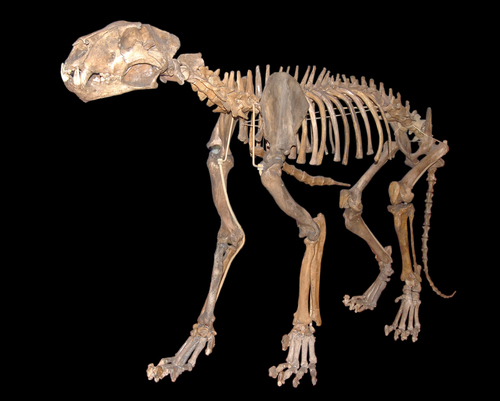
 Image unavailable