
Plant
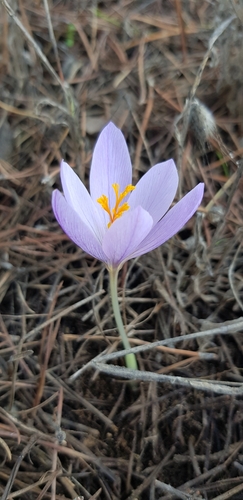
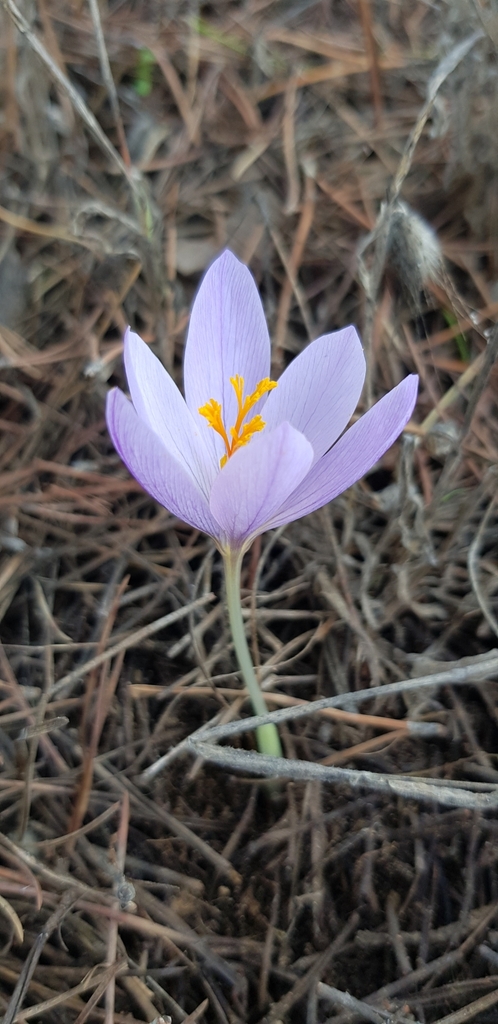
Late Crocus
Crocus serotinusAlso known as Autumn Crocus
Late crocus emerges in autumn across sunny hillsides and open pine woods, producing delicate lavender or lilac blossoms just as summer greenery begins to fade. Unlike spring-blooming relatives, this resilient geophyte flowers either alongside or immediately following the arrival of its slender, silver-striped foliage. Dormant underground corms sustain the plant through scorching Mediterranean summers, rapidly sending up blooms stimulated by cooling autumn rains.
Autumn FloweringMediterraneanBulb
—observations
—countries
—peak records
Least ConcernConservation statusIUCN Red List categoriesLCNTVUENCREWEXLeast ConcernRed List categories, explained →
Diet & preyAutotrophic (photosynthesis)
Predators
- Wild Boar
- Field Vole
- European Rabbit
ThreatsHabitat conversion, intensive grazing, and urbanization
HabitatsScrublands, rocky pastures, open pine forests, and stony slopes
Life spanPerennial (corm regenerates annually)
Classification
- FamilyIridaceae
- SpeciesCrocus serotinus
Range data is not available yet.
Interaction riskHigh
- Low
- Moderate
- High
- Very high
- Why interaction risk is high
- Corms cause vomiting in dogs and cats; easily confused with deadly poisonous Colchicum.
- Why it is dangerous
- True crocus corms contain mild gastrointestinal toxins harmful to pets, and blossoms closely mimic meadow saffron, which contains deadly colchicine.
- How to recognize a risky encounter
- Look for exactly three yellow stamens inside each pale violet bloom, distinct from the six stamens found in toxic Colchicum species.
- What to do
- Enjoy the flowers visually without picking them, and keep domestic animals from digging up or chewing on subterranean corms.
Responsible observation
- Photography: Kneel low in the early morning to capture the cup-shaped flowers backlit by autumn sunlight.
- Identification: Count six stamens on toxic Colchicum look-alikes versus exactly three stamens on this true Crocus.
- Wild Observation: Tread carefully in rocky meadows to avoid trampling delicate emerging flower buds.
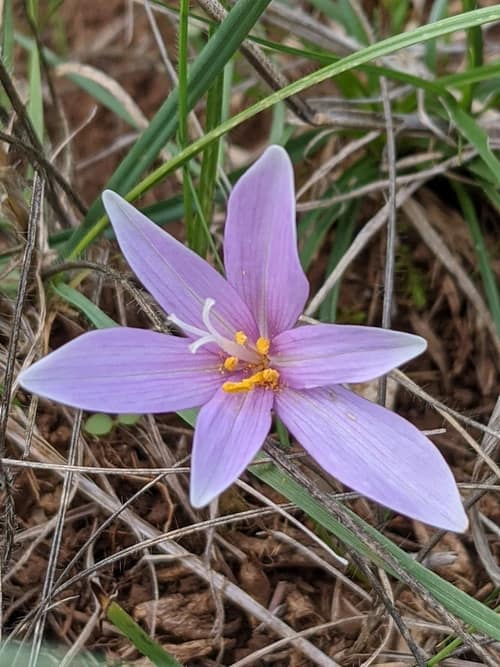
Toxic Look-alike (c) Denis Bastianelli, some rights reserved (CC BY), uploaded by Denis Bastianelli · cc-by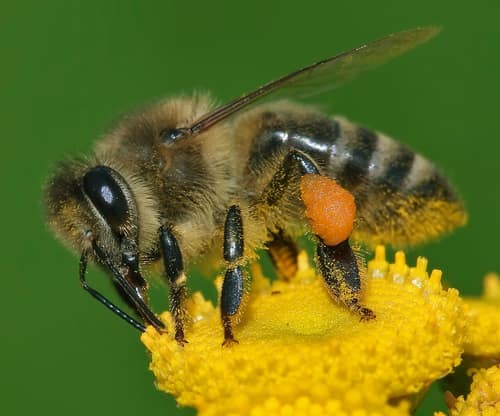
Pollinator Andreas Trepte / CC BY-SA 2.5 · cc-by-sa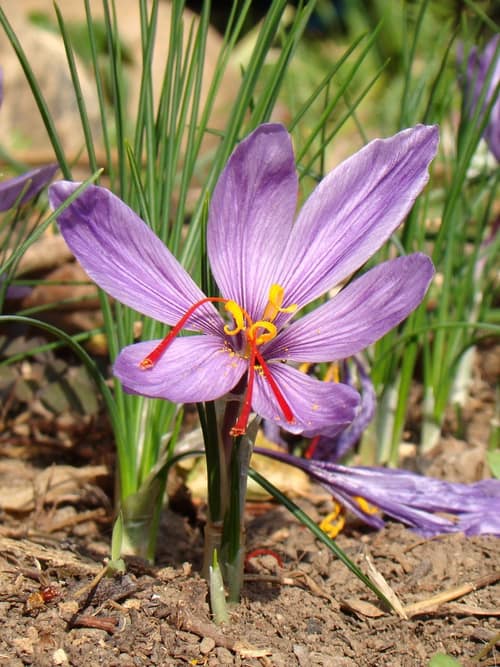
Close Relative (c) Юрий Данилевский (Yuriy Danilevsky), some rights reserved (CC BY), uploaded by Юрий Данилевский (Yuriy Danilevsky) · cc-by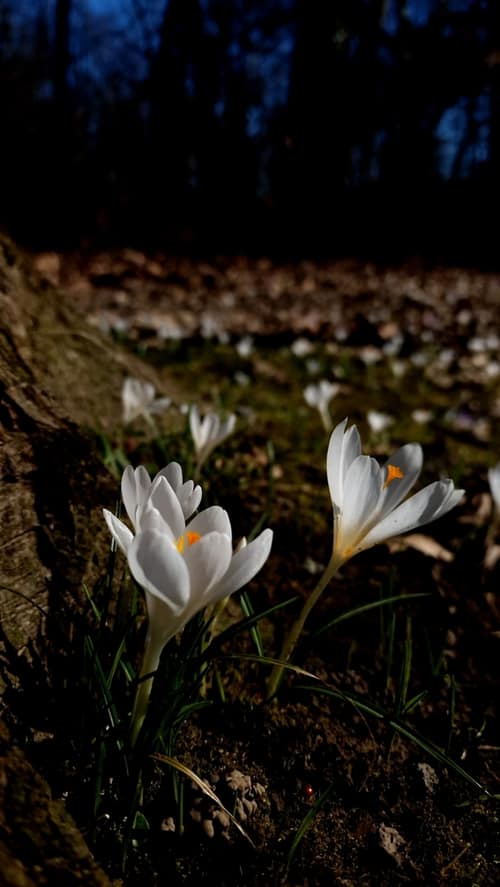
Close Relative (c) Mario Zuti, some rights reserved (CC BY) · cc-by
Help improve the field guideSomething wrong?
Checking your Fauna account…Report a name, category, or profile issue for review.