
Plant
Ficus pertusa
Ficus pertusaFicus pertusa begins life high in the tropical canopy when a bird or bat drops a seed onto a host branch, sending slender aerial roots downward until they reach the forest floor and fuse into a woody lattice around the host trunk. Its small, paired figs develop year-round and depend on specialized fig wasps that crawl inside the enclosed inflorescence to pollinate the tiny flowers. Because individual trees fruit asynchronously across the seasons, Ficus pertusa serves as a vital keystone food source for monkeys, toucans, and fruit bats during lean months.
TropicalEvergreenStrangler Fig
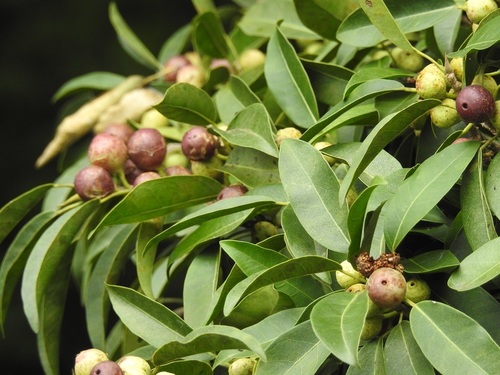
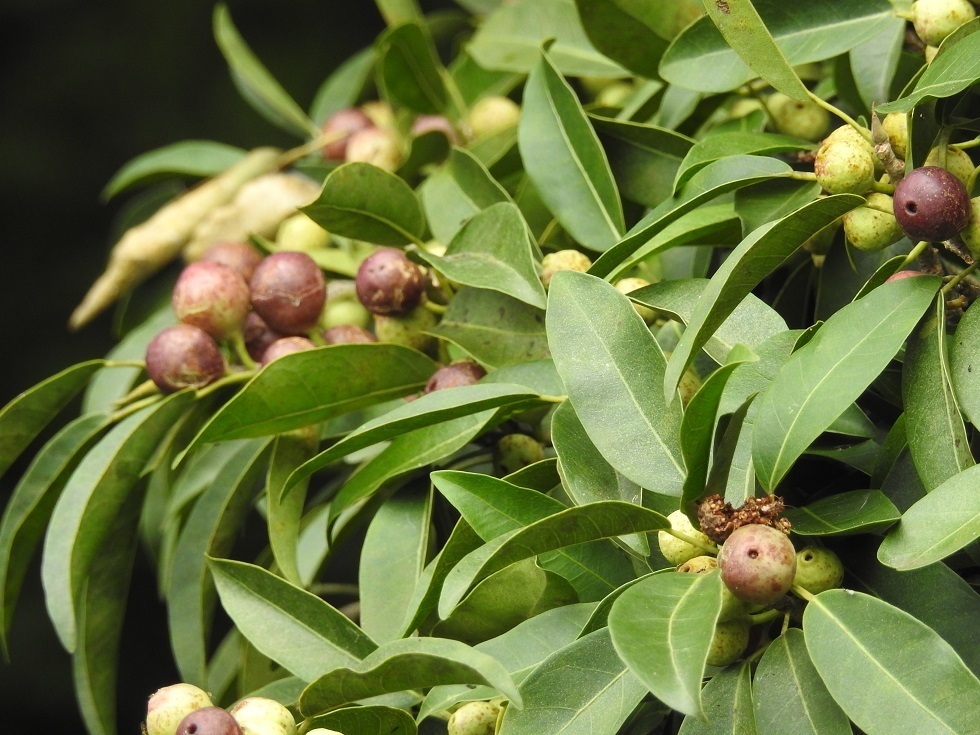
—observations
—countries
—peak records
Least ConcernConservation statusIUCN Red List categoriesLCNTVUENCREWEXLeast ConcernRed List categories, explained →
Diet & preyPhotosynthetic autotroph; absorbs water and soil nutrients through roots
Predators
- Howler monkeys
- Fruit bats
- Toucans
ThreatsDeforestation, habitat fragmentation, and agricultural clearing
HabitatsTropical lowland rainforests, cloud forests, gallery forests, and forest edges
Life span100 to 200+ years
Classification
- FamilyMoraceae
- SpeciesFicus pertusa
Range data is not available yet.
Interaction riskLow
- Low
- Moderate
- High
- Very high
- Why interaction risk is low
- Safe to observe at a normal distance; avoid getting the milky latex sap on skin or in eyes.
Responsible observation
- Look Up: Search the trunks of tall canopy trees for its crisscrossing lattice of fused aerial roots.
- Check the Forest Floor: Fallen greenish or reddish-purple figs often reveal a fruiting tree high above.
- Watch the Canopy: Fruiting trees attract flocks of toucans, parrots, and monkeys at dawn and dusk.
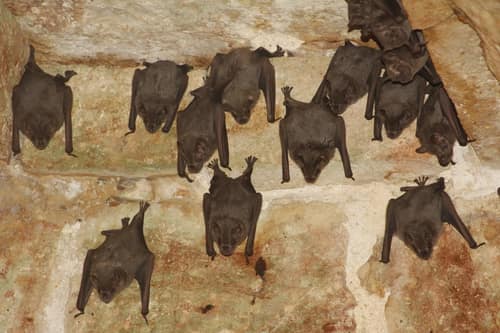
Seed Disperser (c) Juan Cruzado Cortés, some rights reserved (CC BY-SA), uploaded by Juan Cruzado Cortés · cc-by-sa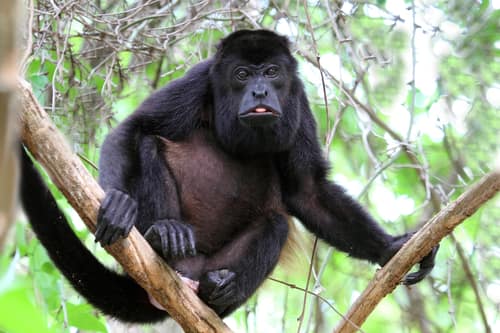
Seed Disperser (c) Cephas, some rights reserved (CC BY-SA) · cc-by-sa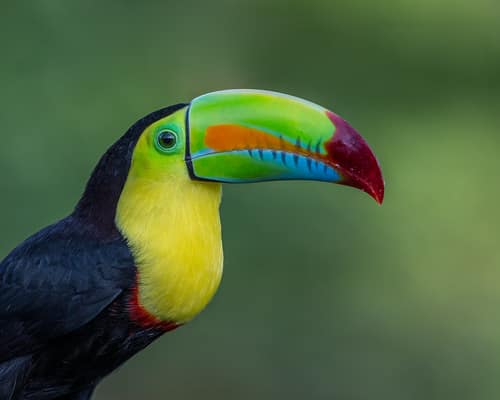
Seed Disperser "Keel-billed Toucan" by Andy Morffew is licensed under CC BY 2.0. To view a copy of this license, visit https://creativecommons.org/licenses/by/2.0/. · cc-by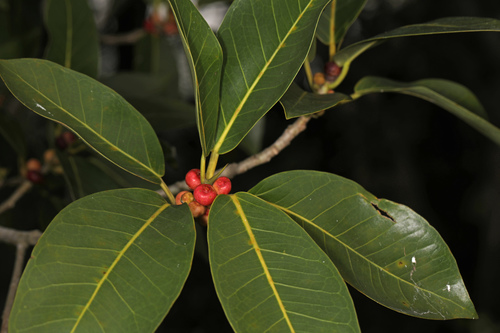
Close Relative (c) Judy Gallagher, some rights reserved (CC BY-SA), uploaded by Judy Gallagher · cc-by-sa Image unavailable
Close Relative
Help improve the field guideSomething wrong?
Checking your Fauna account…Report a name, category, or profile issue for review.