
Fungus · GBIF taxon 7943876
Eastern American Platterful Mushroom
Megacollybia rodmaniiAlso known as Platterful Mushroom, Rodman's Platterful Mushroom
Eastern American platterful mushrooms emerge from decaying hardwood logs and buried wood, anchored by prominent cord-like white mycelial strands called rhizomorphs. Their large, streaked caps flatten with age, revealing wide-spaced white gills beneath a brownish-grey surface. These fungi play a vital role in forest nutrient cycling by breaking down tough lignified wood.
Wood-DecayerForest FloorSaprotrophic
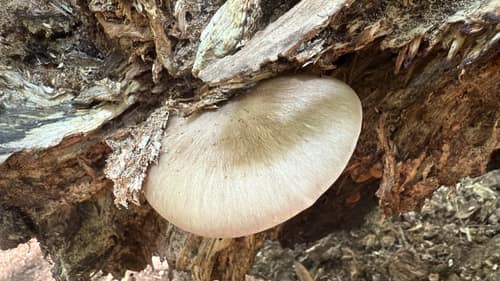
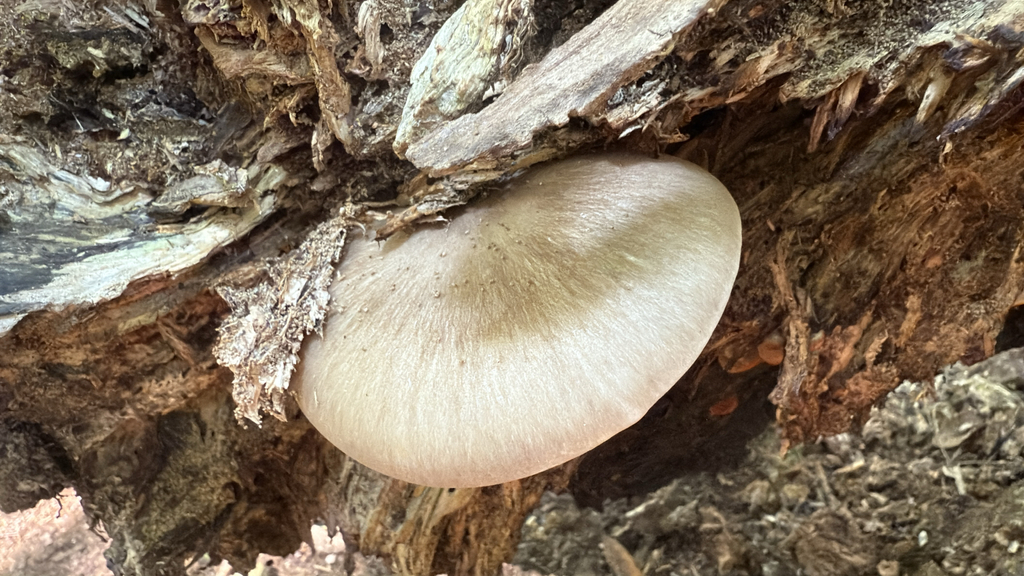
—observations
—countries
—peak records
Not EvaluatedConservation statusIUCN Red List categoriesLCNTVUENCREWEXNot Evaluated — not placed on the risk ladderRed List categories, explained →
Diet & prey
- Decaying Wood
- Lignin
- Cellulose
Predators
- Slugs
- Fungus Gnats
- Rove Beetles
ThreatsDeforestation and clear-cutting
HabitatsDeciduous and mixed forests
Life spanFruiting bodies last 1–2 weeks; mycelium persists for years
Classification
- OrderAgaricales
- FamilyTricholomataceae
- GenusMegacollybia
- SpeciesMegacollybia rodmanii
Range data is not available yet.
Interaction riskLow
- Low
- Moderate
- High
- Very high
- Why interaction risk is low
- Many edible mushrooms have toxic look-alikes; never eat wild fungi based on app identification alone.
Responsible observation
- Inspect the Base: Look for thick white rhizomorph strands radiating from the base into decaying wood.
- Observe the Cap: Note the dark radial fibrils streaking across the grey-brown surface.
- Check the Gills: Examine the broad, white, widely spaced gills underneath the cap.
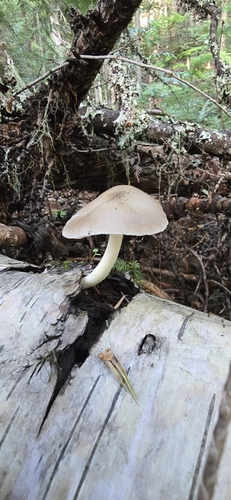
Ecological Neighbor no rights reserved · cc0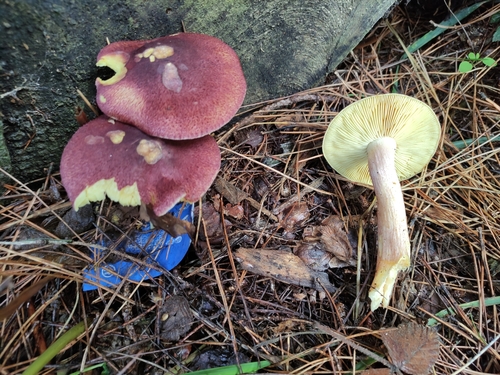
Forest Companion (c) Rodolfo Orlandi, some rights reserved (CC BY) · cc-by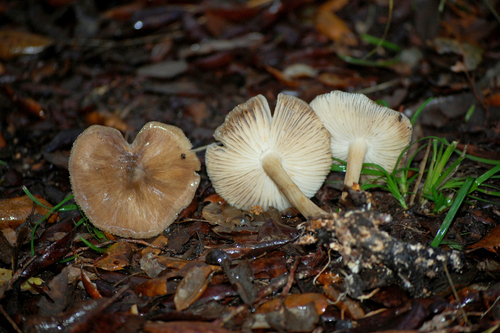
Close Relative (c) Davide Puddu, some rights reserved (CC BY), uploaded by Davide Puddu · cc-by
Help improve the field guideSomething wrong?
Checking your Fauna account…Report a name, category, or profile issue for review.