
Invertebrate · GBIF taxon 7932770
Lewis's Moon Snail
Neverita lewisiiAlso known as Northern Moon Snail, Giant Western Moon Snail, Western Moon Snail
Lewis's moon snails glide beneath intertidal sand using a massive, water-inflated foot that expands to several times the volume of their shell. They hunt bivalves by wrapping their muscular foot around prey and drilling a precise, beveled borehole through the hard shell using an acidic gland and radula. In spring and summer, females cement mucus, sediment, and millions of eggs into stiff, rubbery sand collars left resting on the seafloor.
MarinePredatorMollusk
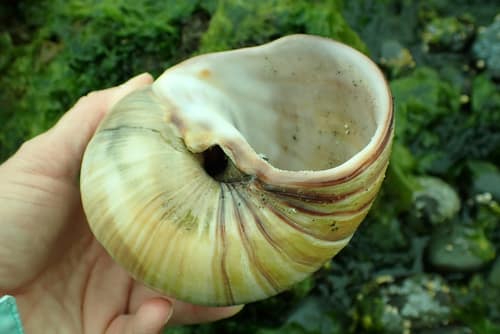
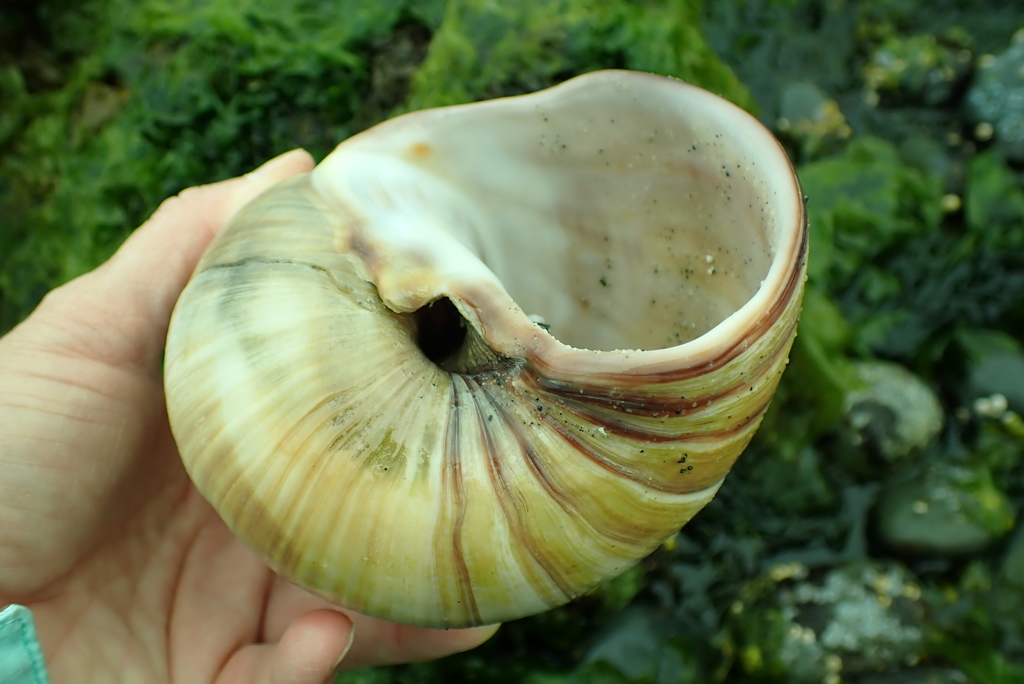
—observations
—countries
—peak records
Not EvaluatedConservation statusIUCN Red List categoriesLCNTVUENCREWEXNot Evaluated — not placed on the risk ladderRed List categories, explained →
Diet & prey
- Butter Clam
- Pacific Littleneck Clam
- Nuttall's Cockle
Predators
- Sunflower Sea Star
- Giant Pacific Octopus
- Sea Otter
ThreatsOcean acidification, coastal dredging, water pollution
HabitatsSandy and muddy intertidal flats, sheltered bays, shallow subtidal estuaries
Life span10–14 years
Size / weightNot available
Classification
- OrderLittorinimorpha
- FamilyNaticidae
- GenusNeverita
- SpeciesNeverita lewisii
Range data is not available yet.
Interaction riskLow
- Low
- Moderate
- High
- Very high
- Why interaction risk is low
- Safe to observe at a normal distance.
Responsible observation
- Low-Tide Searching: Scan wet, muddy tidal flats during minus tides for distinctive domed sand mounds that reveal a buried snail.
- Preserve Sand Collars: Avoid stepping on or picking up the brittle, ring-shaped egg collars resting on tidal sandflats.
- Gentle Observation: Keep living snails submerged in seawater if examining them, and always set them upright on the sand.
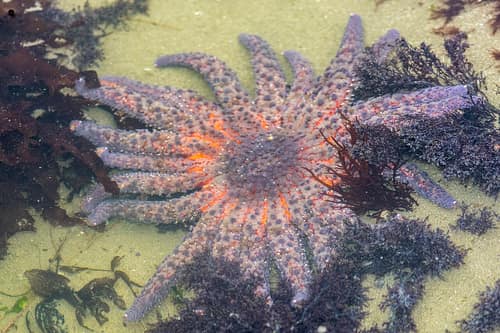
Predator Jerry Kirkhart from Los Osos, Calif. / CC BY 2.0 · cc-by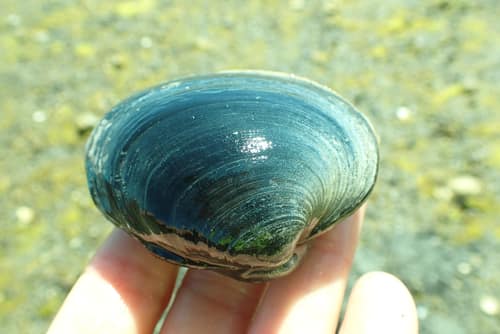
Prey (c) rlacroix, some rights reserved (CC BY) · cc-by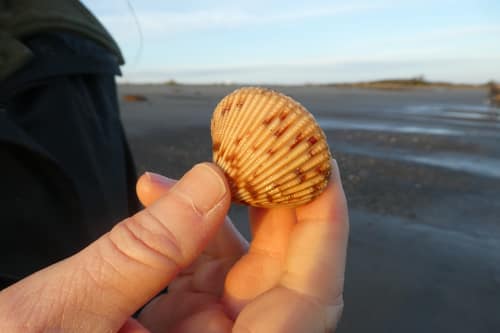
Prey (c) Mara Christensen, some rights reserved (CC BY) · cc-by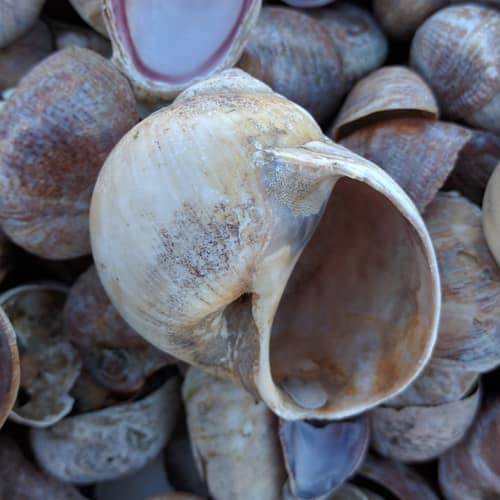
Close Relative (c) Ken-ichi Ueda, some rights reserved (CC BY), uploaded by Ken-ichi Ueda · cc-by
Help improve the field guideSomething wrong?
Checking your Fauna account…Report a name, category, or profile issue for review.