
Flower
Red Spider Lily
Lycoris radiataAlso known as Red Magic Lily, Equinox Flower, Hurricane Lily, Corpse Flower
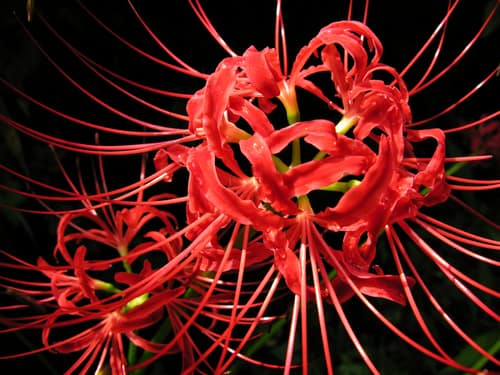
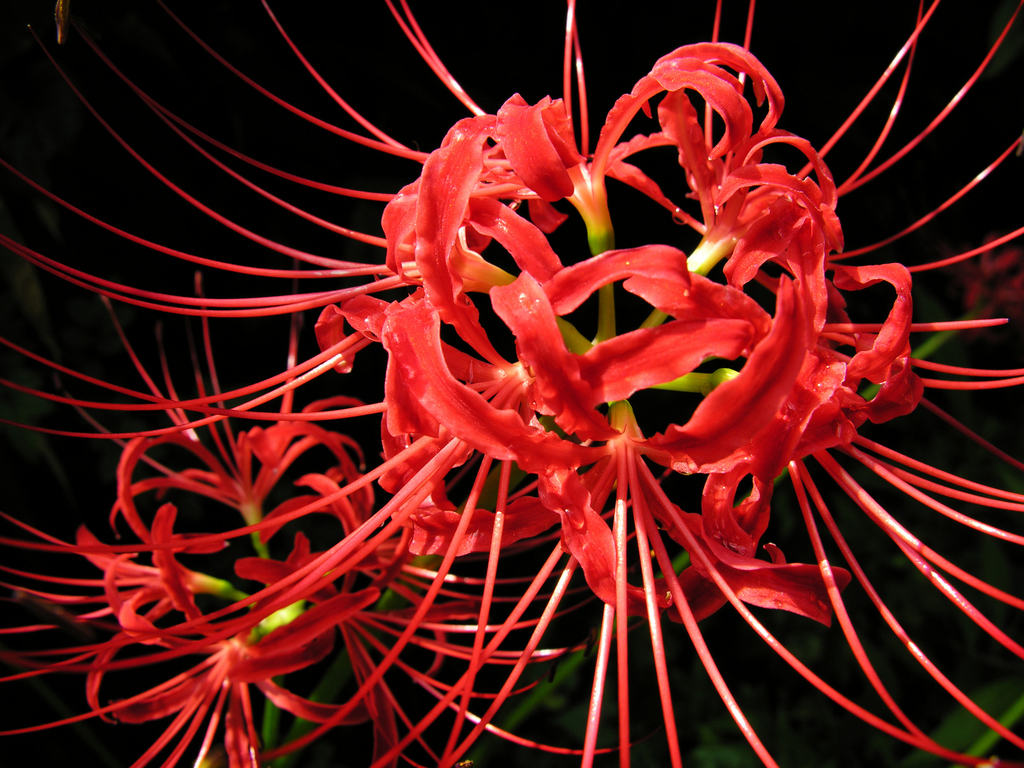
Scarlet umbels burst abruptly from bare ground in late summer and early autumn, producing dramatic spidery blooms with exceptionally long, upward-curling stamens before any foliage emerges. Deep green, strap-like leaves appear only after the flowers wither, remaining photosynthetically active throughout winter before dying back in late spring. In East Asia, these perennial bulbs have long been planted along rice paddy banks and cemetery perimeters because their toxic roots deter burrowing rodents.
PerennialFloweringToxic
—observations
—countries
—peak records
Not EvaluatedConservation statusIUCN Red List categoriesLCNTVUENCREWEXNot Evaluated — not placed on the risk ladderRed List categories, explained →
Diet & preyAutotrophic (photosynthesis)
ThreatsOvercollection of wild populations and residential development in native ranges
HabitatsRiverbanks, rice paddy margins, open woodlands, hillsides, and cultivated borders
Life spanPerennial (decades via vegetative bulb clump expansion)
Classification
- OrderAsparagales
- FamilyAmaryllidaceae
- GenusLycoris
- SpeciesLycoris radiata
Range data is not available yet.
Interaction riskHigh
- Low
- Moderate
- High
- Very high
- Why interaction risk is high
- All plant parts contain toxic lycorine; do not consume and keep away from curious pets.
- Why it is dangerous
- Contains lycorine and other toxic phenanthridine alkaloids, which cause violent vomiting, abdominal pain, diarrhea, and tremoring when eaten.
- How to recognize a risky encounter
- Recognize it by the leafless flowering scape bearing vivid scarlet blossoms with extraordinarily long, curling stamens.
- What to do
- Observe flowers without picking, wear gloves when planting bulbs, and immediately wash any sap from hands.
Responsible observation
- Timing: Watch for sudden flushes of blossoms in late summer or autumn immediately following heavy rainfall.
- Pet Safety: Ensure outdoor pets and indoor cats do not chew the foliage or dig up the toxic bulbs.
- Safe Planting: Wear gardening gloves when handling cut stems or dividing bulbs to prevent skin sensitivity.
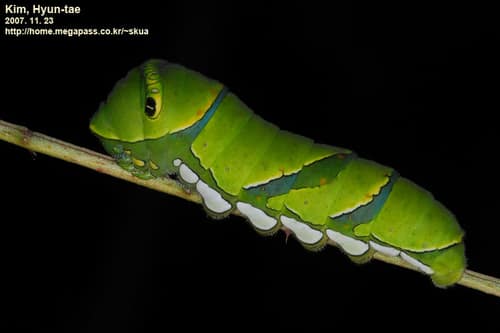
Pollinator (c) Kim, Hyun-tae, some rights reserved (CC BY), uploaded by Kim, Hyun-tae · cc-by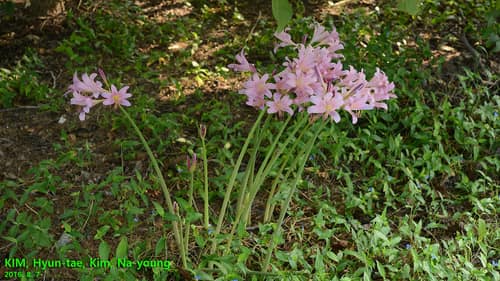
Close Relative (c) Kim, Hyun-tae, some rights reserved (CC BY), uploaded by Kim, Hyun-tae · cc-by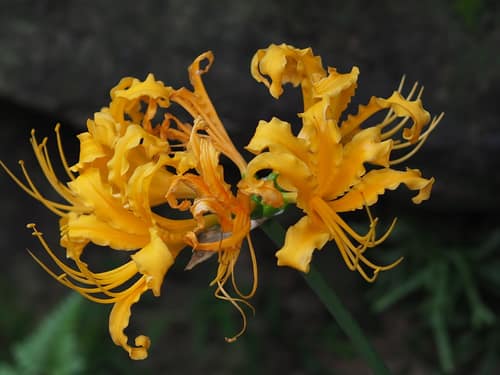
Close Relative no rights reserved, uploaded by 葉子 · cc0
Help improve the field guideSomething wrong?
Checking your Fauna account…Report a name, category, or profile issue for review.