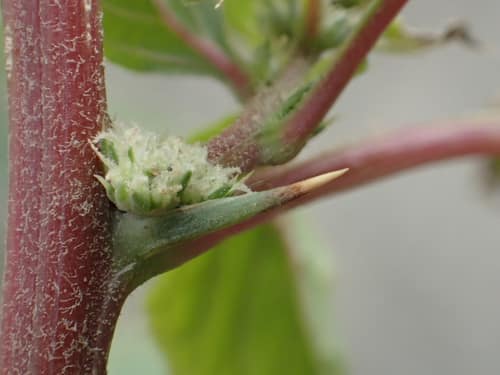
Also known as Tumble Pigweed, White Pigweed, Common Tumbleweed, White Amaranth
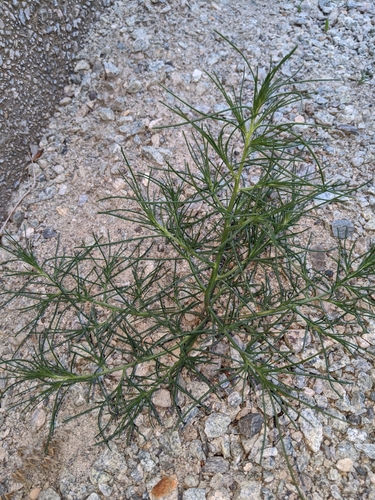
Prostrate pigweed forms dense, pale green mounds that break off at the base when mature, rolling across open ground in wind gusts to scatter thousands of glossy black seeds. Its stiff, branched stems and small spiny bracts protect tiny greenish flowers that crowd the leaf axils throughout late summer. Thriving in disturbed soils, this opportunistic pioneer plant colonizes croplands, roadsides, and waste areas across multiple continents.
Can accumulate hazardous levels of nitrates and oxalates; toxic to grazing livestock and pets if ingested in quantity.
Why it is dangerous
Accumulates nitrates and soluble oxalates from over-fertilized soils, which can cause kidney damage and respiratory distress in livestock and domestic pets.
How to recognize a risky encounter
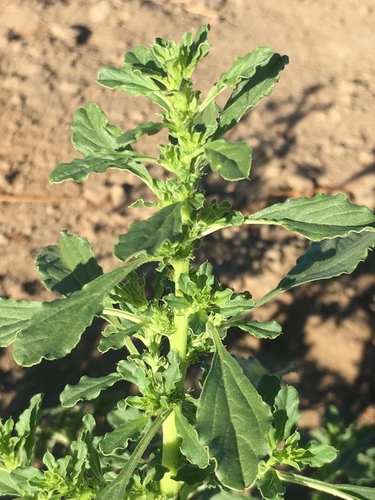
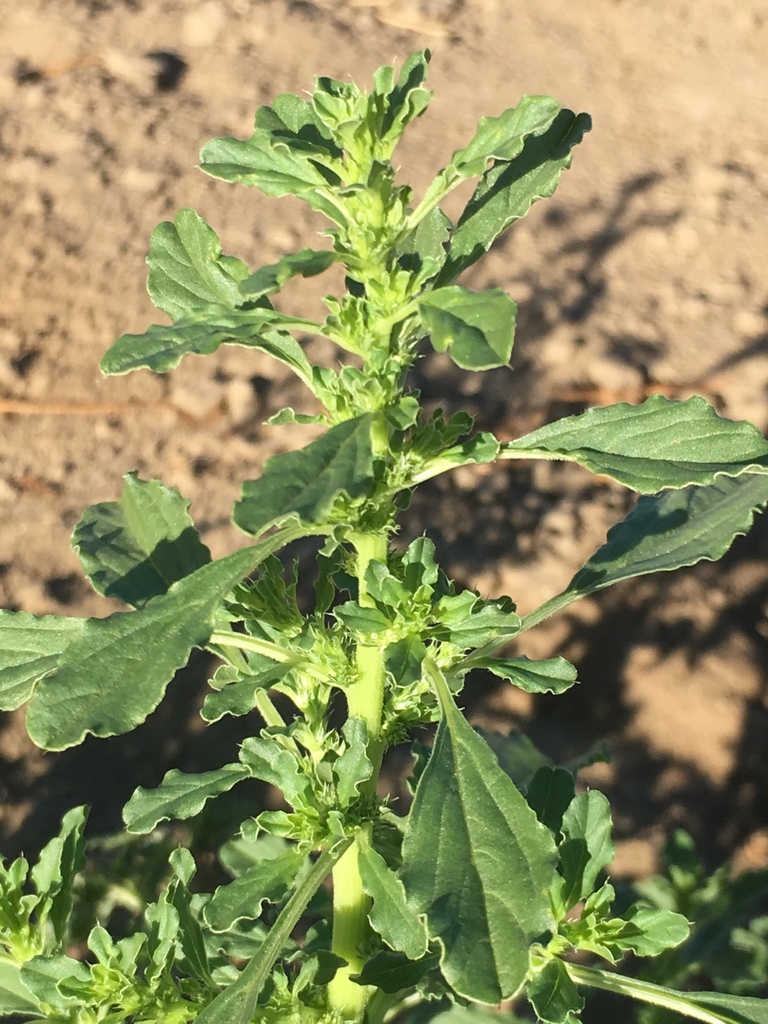
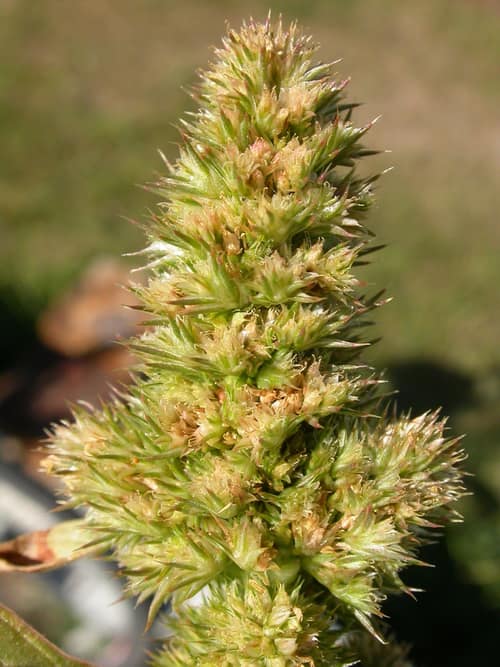
Distinguished by pale, branched, tumbling stems and small rigid bracts clustered where leaves join the stem.
What to do
Prevent horses, cattle, and household pets from grazing on dense patches in disturbed pasture margins.
Responsible observation
Identification: Look for whitish or pale green stems with spiny floral bracts in the leaf axils.
Handling: Wear gardening gloves to avoid painful prods from the stiff, pointed bracts when weeding.