
Plant · GBIF taxon 7903057
Field Mustard
Brassica rapaAlso known as Turnip Rape, Bird's Rape, Wild Turnip, Keblock
Field mustard lights up disturbed fields, roadsides, and agricultural lands with bright cross-shaped yellow blossoms atop leafy, branching stems. As the wild ancestor to turnips, bok choy, and napa cabbage, this highly adaptable Eurasian plant has spread across temperate zones worldwide. Its early spring blooms provide a critical, abundant nectar source for emerging bees and other early season pollinators.
Yellow FlowersWild AncestorAnnual
 1 / 7
1 / 7—observations
—countries
—peak records
Least ConcernConservation statusIUCN Red List categoriesLCNTVUENCREWEXLeast ConcernRed List categories, explained →
Diet & prey
- Autotrophic (Photosynthesis)
Predators
- Cabbage White Butterfly Caterpillars
- Flea Beetles
- Aphids
ThreatsHerbicides, Agricultural Tilling
HabitatsFields, Roadsides, Disturbed Soil, Agricultural Land
Life span1–2 years (Annual or Biennial)
Size / weightNot available
Classification
- OrderBrassicales
- FamilyBrassicaceae
- GenusBrassica
- SpeciesBrassica rapa
Range data is not available yet.
Interaction riskLow
- Low
- Moderate
- High
- Very high
- Why interaction risk is low
- Safe to observe at a normal distance.
Responsible observation
- Spotting Flowers: Look for small, four-petaled bright yellow flowers arranged in dense terminal clusters from early spring into summer.
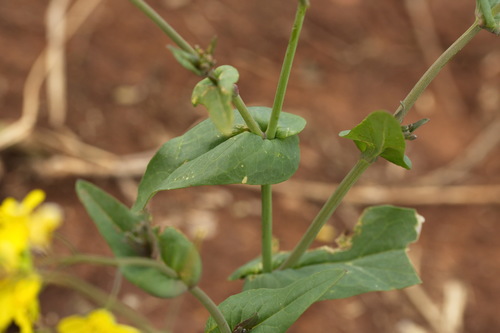
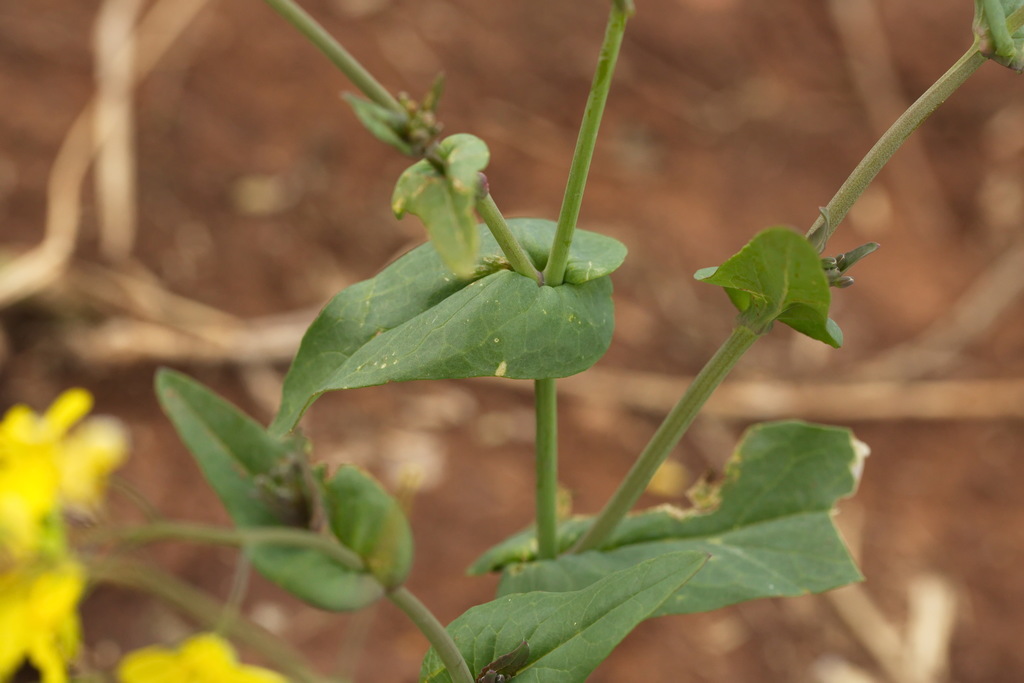
- Examining Foliage: Check the upper leaves, which clasp directly around the main stem without stalks.
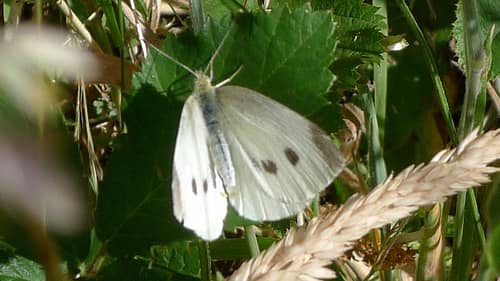
Herbivore John Tann from Sydney, Australia / CC BY 2.0 · cc-by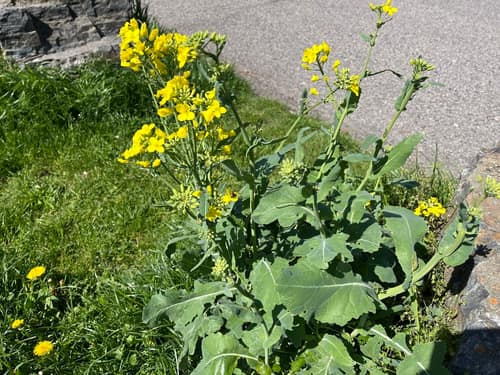
Agricultural Hybrid (c) Pavel Kacl, some rights reserved (CC BY), uploaded by Pavel Kacl · cc-by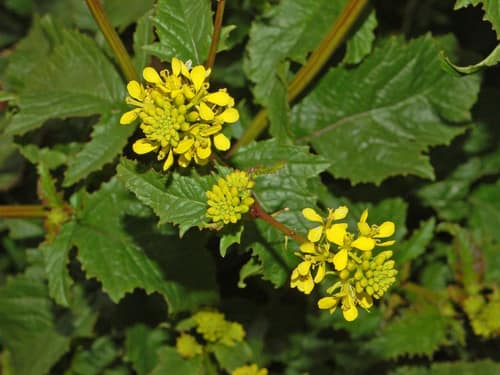
Close Relative Hectonichus / CC BY-SA 3.0 · cc-by-sa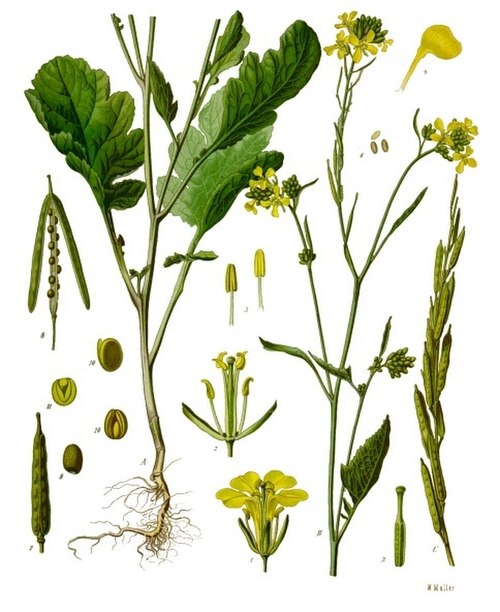
Close Relative Walther Otto Müller / Public domain · cc0
Help improve the field guideSomething wrong?
Checking your Fauna account…Report a name, category, or profile issue for review.