
Reptile
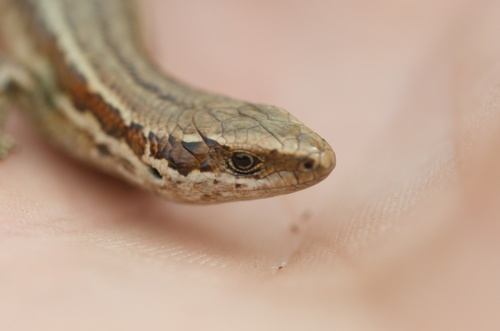
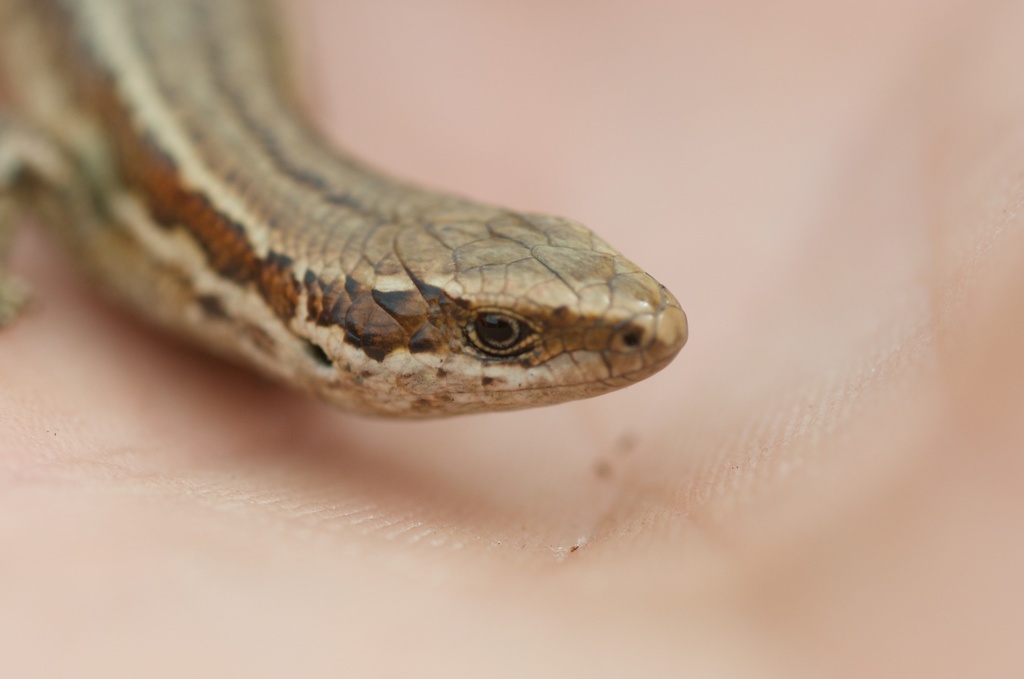
New Zealand Grass Skink
Oligosoma polychromaAlso known as Common Skink, Northern Grass Skink
New Zealand grass skinks are diurnal, sun-loving lizards that spend cool mornings basking on rocks, driftwood, or tussock edges to raise their body temperature before foraging. Rather than laying eggs, females give birth to live young during late summer, producing litters of up to six fully formed juveniles. They play an essential dual role in local ecosystems as both voracious insect predators and seed dispersers for low-growing native berries.
DiurnalSun-BaskingNative
—observations
—countries
—peak records
Least ConcernConservation statusIUCN Red List categoriesLCNTVUENCREWEXLeast ConcernRed List categories, explained →
Diet & preyJumping Spiders, Ground Beetles, Blowflies
Predators
- Feral Cat
- Sacred Kingfisher
- Norway Rat
ThreatsPredation by introduced mammals like feral cats, rodents, and mustelids
HabitatsTussock grasslands, coastal scrub, rock piles, sand dunes, and suburban gardens
Life span10–20 years
Classification
- FamilyScincidae
- SpeciesOligosoma polychroma
Range data is not available yet.
Interaction riskLow
- Low
- Moderate
- High
- Very high
- Why interaction risk is low
- Safe to observe at a normal distance.
Responsible observation
- Look during mid-morning: Scan flat stones, concrete paths, and corrugated iron where individuals bask to warm up.
- Approach with care: Sudden movement or cast shadows quickly send them darting beneath dense tussock cover.
- Garden naturally: Leave piles of clean rocks, logs, or unraked leaf litter to provide refuge from wandering pets.
 Image unavailable
Same Genus 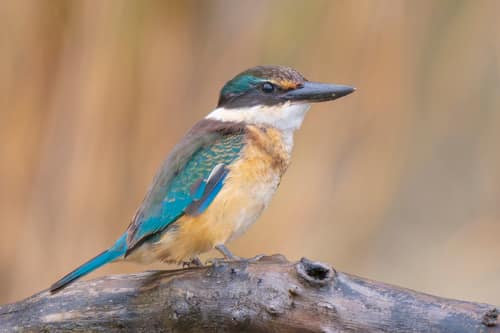
Predator (c) Saryu Mae 前 朝琉, some rights reserved (CC BY), uploaded by Saryu Mae 前 朝琉 · cc-byClose Relative Close Relative
Help improve the field guideSomething wrong?
Checking your Fauna account…Report a name, category, or profile issue for review.