
Mammal
Eurasian Straight-tusked Elephant
Palaeoloxodon antiquusAlso known as Straight-tusked Elephant, Ancient Elephant
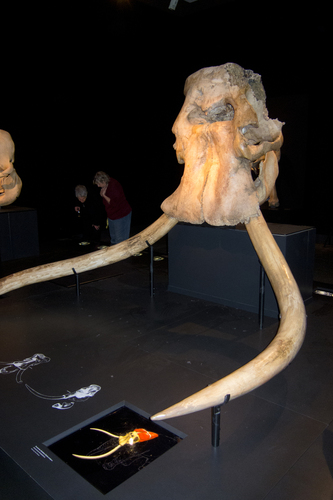
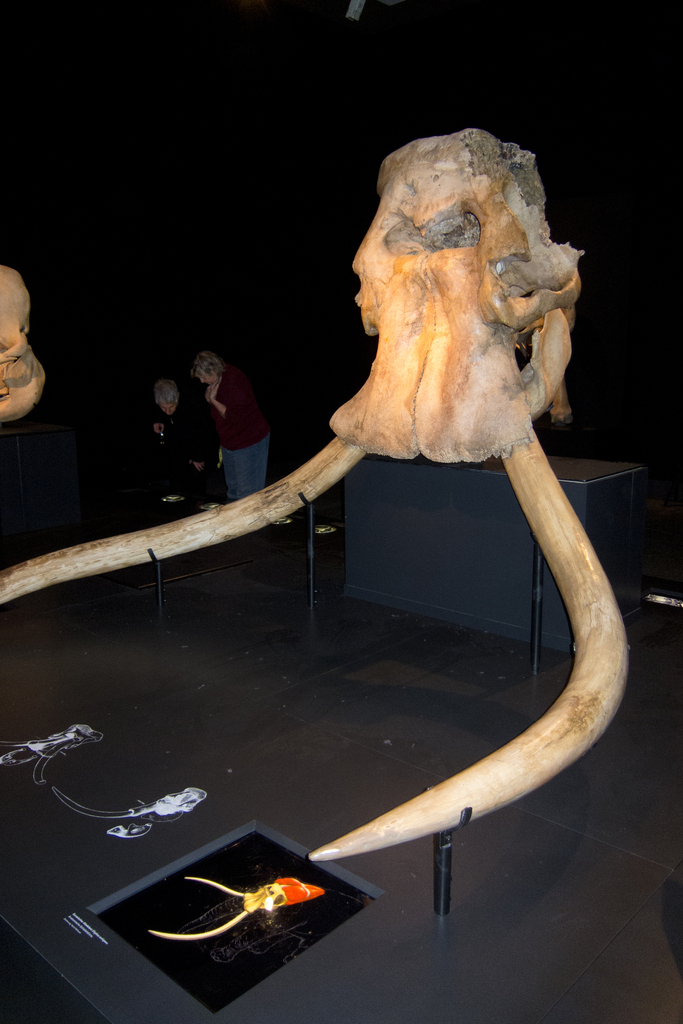
Eurasian straight-tusked elephants were colossal megaherbivores that shaped the Pleistocene woodlands of Europe and western Asia, using their enormous stature and long, gentle-curving tusks to break branches and strip bark. Family units consisted of matriarchs and young, while solitary bulls roamed broadly across warm interglacial landscapes. Archaeological evidence reveals that early hominins, including Neanderthals, systematically hunted and scavenged these massive creatures at lakeside margins and boggy valleys.
PrehistoricMegaherbivore
—observations
—countries
—peak records
ExtinctConservation statusIUCN Red List categoriesLCNTVUENCREWEXExtinctRed List categories, explained →
Diet & preyOak and Hazel Foliage, Tree Bark and Twigs, Temperate Grasses
Predators
- Neanderthal (Homo neanderthalensis)
- Heidelberg Human (Homo heidelbergensis)
- Cave Hyena (Crocuta crocuta spelaea)
ThreatsGlacial cooling cycles, loss of temperate woodland habitat, and human hunting pressure
HabitatsTemperate broadleaf forests, Mediterranean woodlands, and river valleys
Life span60–70 years
Classification
- FamilyElephantidae
- SpeciesPalaeoloxodon antiquus
Range data is not available yet.
Interaction riskLow
- Low
- Moderate
- High
- Very high
- Why interaction risk is low
- Extinct species known only from Pleistocene fossil remains.
Responsible observation
- Fossil Etiquette: Leave discovered bones or tusk fragments in situ and alert local paleontological authorities.
- Museum Viewing: Examine skeletal mounts at natural history museums to study their massive skull crests and tusks.
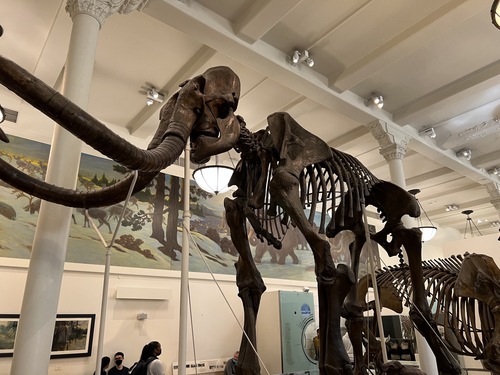
Competitor no rights reserved, uploaded by mionectes · cc0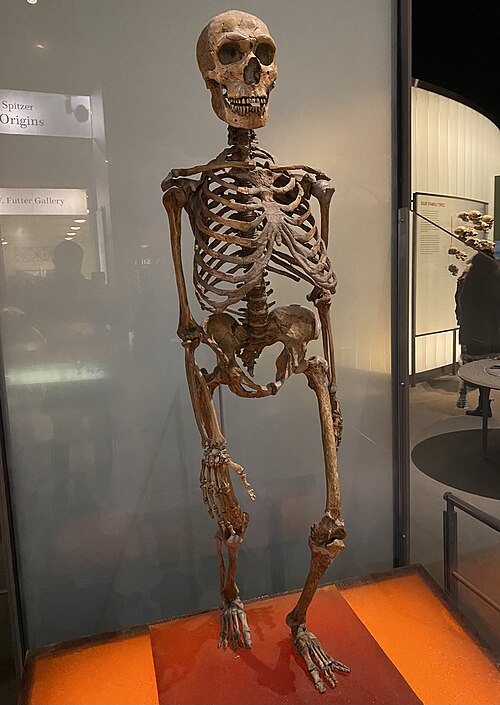
Predator Ryan Schwark / CC0 · cc0 Image unavailable
Competitor 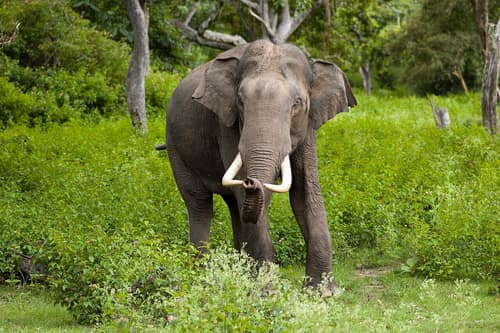
Close Relative Yathin S Krishnappa / CC BY-SA 3.0 · cc-by-sa
Help improve the field guideSomething wrong?
Checking your Fauna account…Report a name, category, or profile issue for review.