
Plant · GBIF taxon 7880979
Ceylon Olive
Elaeocarpus serratusAlso known as Veralu, Indian Olive, Wild Olive
Ceylon olive is an evergreen tree native to the Indian subcontinent and Sri Lanka, recognized by its glossy, serrated leaves and delicate, fringed white flowers. As the foliage ages, individual leaves turn a brilliant crimson red before dropping, creating a vivid contrast against the dark green canopy. The smooth, green oval fruits ripen in late summer and are actively consumed and dispersed by native forest wildlife like palm civets.
TropicalFruit BearingEvergreen
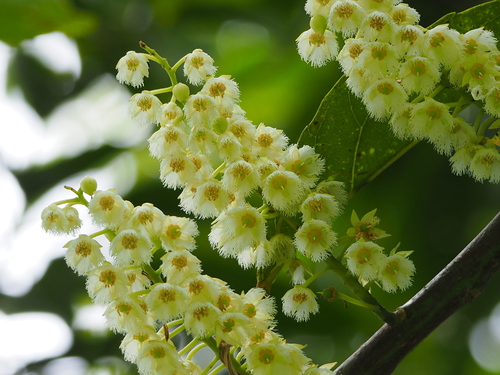
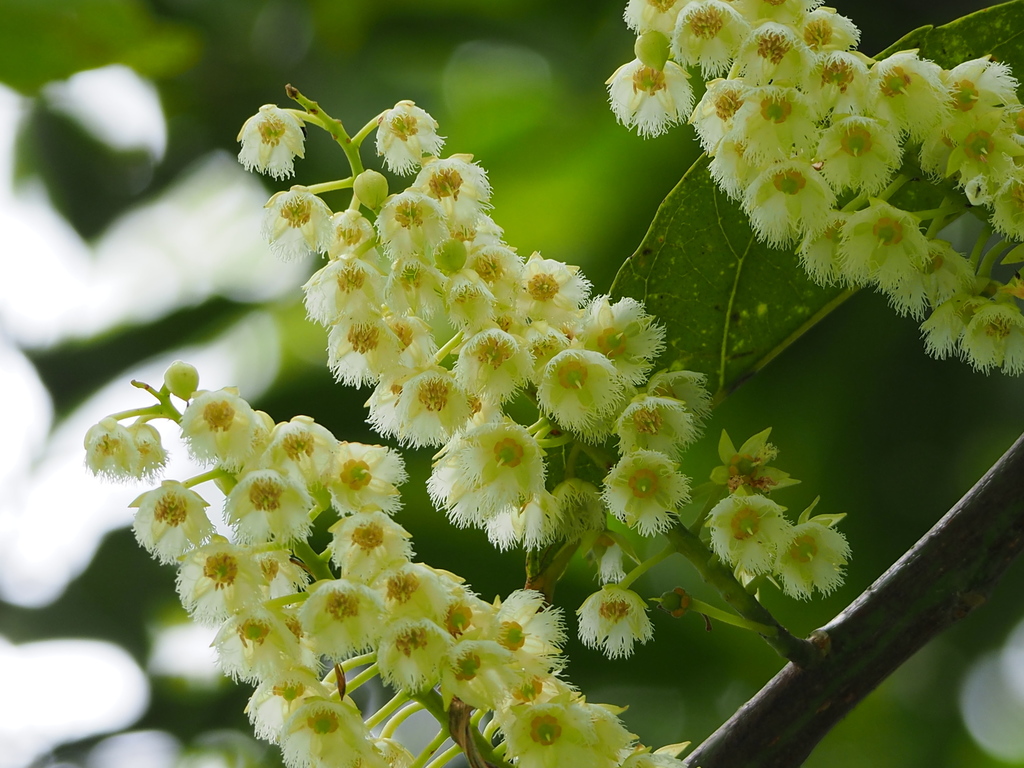
—observations
—countries
—peak records
Least ConcernConservation statusIUCN Red List categoriesLCNTVUENCREWEXLeast ConcernRed List categories, explained →
Diet & prey
- Autotrophic (Photosynthetic)
Predators
Not available
ThreatsHabitat fragmentation, land clearance for agriculture
HabitatsTropical rainforests, moist deciduous forests, riverbanks
Life span50–100+ years
Size / weightNot available
Classification
- OrderOxalidales
- FamilyElaeocarpaceae
- GenusElaeocarpus
- SpeciesElaeocarpus serratus
Range data is not available yet.
Interaction riskLow
- Low
- Moderate
- High
- Very high
- Why interaction risk is low
- Wild fruits have toxic look-alikes; never eat wild produce based on app identification alone.
Responsible observation
- Observation: Look for bright red dying leaves scattered throughout the green canopy year-round.
- Flowers: Inspect the small white blooms in early summer to admire their frilly, laciniate petals.
- Habitat context: Search along tropical stream banks and moist hill forests for wild specimens.
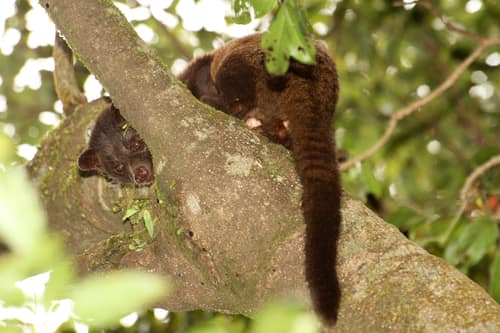
Seed Disperser (c) Davidvraju, some rights reserved (CC BY-SA) · cc-by-sa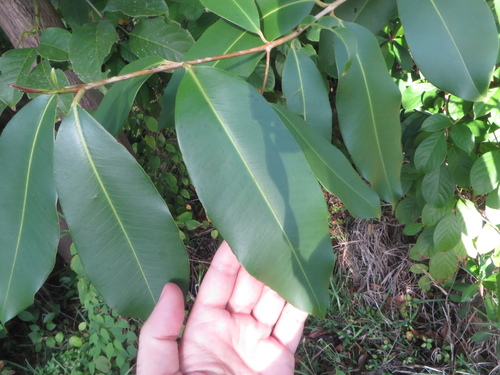
Forest Companion (c) Ben Machado, some rights reserved (CC BY) · cc-by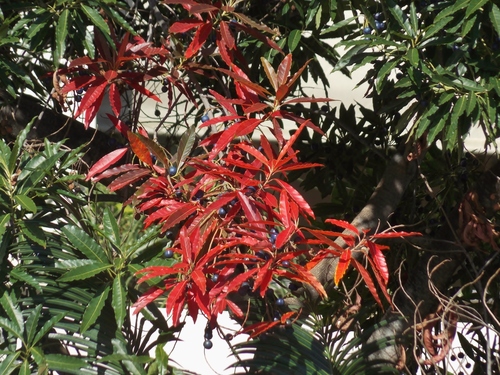
Close Relative (c) gérard, some rights reserved (CC BY-SA) · cc-by-sa
Help improve the field guideSomething wrong?
Checking your Fauna account…Report a name, category, or profile issue for review.