
Bird
White-plumed Honeyeater
Ptilotula penicillataAlso known as Greenie, Chickowee
White-plumed Honeyeaters are lively, vocal birds that fill Australian riverine woodlands and suburban gardens with their brisk 'chick-o-wee' calls. Living in loose social groups, they forage acrobatically among eucalyptus canopies for nectar, lerp, and insects, and fiercely chase away larger birds that intrude on their territory. Females weave delicate, cup-shaped nests of bark and spiderweb in outer tree foliage, where both parents feed the chicks.
DiurnalNectarivoreVocal
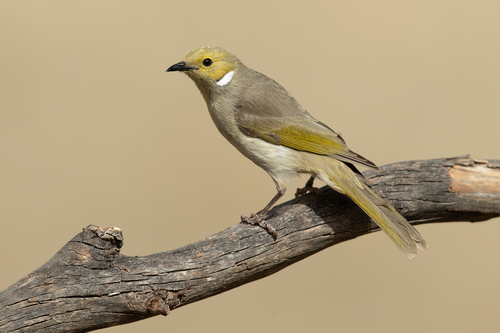
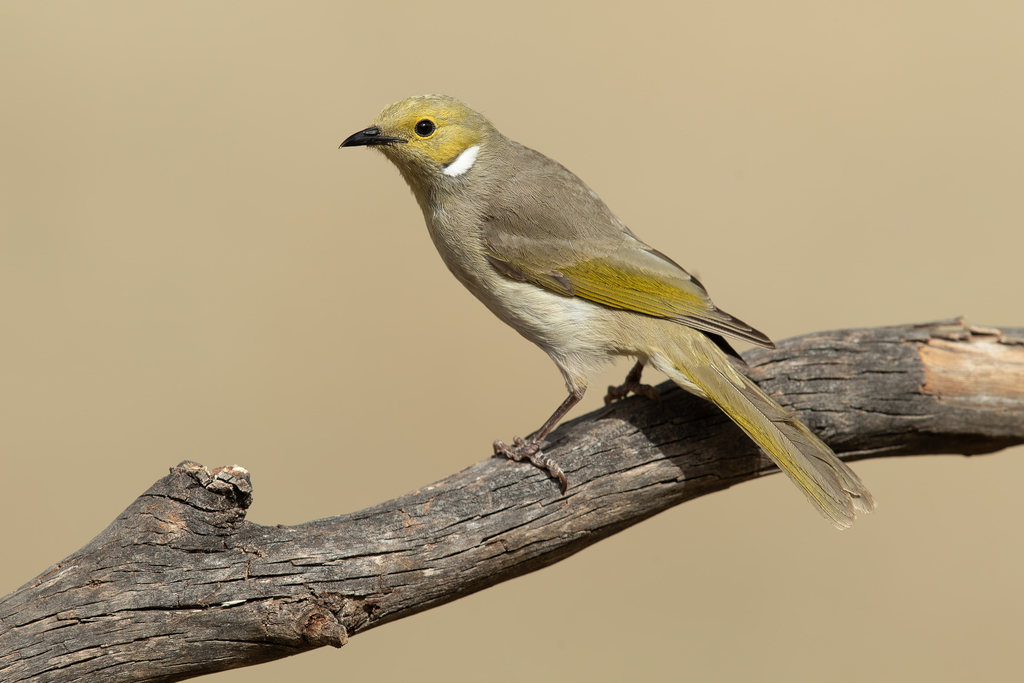
—observations
—countries
—peak records
Least ConcernConservation statusIUCN Red List categoriesLCNTVUENCREWEXLeast ConcernRed List categories, explained →
Diet & preyEucalyptus nectar, Small insects, Lerp
Predators
- Collared Sparrowhawk
- Pied Currawong
- Domestic Cat
ThreatsHabitat clearing, degradation of riparian corridors, and aggressive competition from Noisy Miners
HabitatsRiparian woodlands, River Red Gum forests, mallee, and vegetated suburban gardens
Life span5–8 years in the wild
Classification
- OrderPasseriformes
- FamilyMeliphagidae
- GenusPtilotula
- SpeciesPtilotula penicillata
Range data is not available yet.
Interaction riskLow
- Low
- Moderate
- High
- Very high
- Why interaction risk is low
- Safe to observe at a normal distance.
Responsible observation
- Listen for Calls: Follow their crisp 'chick-o-wee' whistle in leafy canopies.
- Check River Gums: Scan the upper foliage of eucalyptus trees near creeks and rivers.
- Plant Natives: Grow flowering grevilleas and eucalypts to attract them to gardens.
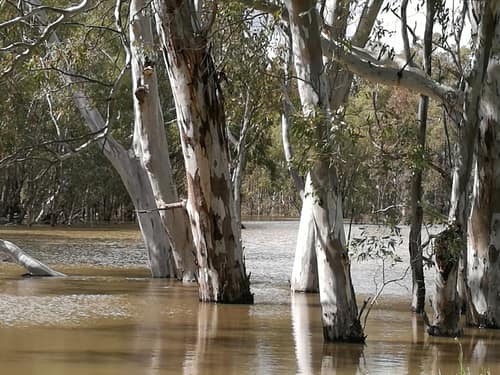
Host Plant (c) MargaretRDonald, some rights reserved (CC BY-SA) · cc-by-sa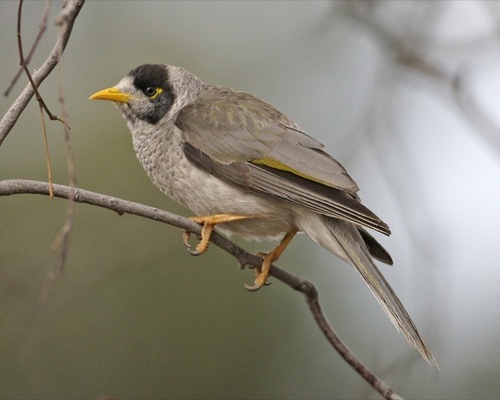
Competitor (c) Lip Kee Yap, some rights reserved (CC BY-SA) · cc-by-sa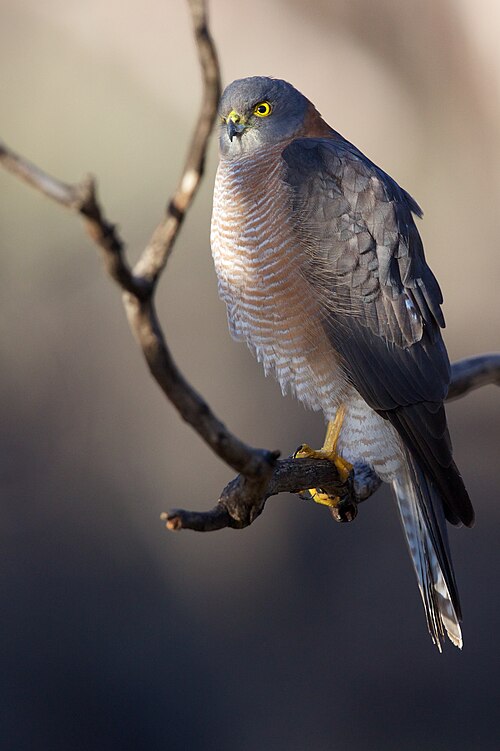
Predator sunphlo from South Australia / CC BY-SA 2.0 · cc-by-sa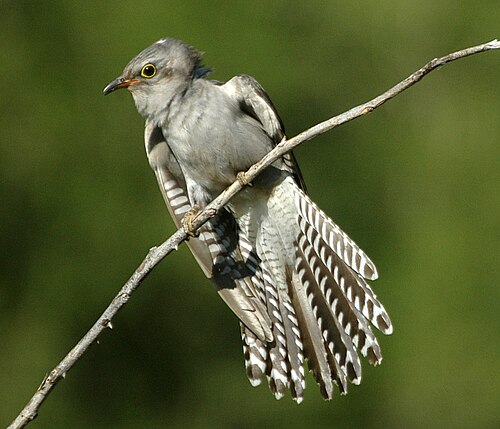
Brood Parasite Aviceda / CC BY-SA 3.0 · cc-by-sa Image unavailable
Close Relative 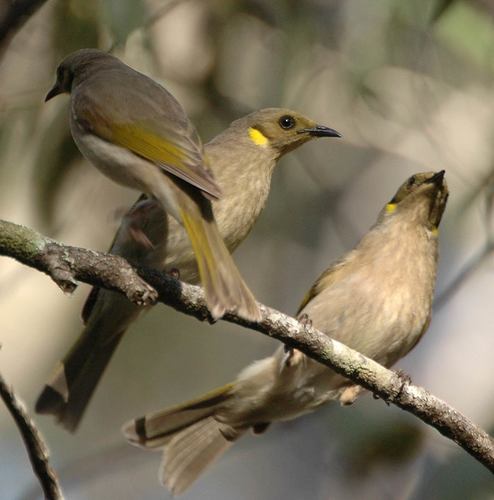
Close Relative (c) Aviceda, some rights reserved (CC BY-SA) · cc-by-sa
Help improve the field guideSomething wrong?
Checking your Fauna account…Report a name, category, or profile issue for review.